What Is Water Bottles Made Of

Let’s be honest—you probably grab a water bottle without thinking about what it’s made of. But here’s the secret: that little plastic or metal buddy in your hand is a tiny eng...
Let’s be honest—you probably grab a water bottle without thinking about what it’s made of. But here’s the secret: that little plastic or metal buddy in your hand is a tiny engineering marvel. And once you know what it’s made of, you’ll never see hydration the same way again. Ready to geek out? Let’s dive in.
The Plastic Family: Your Old Faithful
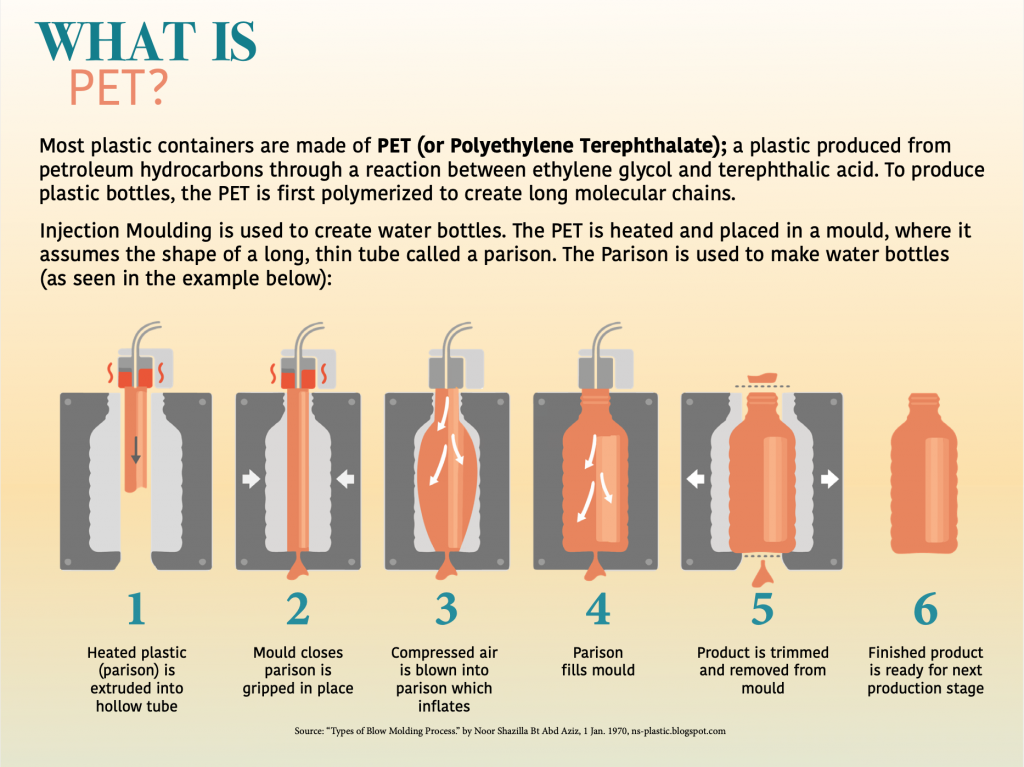
Most single-use bottles are made from PET (polyethylene terephthalate). It’s lightweight, shatterproof, and super recyclable—but it’s not meant for forever. Think of it like a paper plate: great for one picnic, not a lifetime.
Then there’s HDPE (high-density polyethylene), the tough stuff of milk jugs and some reusable bottles. It’s durable, chemical-resistant, and feels like a workhorse in disguise. Ever dropped a HDPE bottle? It bounces. No drama.
Must Read
And for the flexible squeeze bottles? That’s LDPE (low-density polyethylene). Perfect for a camp trip—it’s like the yoga pants of plastics: bendy, forgiving, and always ready for action. But hey, plastics aren’t the only players on the field.
Stainless Steel: The Cool Kid
Stainless steel bottles are the superstars of the hydration world. Most are made from 304 or 18/8 food-grade steel, which means they don’t rust, don’t leach weird chemicals, and keep your water tasting like… well, water. No weird plastic aftertaste—just pure refreshment.
Many also have a double-walled vacuum insulation layer. That’s the secret sauce: two layers of steel with a vacuum between them. It turns your bottle into a temperature time machine—ice cubes still intact after 12 hours. You can literally defy physics while sipping iced tea on a hot hike.
Plus, steel is incredibly durable. Drop it off a cliff? It’ll probably dent but keep going. It’s the Nokia 3310 of bottles—indestructible and a little bit smug about it.
 Plastic Water Bottles Manufacturing Process | How Plastic Water Bottles
Glass: The Transparent Classic
Glass bottles are made from soda-lime glass (sand, soda ash, and limestone) melted at crazy high temperatures. They’re pure, non-porous, and completely inert—meaning zero chemical reactions with your drink. It’s like a pristine crystal palace for your water.
The downside? Glass is heavy and explodes into a thousand tiny stars if dropped. But for flavor purists? It’s unmatched. Plus, it’s endlessly recyclable—like a magical material that gets reborn every time. Who knew a bottle could be poetic?
Aluminum: The Lightweight Flyer
Aluminum bottles are basically the featherweight champions. Made from—you guessed it—aluminum alloy, they’re super light and easy to carry. But here’s the twist: aluminum can affect taste (metallic, anyone?), so most are lined with a thin epoxy or polymer coating. That lining makes them safe and smooth.
They cool quickly, so pop them in the fridge for a fast chill. And they’re 100% recyclable—energy-efficient to boot. Think of them as the sporty, no-fuss sibling of the bottle family. Light, fast, and always ready for a sprint.
Silicone: The Squishy Newcomer
Yes, some bottles are made from silicone—a flexible, rubbery material that folds up like origami. It’s actually not plastic; it’s made from silica (sand) and oxygen. Safe, non-toxic, and impossibly bendy. Great for travel—you can squish it into a tiny ball when empty.
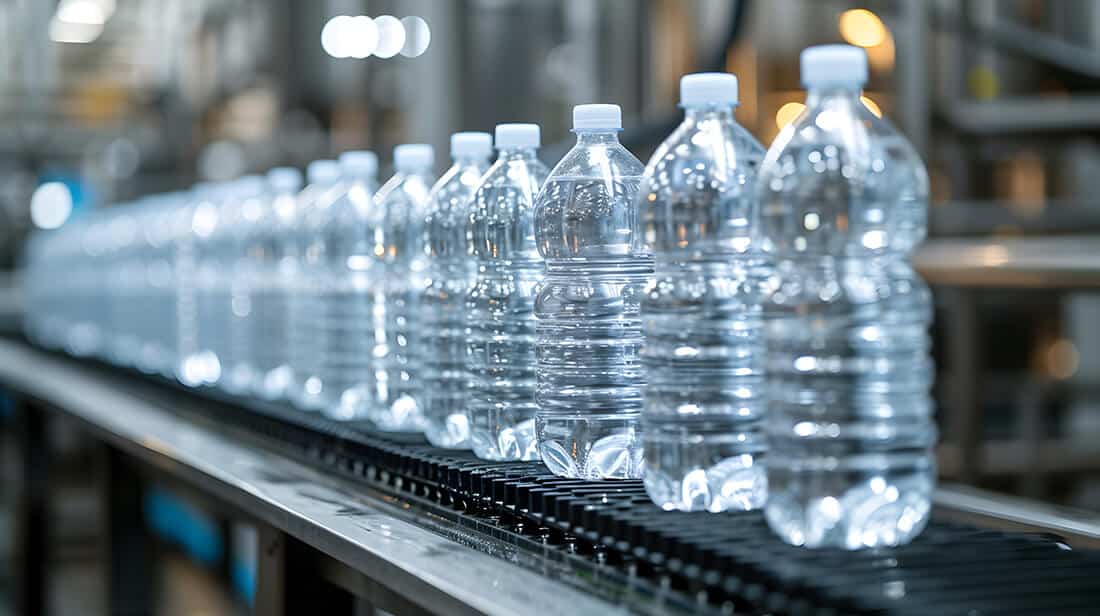 How Are Plastic Bottles Made? Plastic Expert
Silicone doesn’t crack, doesn’t leach, and feels like a friendly hug for your water. Okay, that’s a little weird to say, but you get the point: it’s the bottle that adapts to your life, not the other way around.
Why This Actually Makes Life More Fun
Here’s the best part: knowing what your bottle is made of lets you pick the perfect sidekick for every adventure. Heading to the gym? Grab a polycarbonate (a tougher plastic) or an aluminum one. Going for a hike? Stainless steel keeps your water ice-cold. Hosting a fancy dinner? A glass bottle looks like a designer vase on the table.
And when you understand the why—like why steel never smells, or why plastic can get funky after a year—you become a master of your own hydration destiny. No more guessing. No more ‘is this safe?’ anxiety. You just know.
So next time you unscrew that cap, take a second to appreciate the science and soul in your hands. Every material has a story, and you’re now part of it. Go ahead—raise a bottle to curiosity. Then take a sip. You’ve earned it.
And hey, maybe now you’ll start reading the bottom of bottles like a detective. Trust me—it’s oddly satisfying.
