How To Clean A Water Softener

Okay, let’s talk about a home hero that quietly works behind the scenes: your water softener. It’s the unsung champion fighting the good fight against crusty faucets and dry,...

Okay, let’s talk about a home hero that quietly works behind the scenes: your water softener. It’s the unsung champion fighting the good fight against crusty faucets and dry, unhappy skin. But even heroes need a spa day, right?
Have you ever given yours a proper clean? If the thought of scrubbing a machine makes you yawn, stick with me. Cleaning your water softener is surprisingly easy, and honestly, a little satisfying. Think of it like giving your washing machine a deep-conditioning treatment.
Why Bother? The Science of Slime
Your water softener is basically a magnetic hotel for minerals. Hard water flows in, sticky calcium and magnesium get trapped inside resin beads, and soft, happy water flows out. Over time, though, that mineral buildup teams up with bacteria to form a gross, pinkish-brown slime called biofilm.
Must Read
Imagine a hotel that never changes its sheets—eventually, the guests (minerals) leave a mess. This resin bed can get so coated that the softener stops working. You might notice your water feeling less silky, or your dishes showing spots again.
That little pile of salt in your brine tank isn’t magic. It needs your help. Cleaning keeps the resin beads spick-and-span, so your water stays luxuriously soft. Plus, a clean machine uses less salt—hello, saving money!
First Stop: The Resin Tank (The Main Event)
Most water softeners have two parts: a tall resin tank (where the magic happens) and a brine tank (where the salt lives). The resin tank rarely needs opening, but it does need a good chemical flush once a year. You don’t even have to empty it—just buy a resin cleaner (it looks like a giant bottle of thick bleach).
Pour the cleaner directly into the brine well—that’s the tube in the middle of the salt tank. Then, force your softener to run a manual regeneration cycle. The cleaner will circulate through the resin beads, blasting away years of grime like a power-washer for your pipes. Boom.
If you want to be extra thorough, you can do what I call the “snap test.” Scoop out a few resin beads from the top of the tank (use a clean turkey baster). Squeeze one between your fingers—if it crumbles, it’s exhausted. If it pops back, it’s healthy.
 How to Clean Your Water Softener: A Simple Weekend DIY Guide
Don’t Forget Your Brine Tank (The Salt Cave)
This is the part people ignore the most, and it gets weird. Over time, moisture and salt create a hard, concrete-like crust called a salt bridge. It looks like a giant salt marshmallow sitting on top of the water.
This bridge is a sabotage artist. It stops salt from touching the water, so your softener starves. To fix it, just break it apart with a broom handle—gently, so you don’t puncture the tank. Then scoop out any old, mushy salt at the bottom.
Every six months, do a full brine tank cleanse. Empty it completely (dump the water into a bucket or a drain). Scrub the inside walls with a mix of white vinegar and water. The vinegar smell will fade, but the clean shine is worth it.
The Cool Trick: Cleaning the Venturi Valve
Here’s the secret weapon: the Venturi valve (also called the injector). It’s a small, plastic piece on top of the control head that looks like a little spaceship nozzle. When this gets clogged with tiny grit, your softener can’t suck salt water properly.
Unplug the system, snap the valve off, and soak it in white vinegar for 20 minutes. You’ll see little black specks float off—that’s mineral junk. Rinse it, pop it back in, and suddenly your softener breathes again. Magic.
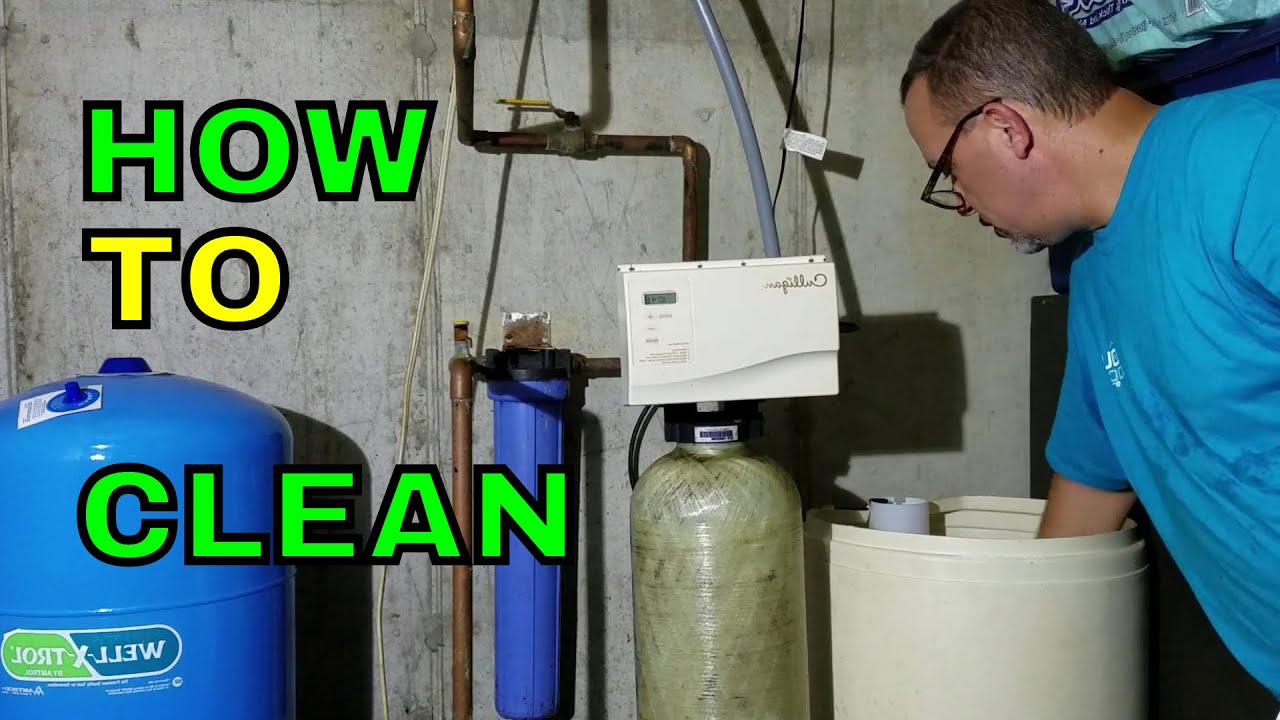 DIY Water Softener Maintenance Culligan - YouTube
If you haven’t done this in two years, I promise you’ll notice the difference. Your water pressure might even improve. It’s like unclogging a straw that was half-blocked with honey.
When to Call It Quits (A Few Reality Checks)
Not every system needs a deep clean. If your water is still soft and your salt looks powdery-fresh, just skip the annual flush. Overcleaning can actually wear out the resin faster—balance is key.
A good rule: clean your brine tank every spring (think of it as spring cleaning for your basement). Flush the resin every 18 months if you have really hard water. And always, always unplug the softener before you poke around inside.
Your water softener isn’t just a box in the corner—it’s a quiet guardian of your hair, your dishes, and your pipes. A little TLC every now and then keeps the soft waves flowing. And honestly, isn’t that worth 30 minutes and a bottle of vinegar?
So go ahead—grab a sponge, channel your inner plumber, and give your softener the scrub it deserves. Your future showers will thank you.
