How To Remove Mineral Buildup

Let’s be honest: nobody wakes up thinking about mineral buildup. It’s not exactly thrilling dinner conversation, right? But if you’ve ever lifted a cloudy glass from the dishw...

Let’s be honest: nobody wakes up thinking about mineral buildup. It’s not exactly thrilling dinner conversation, right? But if you’ve ever lifted a cloudy glass from the dishwasher or cursed a weak showerhead, you’ve already met the culprit. That chalky, white crust is just tiny bits of calcium and magnesium making themselves at home in your space.
It’s like the houseguest who never leaves, but instead of eating your snacks, it clogs your faucets. I noticed it first on my favorite coffee mug—a stubborn ring that no amount of scrubbing could budge. That’s when I realized: this stuff is sneaky and persistent.
So, why should you care? Because mineral buildup doesn’t just look bad; it slowly steals the performance from your appliances and fixtures. Your coffee maker takes longer, your dishwasher leaves spots, and your shower feels like a drizzle. It’s a silent energy drain—and a total mood killer in an otherwise clean home.
Must Read
The Secret Weapon is Already in Your Pantry
You don’t need fancy chemicals or a hazmat suit. The easiest way to fight mineral buildup is with plain old white vinegar. It’s cheap, safe, and smells like a salad dressing convention—but it works like magic.
Here’s the science-y bit (in simple terms): vinegar is acidic, and those mineral deposits are alkaline. When they meet, they fizz and dissolve into nothingness. It’s like a tiny, satisfying chemistry experiment in your sink.
For that coffee mug or glassware, just soak them in undiluted white vinegar for an hour. Then, wipe them with a soft cloth. The buildup will slide right off like butter, no elbow grease required.
Save Your Shower from the White Monster
Your showerhead is probably the hardest working fixture in your home, and it deserves a spa day. That crusty ring around the nozzles is just condensed minerals blocking the flow.
Grab a plastic bag, fill it halfway with white vinegar, and tie it around the showerhead using a rubber band. Let it soak overnight. In the morning, remove the bag, run the water for a few seconds, and watch the pressure roar back to life.
I did this last month and felt like I’d upgraded to a luxury rain shower. For under a dollar in vinegar, I got a five-star experience. Your water bill will thank you too, since you won’t be running it as long to rinse off soap.
Bring Your Coffee Maker Back to Glory
Nothing ruins a morning brew like a slow drip that tastes faintly of sadness. If your coffee maker is acting sluggish, mineral buildup is likely gumming up the inside pipes.
 How To Remove Mineral Buildup On Faucets at Carolyn Ring blog
Fill the reservoir with equal parts water and white vinegar. Run a full brew cycle, then let it sit for 30 minutes. Run two more cycles with plain water to rinse out the taste.
Your next cup will taste clean and fresh, like the first sip of a Saturday morning. Plus, you’ll save money by not needing a new machine every year. It’s a simple routine—do it every month, and your coffee maker will outlive your patience.
What About Stubborn Spots on Dishes?
That cloudy film on your glassware is another classic mineral buildup moment. It happens when hard water dries without being wiped, leaving a ghostly residue.
Instead of rewashing everything, try this trick: add a cup of white vinegar to your dishwasher’s bottom rack before running a hot cycle. The vinegar mixes with the steam and helps dissolve the film while it cleans.
If you have a glass baking dish with a white haze, soak it in equal parts water and vinegar for 15 minutes. A gentle scrub with baking soda will finish the job, leaving it sparkly like new. Your grandma’s casserole dish deserves that kind of respect.
When Vinegar Isn’t Your Best Friend
Fair warning: vinegar is acidic, so it’s not ideal for every surface. Avoid using it on natural stone countertops like marble or granite, as it can etch the finish. Also, don’t pour it on electronic gadgets or rubber seals.
For those delicate surfaces, try lemon juice instead—it’s gentler but still effective. Or, use a commercial descaler designed for hard water. Just read the label, because some are surprisingly strong and need gloves.
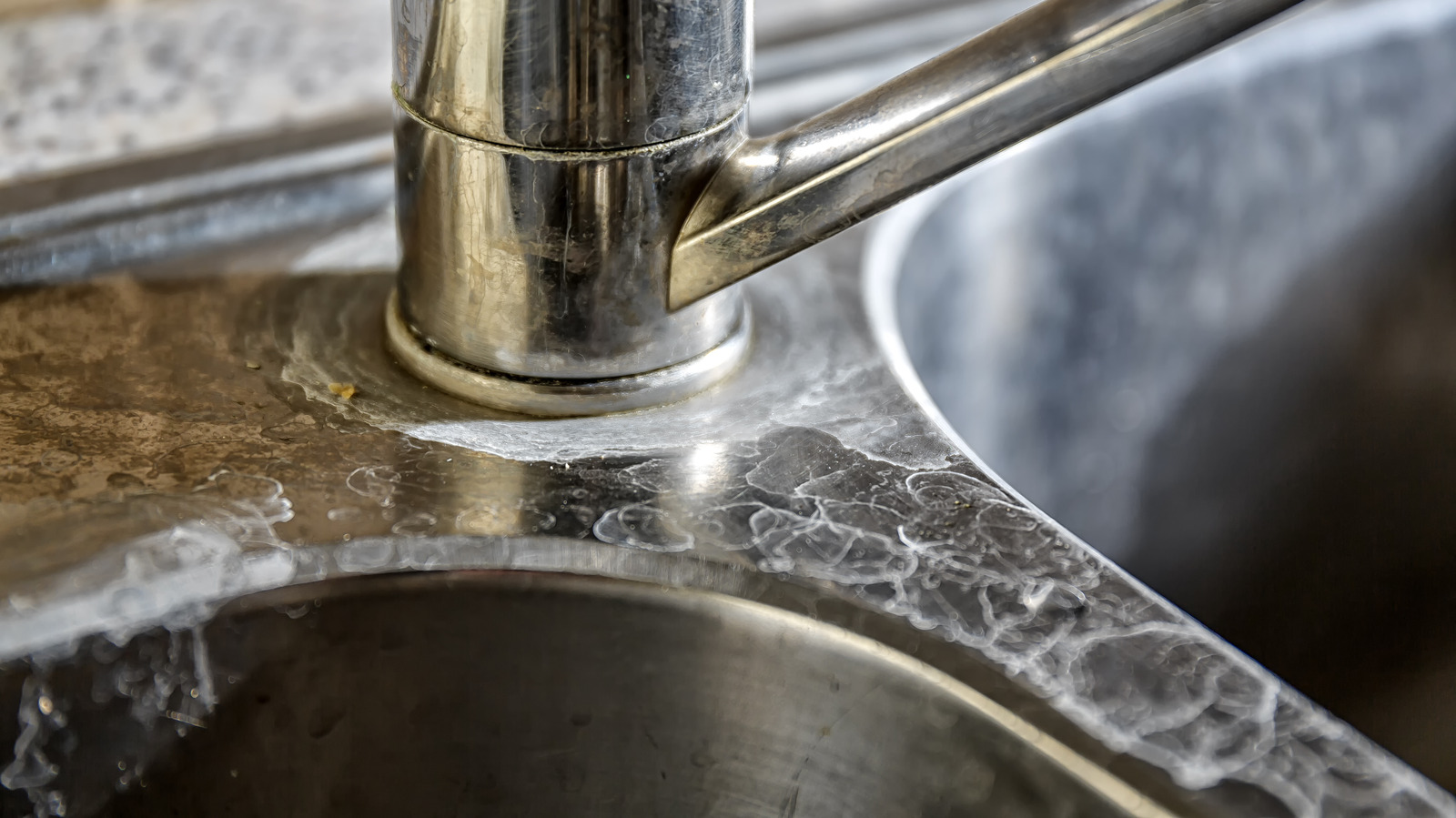 How To Get Rid Of Mineral Deposits In Sink at Eva Harpur blog
When in doubt, test a small corner first. You don’t want to trade a mineral stain for a permanent etching mark. Trust me, I learned that one the hard way with a vintage cutting board.
A Little Prevention Goes a Long Way
If you live in an area with hard water (most of us do), mineral buildup is a constant battle. But you can slow it down by wiping surfaces dry after use—especially sinks and shower doors.
Consider installing a water softener if your buildup is severe. It’s an investment, but it saves your pipes, your appliances, and your sanity. Your hair and skin will also feel silkier, like you’ve been on vacation.
For everyday habits, keep a spray bottle with half vinegar and half water under your sink. A quick spritz and wipe after washing dishes keeps the crust from forming. It’s like flossing for your faucets—not glamorous, but totally worth it.
The Warm Feeling of a Clean Home
Removing mineral buildup isn’t just about looks—it’s about making your home work better for you. A clear showerhead means faster showers, cleaner glasses mean prettier drinks, and a happy coffee maker means better mornings.
There’s something deeply satisfying about watching that chalky white residue dissolve. It’s like reclaiming a small piece of your home from the forces of nature. And you did it with vinegar, a bag, and a little patience.
So go ahead, give your faucets a spa treatment tonight. They’ve earned it, and honestly, so have you. After all, life’s too short for weak showers and cloudy coffee.
