How To Test Ph Level In Water

So, picture this: It’s a scorching Saturday afternoon, and I’m staring at my prized tomato plant. The leaves are turning yellow, and I’m convinced it’s a thirst crisis. I grab...
So, picture this: It’s a scorching Saturday afternoon, and I’m staring at my prized tomato plant. The leaves are turning yellow, and I’m convinced it’s a thirst crisis. I grab the garden hose, drench the soil, and wait. The leaves die anyway. A week and a half and a frantic Google search later, I learn the truth: my tap water was basically battery acid for tomatoes. My pH was off, and my plant was silently screaming. That’s when I realized that testing water isn’t just for chemists in lab coats—it’s for anyone who wants their fish to live, their coffee to taste right, or their garden to stop staging a protest.
But first—why should you care about pH?
pH is just a fancy scale that tells you if your water is acidic (like lemon juice) or basic (like baking soda). Pure water sits right at 7, which is neutral. If you’re drinking water that’s off-balance, it can taste metallic or flat. If you’re brewing coffee, the pH can change the flavor profile completely—so your morning cuppa might be a tragedy without you knowing it. And for fish tanks? A wrong pH is basically a slow-motion apocalypse for your finned friends.
The kicker? You don’t need a PhD to figure this out. You just need five minutes and one of three common methods. Let’s break them down, from “I’m a total newbie” to “I’m slightly obsessed with precision.”
Must Read
Method 1: The Good Old pH Test Strips (The “Lazy Genius” Option)
These are the little paper sticks you dip into the water. They change color, you match the color to a chart, and boom—you know your pH. I love these because they’re dead simple and cost about the same as a fancy sandwich. Just don’t confuse them with glucose test strips, unless you want to measure your water’s blood sugar. Dip, wait 15 seconds, compare. That’s it.
Pro tip: Get strips that cover a range from 4.5 to 9.0. Anything narrower and you might miss a reading if your water is weird. And always read the strip under natural daylight—kitchen fluorescents can trick your eye. You’ll look like a detective holding up a mug shot, but it works.
Method 2: Liquid Drop Kits (The “I Like a Little Drama” Method)
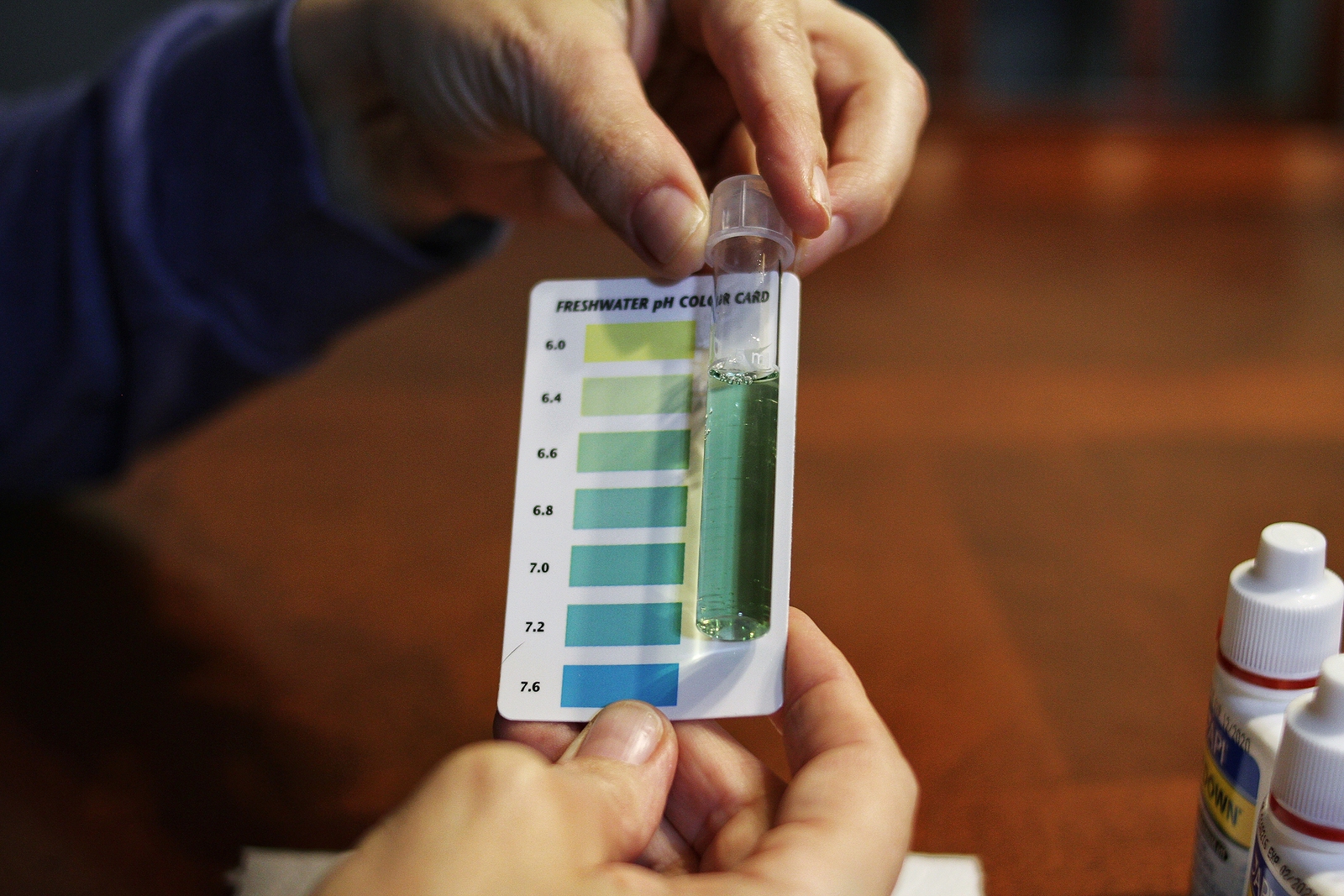
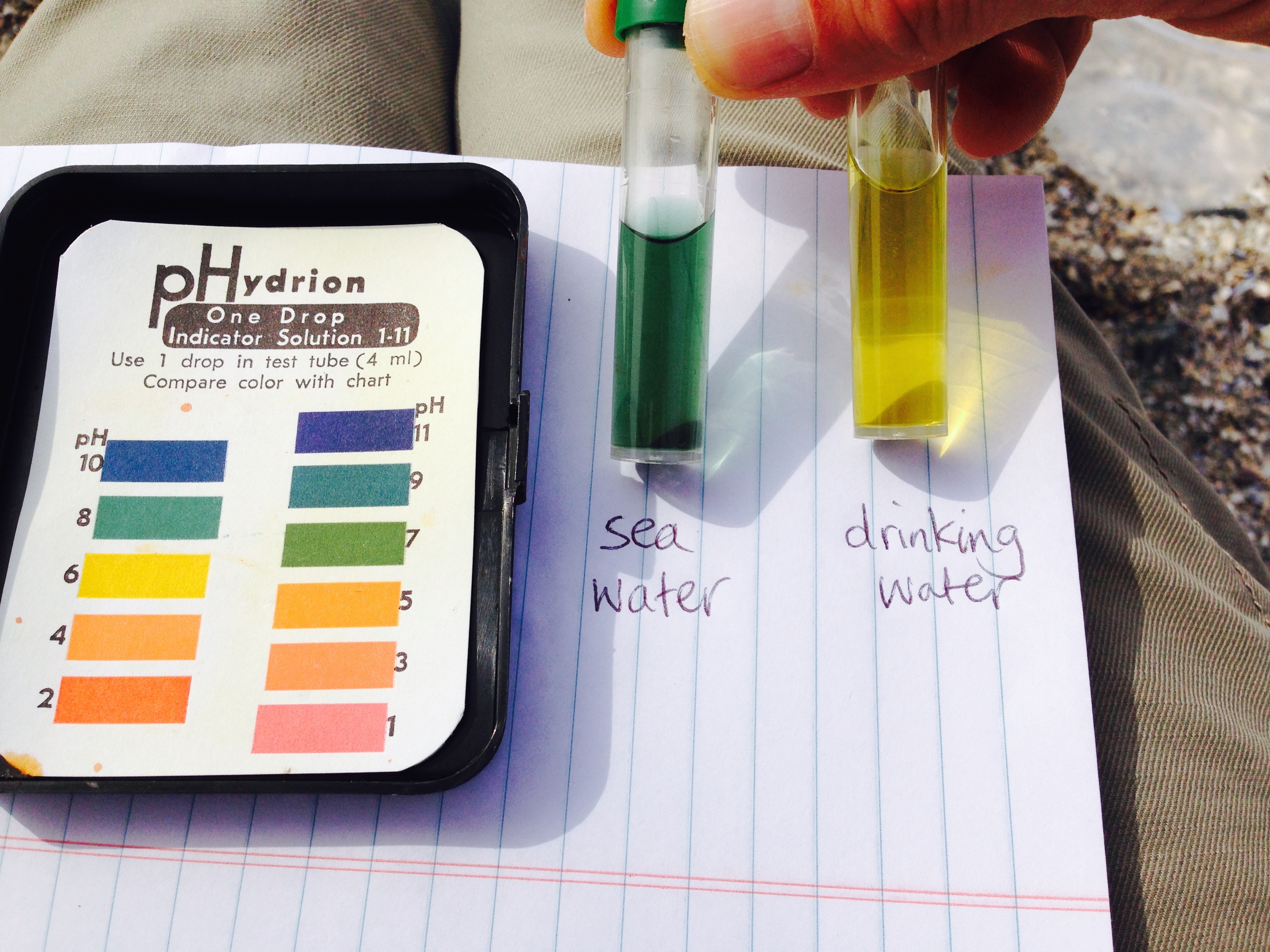
These are the science-fair experiments of pH testing. You take a vial of your water, add a few drops of a chemical reagent, shake it, and watch the liquid turn colors. It’s oddly satisfying—like a magic trick that also teaches you chemistry. These are generally more accurate than strips because the color change is usually clearer.
The downside? You have to keep track of tiny bottles and droppers. I once knocked mine into the sink and cried for twenty minutes. But if you’re testing fish tank water or home-brewed kombucha, this method is your best friend. Just be careful not to touch the reagent with your bare skin—it’s not poison, but it’s definitely not moisturizer.
 Water PH Science Experiment: Simple Science For Kids, 45% OFF
Method 3: Digital pH Meter (The “I’m Serious About This” Route)
This is the gadget that looks like a thermometer from a sci-fi movie. You stick the probe into the water, press a button, and it spits out a number. No color guessing, no graph paper, no tears. It’s the ultimate upgrade, but it comes with a rule: you have to calibrate it. That means soaking the tip in special buffer solutions (pH 4, pH 7, and pH 10) to make sure it’s not lying to you.
If you skip calibration, your meter might tell you your tap water is pH 3 (spicy!) when it’s actually pH 7. Always calibrate. Also, store the probe in storage solution—not tap water, not air, not your sock drawer. I learned this the hard way when my meter started reading my morning tea as pure bleach. The horror.
So, which method should you pick?
If you’re testing drinking water once a month: strips. They’re cheap, portable, and you can even use them for your fish tank in a pinch. If you’re a fish-keeper or a brewer: liquid drops. The extra accuracy saves you from dead fish or flat beer. If you’re a hardcore aquaponics nerd or a kombucha cult leader: digital meter. You’ll be taking pH readings like a pro, and you’ll annoy your friends with terms like “buffer capacity.”
Here’s a curveball: what about the water you already drank from your sink just now? If you’re on city water, it’s usually between 6.5 and 8.5. But if you’re on a well, your pH can swing wilder than a cat on caffeine. I once tested a friend’s well and got a pH of 5.2—that’s closer to lemonade. She’d been drinking it for years, and her teeth were basically eroding in slow motion. Test your water. For your teeth’s sake.
 Ph Test For Bottled Water at Jacqueline Sadler blog
One more thing: the secret rule nobody tells you.
Temperature matters. Cold water reads a little more acidic, hot water reads a little more alkaline. So if you test water straight from the fridge and then boiled water, you’ll get different numbers—and you’ll panic. Don’t panic. Just test your water at room temperature (let it sit for 10 minutes). And if you’re testing tap water, let it run for a few seconds first, because the water that’s been sitting in your pipes overnight can give a false reading.
Also, never trust a single test. Do two. Maybe three. If three strips give you the same color, you’ve got your answer. If they’re all over the place, you either have seriously weird water or you need new strips.
Final reality check: Testing pH is not a competition. You don’t win for having neutral water. You win for knowing what’s coming out of your faucet. So grab a strip, dip it, squint at the chart, and say “Aha!” like you’ve just discovered a secret. Because in a way, you have. Your water now has no secrets from you. And that, my friend, is a genuinely good feeling—especially when your tomato plants stop dying.
Now go test something. And if you get a reading that’s totally bananas, tell me. I’ll pretend to be surprised.
