Why Ph Of Water Is Important

Let’s be honest—most of us don’t think twice about the water coming out of our tap. We fill a glass, gulp it down, and move on with our day. But there’s a quiet, invisible sec...

Let’s be honest—most of us don’t think twice about the water coming out of our tap. We fill a glass, gulp it down, and move on with our day. But there’s a quiet, invisible secret hiding in every sip: the pH level. It’s not just chemistry-class jargon; it’s the unsung hero of your hydration game.
Think of pH as your water’s personality score. It measures how acidic or alkaline a liquid is on a scale from 0 to 14, with 7 being perfectly neutral. Your body loves a balanced pH, and the water you drink plays a surprisingly big role in keeping that equilibrium intact.
Why Should You Care?
Water that’s too acidic—think below pH 6.5—can taste metallic or sour. It might even leach tiny amounts of copper or lead from old pipes, and no one signed up for a heavy metal chaser with their morning hydration. On the flip side, highly alkaline water (above pH 8.5) can feel slippery and bitter, like the last sip of a flat soda.
Must Read
Your internal systems, from digestion to immune function, perform best when your body’s pH stays in a healthy range. While your kidneys are masters at regulating pH, drinking water that’s too extreme can throw a little extra work their way. It’s like asking a barista to make a latte with burnt beans—technically possible, but nobody enjoys the result.
The Sweet Spot: What’s the Ideal pH?
Most experts agree that the perfect drinking water pH sits between 6.5 and 8.5. That’s the official recommendation from the World Health Organization, and it covers everything from crisp mountain springs to your local municipal supply. Fun fact: natural spring water often clocks in around 6.8 to 7.2, which is almost eerily neutral.
Bottled water brands love to market alkaline water with a pH of 8 or 9, claiming it “neutralizes acidity” in your body. But here’s the real tea: your stomach acid has a pH of about 1.5 to 3.5, so that alkaline sip gets instantly neutralized the moment it hits your gut. It’s not harmful, but it’s not a miracle cure either.
In Japan, people have long valued kangen water—a slightly alkaline electrolyzed water—for its supposed health benefits. Whether or not the science fully backs the hype, the cultural reverence for pH balance is a beautiful reminder that water is more than just H₂O. It’s a daily ritual with quiet power.
Practical Tips for Everyday Hydration
Test your tap water. You can buy simple pH test strips at any pharmacy or online for under ten bucks. Dip one in your glass, and you’ll instantly know if your water is too acidic or too alkaline. It’s like a personality quiz for your faucet.
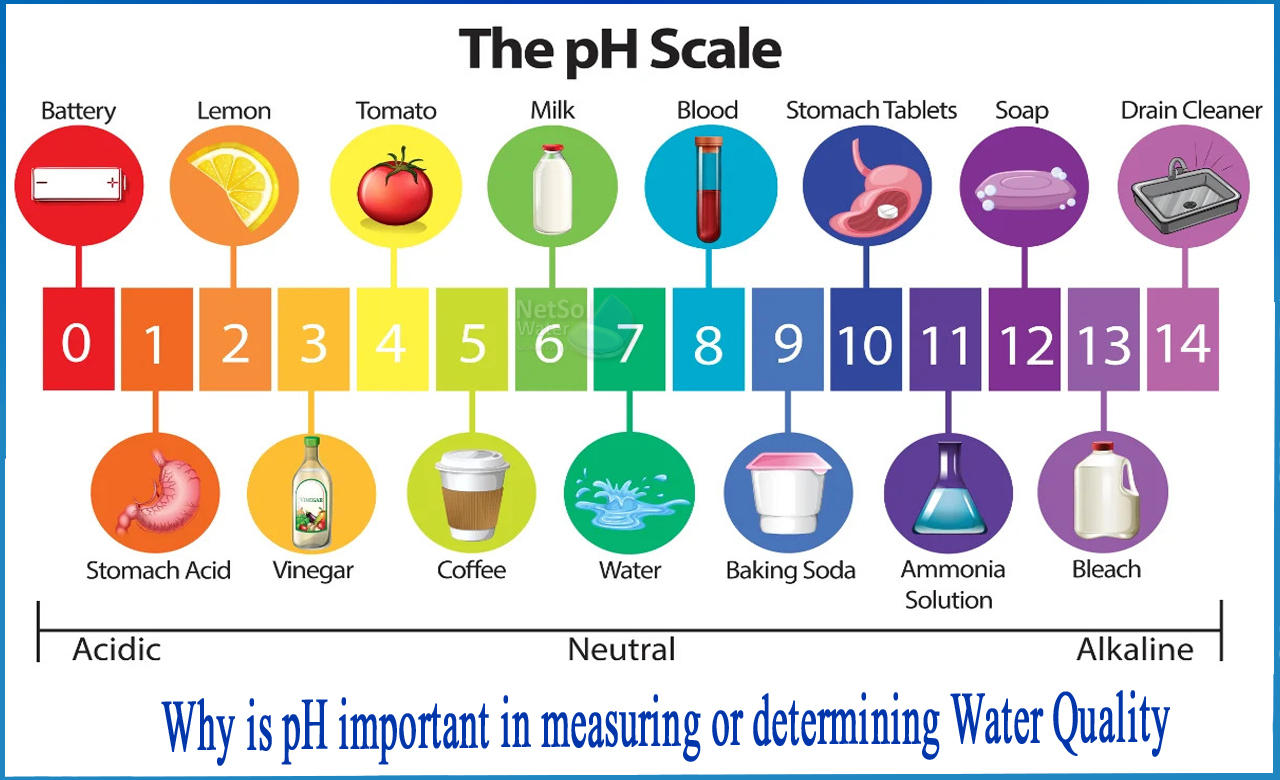 Why is pH important in measuring or determining water quality
If your water is too acidic (below 6.5), consider adding a pinch of baking soda to your glass. It’s an old-school trick that gently raises the pH without making it taste weird. Alternatively, a slice of lemon—yes, lemon—actually has an alkalizing effect once metabolized, despite being acidic itself. Nature loves a plot twist.
For those who find their water too alkaline (above 8.5), a simple charcoal filter or a dash of vinegar can help bring it closer to neutral. Just be careful not to overdo it; you’re aiming for balance, not a science experiment.
A Cultural Detour: H₂O Around the World
In Iceland, glacial water naturally hovers around pH 6.2, giving it a clean, crisp taste that’s celebrated worldwide. Meanwhile, in parts of northern Italy, mineral springs with a pH of 8.0 are used in spas and bottled for their “rejuvenating” qualities. Every region has its signature water fingerprint.
The ancient Greeks believed that water had its own spirit or nymph, and they built entire sanctuaries around sacred springs. While we don’t need to build a temple to your sink, there’s wisdom in treating your water with a little more intention. A simple pH check is a low-effort way to honor that tradition.
The Fun Fact File
Did you know that rainwater is naturally slightly acidic, with a pH around 5.6? That’s because carbon dioxide in the atmosphere dissolves into the droplets, forming weak carbonic acid. It’s why rain feels so soft on your skin—and why some gardeners use it for their acid-loving plants like blueberries.
 Quick Guide to pH in Drinking Water – Tap Score
Your own tap water likely varies by season. In summer, treatment plants sometimes adjust pH to prevent pipe corrosion, while winter runoff can change mineral content. So that glass you drank in July might not taste the same in December. Welcome to the ever-shifting world of liquid chemistry.
Here’s a wild one: pure distilled water has a pH of exactly 7, but it’s so pure it will actually steal carbon dioxide from the air, dropping to pH 5.5 within minutes. That’s why lab-grade distilled water tastes flat and lifeless—it’s craving some mineral company. Your body prefers water with a little personality.
Reflection: Pouring Intention Into Every Glass
At the end of the day, worrying endlessly about pH might feel like overthinking a simple act—drinking water. But paying attention to it is a small, quiet act of self-care. It’s the same impulse that makes you choose a seat with good light or fluff your pillow just so.
When you know your water’s pH, you’re not being a perfectionist. You’re having a conversation with the most basic element of life. And that conversation, even if it’s just a glimpse at a test strip, reminds you that small details matter. The water you drink shapes your cells, your energy, your morning. So let yours be the kind that supports you, not the kind that makes your pipes groan.
Tomorrow morning, fill your glass. Take a second to notice its taste, its temperature, its quiet presence. Maybe it’s perfect as is. Maybe it needs a pinch of something. Either way, you’re now part of the ancient, global, wonderfully nerdy tradition of people who truly know their water. Cheers to that.
