Why Do Fluids Help When Sick

You know the scene. Your throat feels like sandpaper, your head is a concrete block, and the couch has become your permanent residence. Someone, probably a well-meaning parent...

You know the scene. Your throat feels like sandpaper, your head is a concrete block, and the couch has become your permanent residence. Someone, probably a well-meaning parent or roommate, shoves a mug of hot tea into your hands and utters the age-old command: “Drink fluids.” They’re not wrong, but why does that steaming cup of ginger tea suddenly feel like a lifeline? It turns out, fluids are not just a nice idea when you’re under the weather—they are a biological non-negotiable.
Your body is a smart, if dramatic, machine. When a virus or bacteria invades, your immune system launches a full-scale military operation, which includes running a fever. That fever literally cooks the enemy, but it also dehydrates you faster than a desert wind. Every sip you take is like sending a water truck to the front lines, replenishing the troops and keeping the whole system from crashing.
Let’s get a little scientific, but keep it breezy. Your body is about 60% water, and when you’re sick, you lose that liquid gold through sweat, runny noses, and that charming activity called vomiting. If you don’t top up the tank, your blood gets thicker, your heart has to work harder, and your organs start sending passive-aggressive memos like “Please hydrate.” Think of it this way: you wouldn’t drive your car across the country without oil, so don’t run your immune system without fluids.
Must Read
The Mucus Factor: The Unsung Hero
Here’s a fun little fact that might make you squirm: mucus is your best friend right now. That thick, annoying gunk in your nose and chest is actually a sticky net that catches germs before they reach your lungs. But when you’re dehydrated, mucus turns into a concrete-like sludge that is impossible to cough out or blow out.
Water acts like a lubricant, thinning the mucus so it can actually do its job and then escape your body. This is why doctors always say “stay hydrated” when you’ve got a cold—they want your snot to flow, not to set up a permanent residence in your sinuses. Pro tip: a steamy shower works wonders for the same reason, turning that gunk into a liquid exit strategy.
Culturally, we have always known this. Think of the classic Jewish penicillin—chicken soup—that your grandma forces on you. It’s not just a placebo. The warm broth provides hydration, the electrolytes from the chicken and vegetables help with energy, and the steam clears your head. It’s a three-in-one wellness hack wrapped in comfort. Even the ancient Greeks used barley water for fevers; we’ve been chasing this wisdom for millennia.
What to Actually Drink (And What to Skip)
Not all fluids are created equal when you’re sick. Water is always a solid choice, but plain water can get boring fast. Herbal teas like chamomile or peppermint are excellent because they combine hydration with soothing properties and a little mental comfort. Hot water with honey and lemon is a classic for a reason: the honey coats your throat, the lemon provides vitamin C, and the heat feels like a hug.
 Drinking Fluids While Sick
If you’re dealing with an upset stomach, try electrolyte solutions like coconut water or a diluted sports drink. They replace the potassium and sodium you lose from sweating or trips to the bathroom. Fun fact: coconut water has more potassium than a banana, making it nature’s own Gatorade. Just avoid sugary sodas or massive glasses of orange juice, as the sugar can spike your blood sugar and actually make inflammation worse.
And for the love of all things cozy, stay away from alcohol and caffeine when you’re really sick. They are diuretics, which is a fancy way of saying they will pull water out of your body and send you straight to the bathroom. You want to keep fluids in, not race them out. A small cup of coffee is okay if you’re desperate, but aim for that ginger tea instead—your body will send you a thank-you note later.
Practical Tips for the Hydration Hustle
Drinking fluids when you feel like a zombie can be a chore. Trick your brain by making it feel like a treat. Freeze some cut-up fruit or mint leaves in ice cubes and drop them into your water; it adds a little pop of flavor and makes the glass feel luxurious. Reward yourself with a sip every time you check your phone or finish a chapter of your show.
Temperature is your secret weapon. Warm drinks are better for chills and sore throats because they increase blood flow to the tissues, promoting healing. Cold drinks, however, can numb a raw throat and bring down a feverish feeling. You can alternate—a mug of warm broth followed by a glass of cool water—to confuse your symptoms into submission.
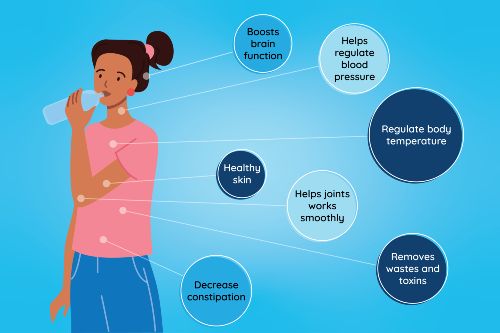 Drink Water, Georgia!
Set a timer on your phone to remind you to take a few sips every twenty minutes. It sounds silly, but when you’re delirious with Netflix brain, you’ll forget. Tracking your intake doesn’t have to be clinical; just aim for a full glass per hour while you’re awake. Your pee should be a pale lemonade color—if it’s dark, you’ve got homework to do.
The Reflective Sip
In our daily lives, we often treat hydration like a last-minute task—something we remember only when we’re headachy or tired. Being sick forces a kind of slow wisdom upon us. It asks us to sit still, to sip, and to listen to what our body is actually saying. That cup of tea isn’t just liquid; it’s a moment of care.
There’s a reason we associate soup and tea with being nurtured. When you are down, fluids become a gentle bridge back to normalcy. They are the simplest act of self-compassion, a way of saying, “I will take care of you until you can take care of yourself.” So next time you feel a tickle in your throat, don’t just reach for the medicine cabinet—reach for a glass of water, take a slow drink, and let your body do the hard work you’ve given it the fuel for.
Stay hydrated, stay human, and remember: sometimes the best medicine is just a warm mug and a quiet moment. You’ve got this—one sip at a time.
