Does Chlorine Help With Acne

So, picture this: I’m fifteen, standing in the locker room after swim practice, and my friend Jenna leans over, squinting at my chin. "Dude," she whispers, "your face is clear...
So, picture this: I’m fifteen, standing in the locker room after swim practice, and my friend Jenna leans over, squinting at my chin. "Dude," she whispers, "your face is clearing up." Was it? I looked in the cracked mirror. She was right. The angry red bumps that had migrated across my jawline that morning were… calmer. Less like a volcanic archipelago and more like a quiet hill range.
That was the summer I became obsessed with the question: Does chlorine actually help with acne? Or was Jenna just seeing things? It felt like a miracle, but I had to know if the pool was my personal dermatologist or just a very wet placebo.
The Chemical Truth: It’s Complicated
Let's get the science-y part out of the way, shall we? Yes, chlorine can kill the bacteria (Cutibacterium acnes) that live in your pores and cause inflammation. That’s the “good news” headline. Think of it as a shock treatment for your face, minus the actual shock.
Must Read
But here’s the ironic twist: Chlorine is also a powerful drying agent. It strips your skin of its natural protective oils. So while you’re nuking the bacteria, you're also inviting your skin to panic and produce more oil to compensate. Hello, rebound breakout. It’s like hiring a firefighter who sets a small fire in the garage just to keep busy.
So, does it “help”? Sometimes yes, sometimes no. It’s a gamble with your face as the casino chip. And we all know how that usually ends.
The Skin Barrier: Sacrificial Lamb
Your skin has a delicate pH balance—usually around 4.5 to 5.5, slightly acidic. Swimming pools? They’re kept between 7.2 and 7.8 (alkaline). That’s a whole different neighborhood. Dipping your face into alkaline water is like trying to bake a delicate soufflé in a blast furnace. It might work, but the odds aren’t in your favor.
When that protective barrier gets wrecked, your skin becomes vulnerable to irritation. Small pimples can turn into big, angry, red welts because your skin is now screaming “I’m under attack!” instead of "Let’s heal." You wanted clear skin, not a war zone.
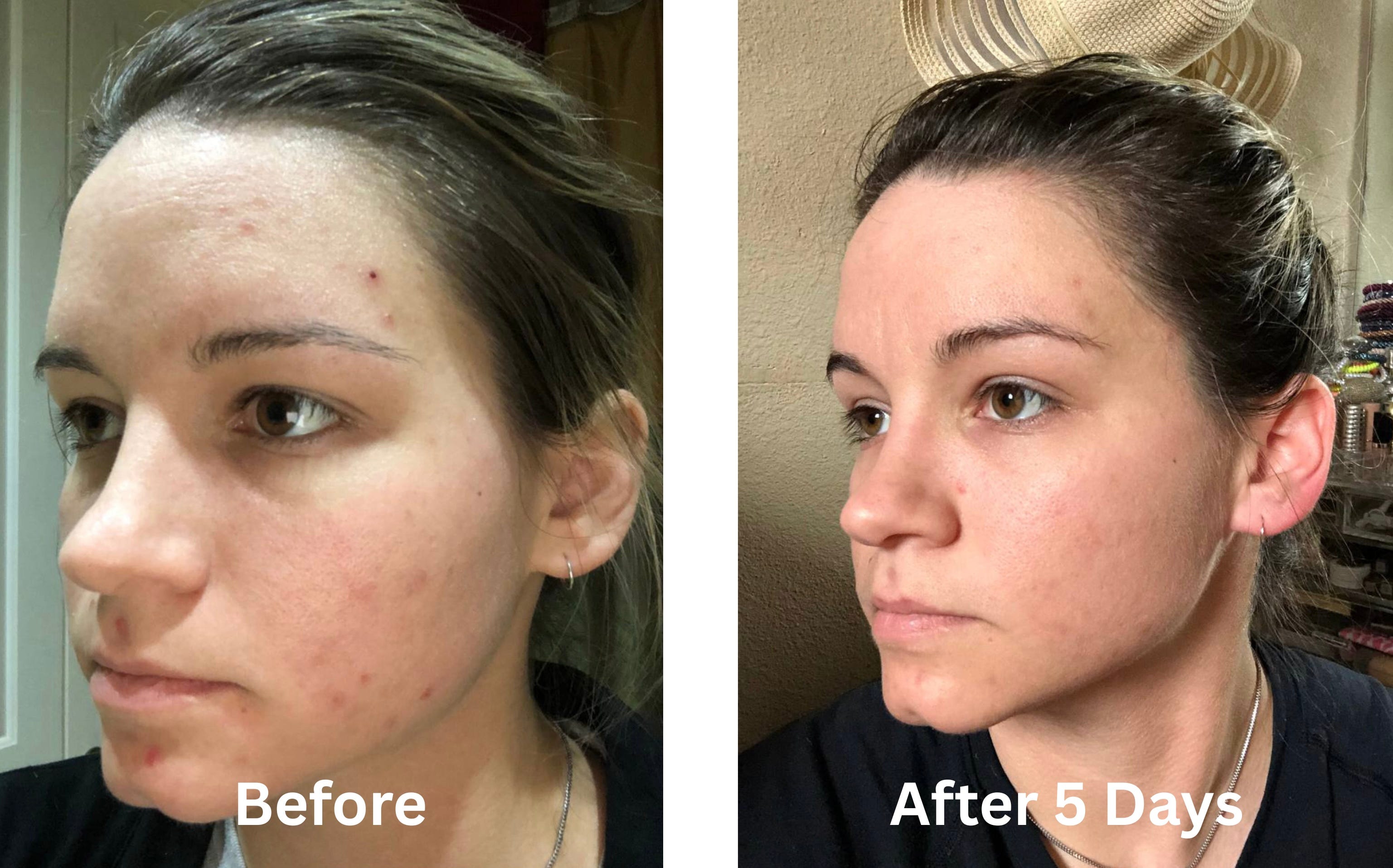 Cure Acne and Eliminate it's Cause With Chlorine Dioxide?
Also, let’s not forget the other pool chemicals—like chloramines and stabilizers. These are the toxic cocktail mixers of the swimming pool world. They can bind to your skin and cause contact dermatitis, which looks exactly like acne. Surprise! That "breakout" might just be a chemical burn in disguise. Nice trick, universe.
The Practical Pool Rules (If You Dare)
Okay, so you’re still going to swim. I get it. Pool season is sacred. Here’s how to play the game without losing your complexion. Rule number one: Shower before you get in. Wet your skin with clean water first. Why? Because dry skin is like a sponge for chlorine. Pre-soaked skin sponges less. Mind. Blown.
Rule number two: Apply a thick, protective barrier. Think of it as a shield. Slather on a thin layer of petroleum jelly or a rich, non-comedogenic moisturizer around your nose, chin, and jawline—the acne hotspots. It creates a physical barrier between your face and the chemical soup. You’ll look a little glossy, but trust me, your skin will thank you.
Rule number three: Rinse immediately after swimming. Don’t sit around in your wet swimsuit browsing Instagram. Get to the shower within five minutes. Use a gentle, sulfate-free cleanser to wash off the remaining chlorine. If you're at a public pool, bring a travel-size bottle. Your future zit-free self will high-five you.
When to Skip the Pool (Seriously)
If your acne is severe—we’re talking cystic, painful, the kind that makes you want to wear a bag over your head—chlorine is not your friend. It’s like pouring bleach on a paper cut. Ouch. For active, open breakouts, the irritation risk outweighs any bacterial benefit.
 Summer Skincare Secret: Does Chlorine Help Acne?
Also, if you’re on certain acne medications—like isotretinoin (Accutane) or topical retinoids (tretinoin)—your skin is already super-thin and sensitive. Chlorine will eat through it like a bulldog through a plush toy. One swim session can leave you with a chemical peel you didn’t ask for.
And if you have eczema, rosacea, or just generally cranky skin? Run. Don’t walk. Chlorine will turn your face into a spicy, red map of regret.
The Verdict: Helpful Hype or Harsh Truth?
So, back to teenage me in the locker room. Was the chlorine a miracle? Sort of, for a minute. It dried up my oily T-zone and nuked some surface bacteria. But after a few weeks, my skin got tight, then flaky, then greasy to compensate, and then—boom—a new crop of zits appeared. The pool had promised clarity and delivered a rebound. Classic bait-and-switch.
Here’s what I tell people now: Chlorine can be a temporary band-aid, but it’s not a cure. It’s a harsh chemical that might help in the short term if you’re careful, but it will absolutely wreck your skin barrier if you’re not. Would you scrub your face with bleach? No. So don’t treat the pool like a spa treatment.
If you want to swim, go for it. Use the rules above. But for actual acne control? Stick with a gentle routine, a proper dermatologist, and maybe a good concealer. The pool is for laps and laughs, not for skin therapy. Your face will love you for it. And hey, you can always just say you have "pool glow" and let people wonder.
