Does Boiling Water Filter It

So, you’re standing at the sink, kettle in hand, staring down a glass of tap water. You’ve heard the old campfire wisdom: just boil it, and you’re good to go. But does boiling...
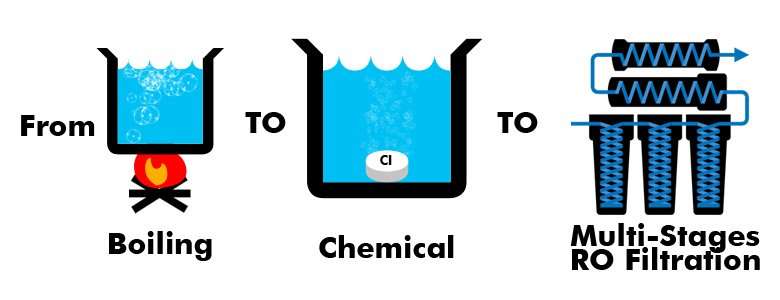
So, you’re standing at the sink, kettle in hand, staring down a glass of tap water. You’ve heard the old campfire wisdom: just boil it, and you’re good to go. But does boiling water really filter it, or is it just a myth we all bought on a hiking trip?
Let’s get cozy and untangle this. The short answer is: no, boiling does not filter water in the way you might think. But wait—don’t toss that kettle just yet. What it does do is way cooler than a simple filter, and we’re about to geek out on it.
The Boil vs. Filter Showdown
Picture a filter like a bouncer at a club. It checks every particle at the door—sand, dirt, chlorine—and says, “Nope, you’re not coming in.” Boiling, on the other hand, is more like a sauna session. It doesn’t kick things out; it zaps them.
Must Read
When you bring water to a rolling boil for one minute (or three at high altitudes), the heat kills most living nasties: bacteria, viruses, and protozoa. It’s a sterilization process, not a filtration one. Think of it as a tiny apocalypse for germs, leaving their dead bodies still floating around.
So, if your water is cloudy with mud, heavy metals, or chemicals like pesticides, boiling won’t magically make them vanish. Those particles are still there, chilling in your cup. Gross, right? But here’s where it gets interesting.
What Boiling Does Do (And Why It’s Awesome)
Boiling is a survival superhero for microbial threats. If you’re camping in the wilderness or facing a boil-water advisory after a storm, it’s your best friend. It turns risky, creek-straight water into something your gut can handle.
Ever notice that boiled water tastes a little flat? That’s because heat drives off dissolved gases like oxygen—the same ones that give fresh water its crisp zip. You can fix this by pouring it back and forth between two cups or letting it sit. It’s a tiny fix for a big flavor flop.
 Boiling vs Filtration: Comparing Water Purification Methods - Pick Comfort
Another neat trick? Boiling can soften hard water. If your tap water is crusty with calcium and magnesium, boiling causes some of those minerals to settle as white scale at the bottom. It’s not a full filter, but it’s a cheap way to reduce that chalky feel—like a mini spa treatment for your tea.
The “But Wait” Factor
Here’s a fun head-scratcher: boiling concentrates certain pollutants. If your water has lead or nitrates (common from old pipes or farm runoff), the steam carries off pure H₂O, leaving the bad stuff behind. You’re essentially brewing a stronger batch of toxins—yikes.
So, boiling isn’t a one-size-fits-all solution. For clear, biologically sketchy water? It’s a rock star. For murky, chemical-laced water? You’ll want a real filter—or better yet, a combo. That’s why survivalists carry both a filter straw and a metal pot. They’re a dream team, not rivals.
So, Should You Boil or Filter?
Think about your why. Are you worried about a stomach bug from a mountain stream? Boil it. Are you trying to remove chlorine taste from city water? A $20 charcoal pitcher wins. Boiling is for zapping life, not removing dirt.
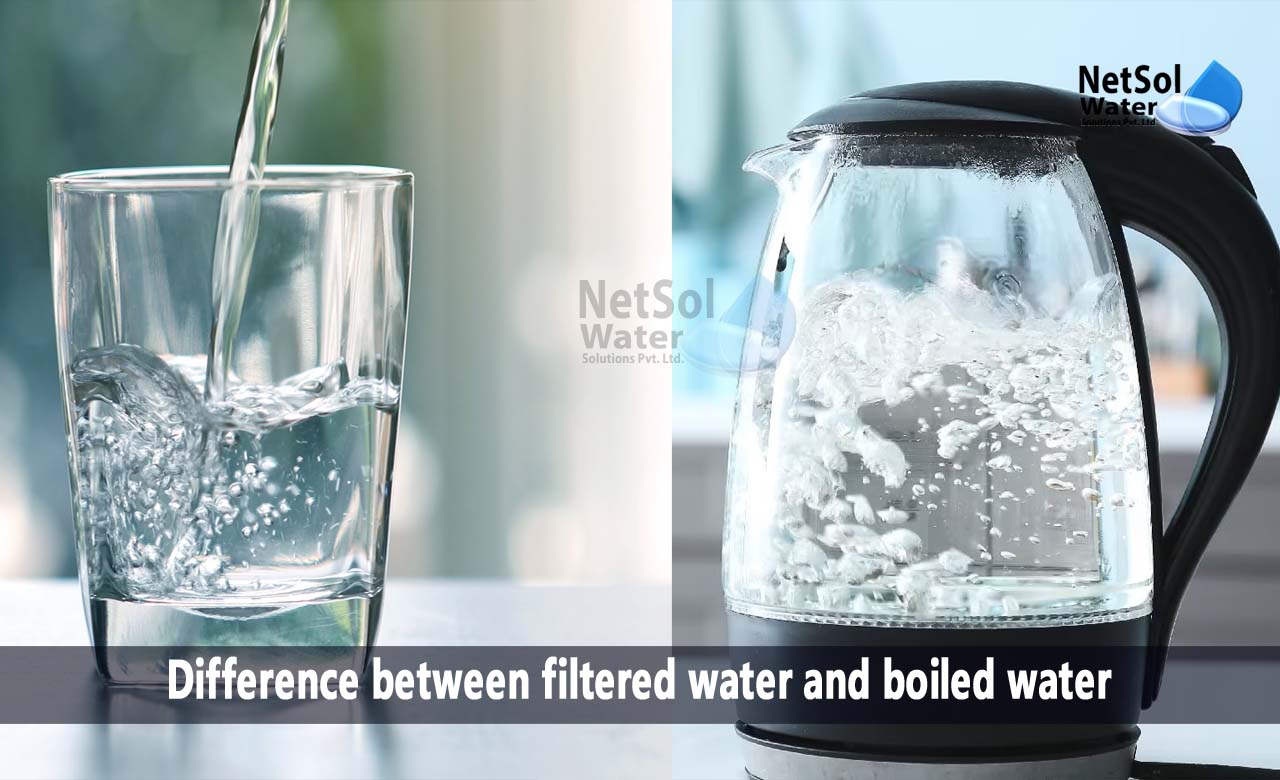 Boiled Water Vs Uv Treated Water – EKAGMA
What if you do both? Filter your water first to get rid of sediment and chemicals, then boil it for extra safety. Overkill? Maybe. But in a world of weird tap water, it’s like wearing a belt and suspenders—goofy but effective.
One more thing: boiling doesn’t remove microplastics. Those tiny specks are too stubborn for heat. You’d need a micron filter for that. Crazy, right? It’s 2024, and we’re still fighting invisible confetti in our drinks.
The Chill Conclusion
So, does boiling water filter it? Nope. But it does something arguably more essential: it makes water safe to drink by killing the living things that want to ruin your day. It’s a heat-powered bodyguard, not a janitor.
Next time you’re boiling pasta or making tea, give that bubbling pot a little nod. It’s doing the dirty work—literally—so you don’t have to worry about microscopic invaders. Just remember: for a truly clean sip, filter first, then boil. Or better yet, just buy a decent water bottle with a filter built in. Your future self will thank you.
And hey, if you ever find yourself in a survival situation, a pot and a fire are all you need. Boiling won’t make your water pretty, but it’ll keep you alive. That’s a pretty solid trade-off, right?
