What Does Reverse Osmosis Do

Imagine you’re a water molecule. You’re hanging out with some questionable friends. Salt, lead, and pesticide are crashing your party. Reverse osmosis (RO) is the bouncer who...

Imagine you’re a water molecule. You’re hanging out with some questionable friends. Salt, lead, and pesticide are crashing your party. Reverse osmosis (RO) is the bouncer who kicks them out. It’s not magic—it’s gloriously simple physics.
The Squeeze is Real
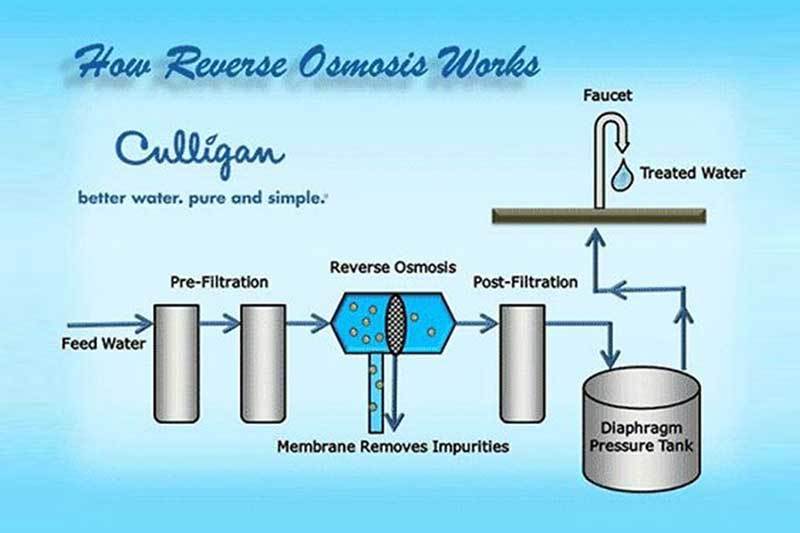
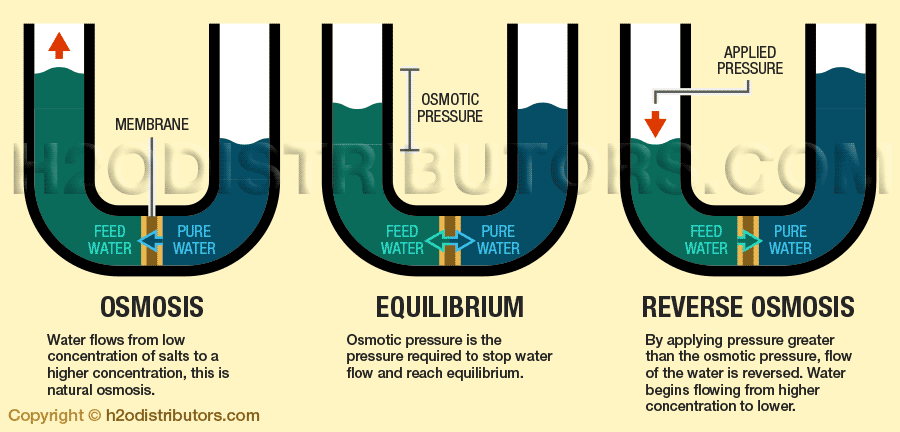
Picture a very picky strainer. A semi-permeable membrane is that strainer. It has holes so tiny that only water molecules can squeeze through. Everything else—minerals, germs, even your morning coffee’s bitter grudge—gets left behind.
But here’s the trick: water doesn’t naturally flow through this barrier. You need pressure. It’s like forcing your hand through a too-tight glove. The pressure pushes the “good” water through, leaving a concentrated sludge of the “gross” stuff behind.
Must Read
Your Tap Water’s Spa Day
Think of RO as a spa treatment for your tap water. It strips away the gunk. Chlorine taste? Gone. Hard water minerals? Bye-bye. That weird metallic tang from old pipes? Vanished.
What comes out is practically distilled. It’s so pure that some people call it “dead” water. That’s actually a good thing—it means your coffee maker won’t crust over with scale. Your tea will taste like tea, not limestone.
Quirky Fact: Fish Love It (But Hate It)
Saltwater fish use osmosis to drink. They actually absorb water through their gills! But put a freshwater fish in RO water, and it’ll puff up like a water balloon. The freshwater fish’s cells suck in the pure water until they burst. Nature is weird, right?
That’s why aquarists use RO water carefully. They remineralize it for their fancy tropical fish. Imagine having to add salt back to water you just desalted. Madness.
The Wasteful Secret
Here’s the ugly truth: RO systems are water hogs. For every gallon of pure water you get, 3 to 4 gallons go down the drain. That’s the “reject water” carrying all the bad stuff.
But wait—there’s a silver lining. You can catch that reject water for your garden. Your plants don’t mind the extra minerals. Just don’t drink it. It’s concentrated yuck.
 How Does A Water Filtration System Work
Funky Chemistry: It’s Not a Filter
Don’t call it a filter. That’s slander. A filter traps particles (like a net). RO uses diffusion and pressure to separate molecules. It’s more like a selective gatekeeper.
This gatekeeper can even stop viruses. Yes, viruses—those tiny beasts that slip through regular filters. RO says, “Not on my watch.”
The Celebrity Hype
You’ve seen RO water in fancy glass bottles at the gym. That stuff costs $4 a gallon. Meanwhile, the same water from your home unit costs pennies. But here’s a kicker: the “glacier water” you bought? It’s probably just RO water with a few minerals added back for taste. Marketing magic.
Why Your Hair Will Thank You
Hard water makes your hair look like straw. It’s the minerals coating each strand. Shower with RO water and your hair feels silky. Your soap lathers like a dream. You’ll feel like a shampoo commercial—without the dramatic head toss.
The Bizarre History
RO wasn’t invented for your kitchen. The U.S. government funded it in the 1950s to desalinate seawater. They wanted to make drinking water from the ocean. Today, cities like Singapore and San Diego use massive RO plants to survive droughts. Your countertop unit is a tiny, adorable version of that industrial beast.
Wait, Is It Safe to Drink?
Short answer: yes. Long answer: maybe too safe. RO strips out beneficial minerals like calcium and magnesium. Some health nuts argue you need those. But guess what? You get minerals from food, not water. A slice of cheese has more calcium than a swimming pool of tap water.
 How Does Reverse Osmosis Work? – H2O Distributors
If you’re worried, buy a remineralization filter. It adds a pinch of minerals back. Or just eat a banana. Easy.
The Quirky Downside: Taste
RO water tastes… flat. That’s because you’ve removed all the dissolved gases and minerals. It’s like eating bread without salt. Some people hate it. Others love the “clean” flavor. Try it with a squeeze of lemon. Suddenly, you’re a mixologist.
Fun DIY: Turn RO Water into Soda
Take RO water, add CO₂ gas, and you get carbonated water. The bubbles taste sharper because there’s no bitterness from minerals. That’s why fancy seltzer brands use RO. You can make your own for pennies. Fizz for days.
Should You Get One?
If your tap water tastes like a swimming pool, yes. If you have hard water stains on your dishes, absolutely. If you like geeking out about science, it’s a no-brainer.
But be warned: it’s a high-maintenance diva. You have to change filters every 6–12 months. The membrane lasts 2–3 years. And that waste water? It’s a constant trickle. But hey, perfect water demands sacrifices.
Final Weird Thought
Every drop of RO water you drink was once forced through a membrane at 60 psi. That’s like dropping a bowling ball on a dime. Your tap water took a beating so you don’t have to. Respect the pressure.
Go ahead. Pour yourself a glass of the purest, most bullied water on Earth. You’ve earned it.
