Why Does My Water Feel Slimy

You step out of the shower, expecting that fresh, clean feeling. Instead, your skin feels like it’s coated in a light, invisible film. You touch your hair, and it’s almost sli...

You step out of the shower, expecting that fresh, clean feeling. Instead, your skin feels like it’s coated in a light, invisible film. You touch your hair, and it’s almost slick.
Before you panic and blame your new conditioner, take a breath. The culprit is almost certainly your water, not your hygiene.
That slimy sensation is rarely about dirt. In fact, it’s usually a sign that your water is softer than what you’re used to.
Must Read
The Great Mineral Swap
Hard water is packed with calcium and magnesium. These minerals react with soap to create that familiar, squeaky-clean feel—and that nasty soap scum ring around the tub.
Soft water, on the other hand, has those minerals swapped for sodium or potassium ions. This means your soap lathers like a dream, but it doesn’t rinse off as easily.
That slippery film you feel is actually soap residue mixed with water and a touch of salt. It’s not slime; it’s a scientific hug from your water softener.
A Cultural Touch of Slippery
If you’ve ever traveled to Japan, you might remember an onsen (hot spring) experience. The water there is often naturally soft and high in minerals, leaving your skin feeling impossibly sleek.
Locals call it “beauty water,” and they don’t rinse off after the bath. They pat dry, believing the minerals are a natural moisturizer. So, maybe that slimy feeling is actually a compliment.
In Iceland, the geothermal water is so soft that locals joke they can’t get the soap off their hands. It’s a first-world problem with a very ancient solution.
Is It Safe? (Spoiler: Yes)
This is the big question, and the answer is a very reassuring yes. Water that feels slimy from softness is perfectly safe to drink and bathe in.
The primary health concern with water is usually bacteria or heavy metals, neither of which feels slimy. Sliminess from soft water is purely a sensory quirk, not a health hazard.
If you’re worried about the sodium content in your drinking water, a reverse osmosis filter on your kitchen tap can solve that. But for showering, that slippery touch is just softer, not slimy.
 Water Feels Slippery
Practical Tip: The Soap Hack
Your shampoo and body wash were likely formulated for hard water. Switch to a low-sudsing or “soft water compatible” soap.
You’ll be amazed at how much less product you need. Start with half your usual amount and watch the lather still explode.
Pro tip: A final rinse with a splash of diluted apple cider vinegar (1 part vinegar to 10 parts water) can help strip that residual film from your hair. It smells weird for a minute but leaves your strands weightless and shiny.
When It’s Not Just Soft Water
Let’s be realistic: not every slippery faucet is a sign of luxury. Sometimes, the slime is biological.
If the water feels viscous, like thin jelly, or has a distinct, earthy smell—think damp basement or muddy pond—you might have a bacterial biofilm issue. This is common in private wells or neglected pipes.
In that case, you’re not dealing with soft water. You’re dealing with a biofilm of harmless but gross bacteria or even iron-eating microbes. Time to call a plumber and test your well water.
Fun Fact: The Water Memory Myth
Have you heard the pseudoscience claim that water has memory? In 1999, a viral paper claimed it could, but it was later retracted for being a fraud.
Still, the idea stuck in pop culture, thanks to movies like What the Bleep Do We Know!? Next time your shower feels slimy, blame the chemistry, not a psychic water molecule.
Your water isn’t remembering your bad day; it’s just crowded with minerals and soap. Simple science is usually more fun than conspiracy theories.
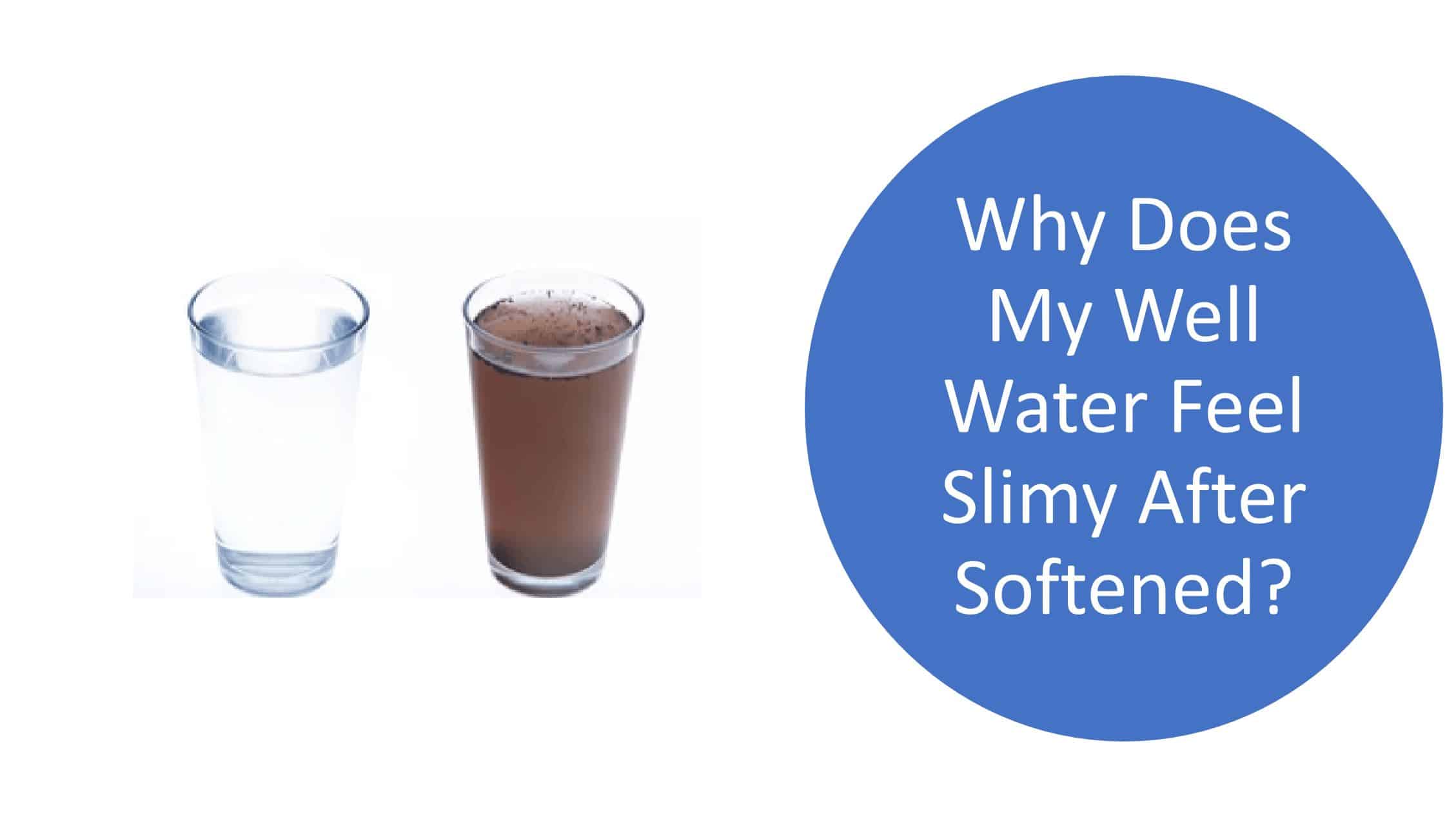 Why Does My Well Water Feel Slimy After Softened?
The Iron Angle (For the Rust Belt Crowd)
If you live in an older city or have well water, that slimy feeling might be iron bacteria. These tiny organisms feed on iron in the water and secrete a sticky, reddish-brown slime.
You’ll usually see it in your toilet tank or around faucet aerators before you feel it on your skin. It looks like orange snot—very scientific term—and it’s gross but rarely dangerous.
A simple shock chlorination of your well can nuke these little guys. After that, you’re back to the regular soft water slime, which is infinitely more pleasant.
Practical Tip: The Water Test
Not sure if you have soft water or a biofilm issue? Do the soap test.
Fill a clear bottle halfway with tap water. Add a few drops of pure liquid soap (no moisturizers). Shake it hard for 10 seconds.
If you get a ton of fluffy suds and the water underneath is cloudy, you have soft water. If the suds vanish quickly and the water is clear, your water is hard. If it smells like a swamp, call a professional.
A Reflection on Daily Life
Think about it: we spend so much time trying to make everything feel “perfect.” We want squeaky-clean dishes, stiff laundry, and skin that doesn’t feel touched.
But sometimes, a little slip is okay. That slimy water is a reminder that nature has its own logic, and that logic often involves leaving a gentle trace behind.
So next time you step out of the shower and feel that silky film, just smile. Your water is giving you a hug. And honestly? That’s not the worst way to start your morning.
