What Does Ionized Water Mean

Okay, gather ‘round. Let’s talk about ionized water. You’ve seen the bottles, the expensive machines, and the guy at the gym who swears it cured his existential dread. But wha...

Okay, gather ‘round. Let’s talk about ionized water. You’ve seen the bottles, the expensive machines, and the guy at the gym who swears it cured his existential dread. But what in the name of tap water does “ionized” even mean? Don’t worry; I’ll break it down without making you put on a lab coat.
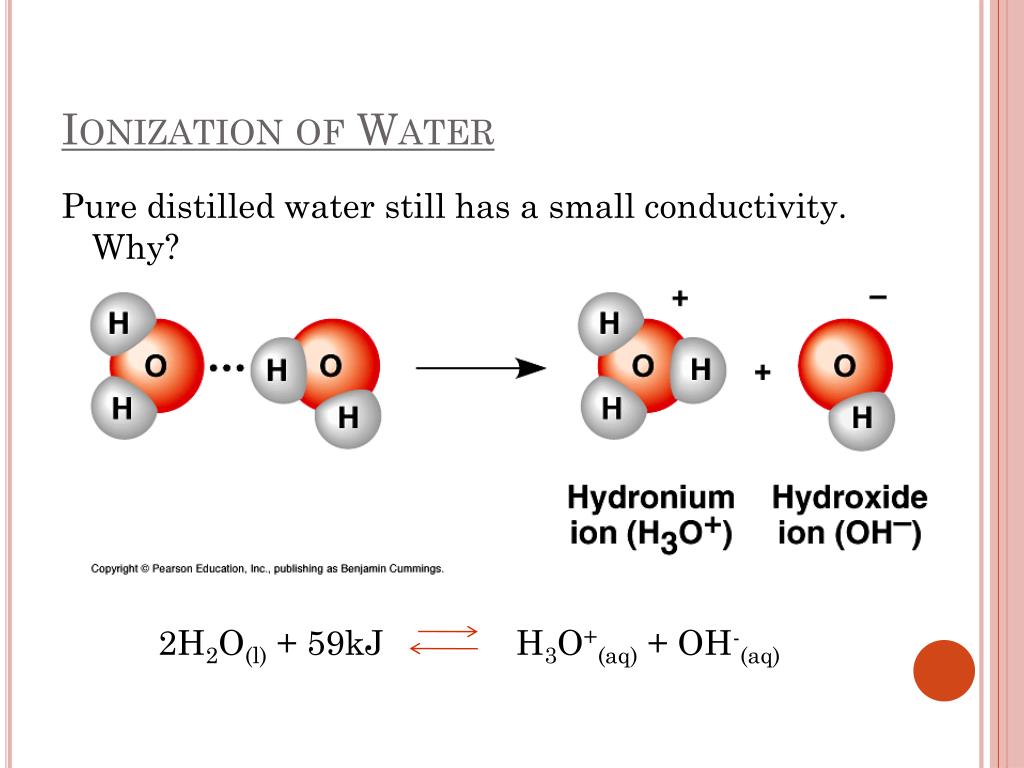
First, a quick science lesson that won’t hurt. Water is made of H2O molecules, but sometimes they lose or gain a tiny charged particle called an ion. When you zap water (or run it over special plates), you split it into two streams: one with more negative ions (alkaline) and one with more positive ions (acidic). It’s like divorcing your water into two squabbling siblings.
The fancy term is electrolysis. Think of it as a water-powered argument where one side becomes a hero and the other becomes a villain, but they both come from the same boring bucket. The alkaline stream is the “healthy” one you drink, while the acidic stream is great for cleaning your toilet. So you’re basically drinking the good twin.
Must Read
The Claims That’ll Make You Snort
Marketers will tell you ionized water is a super antioxidant that fights aging, boosts energy, and makes your hair so shiny that birds will try to nest in it. They claim it’s “micro-clustered,” meaning the water molecules are smaller and sneak into your cells faster. This is like saying your pizza slices are micro-clustered so they digest faster—it’s wishful thinking.
The real science? Water’s pH changes when you ionize it, making it more alkaline (typically pH 8 or 9). Your stomach, however, is a brutal acid bath at pH 2. It laughs at your fancy alkaline water and neutralizes it faster than you can say “placebo effect.” Your body has a built-in pH regulator called homeostasis, and it doesn’t care about your water preferences.
Here’s a surprising fact: basic chemistry says that water can’t hold extra negative ions for long. Once you pour it in a glass, it starts reverting to plain old H2O within minutes. So that $4,000 machine is essentially making you very expensive, very temporary tap water. It’s the water equivalent of a firework—pretty for a second, then gone.
 What is Alkaline Water (Ionised Water)? | Tokui Pty Ltd
But Wait, Any Real Benefits?
I’m contractually obligated to mention that some small studies suggest ionized water might help with acid reflux or post-workout hydration. The theory is that the higher pH might soothe a burning throat, but let’s be real: a glass of milk does the same thing for a lot less money. And hydration? Regular tap water is already top-tier at hydrating you—no ionization required.
Another claim is that ionized water has a negative ORP (oxidation-reduction potential), meaning it might act as an antioxidant. But that’s like saying a car with a spoiler goes faster just because it looks cool. Your body has its own antioxidant system, and it’s not waiting for a glass of zapped water to save the day. Drink a blueberry instead.
The irony is that the acidic water you don’t drink is actually useful. It can kill bacteria, help clean cuts, or make your plants grow well—if they like sour soil. So the “waste” water is the real MVP. Typical, right? The sidekick gets the glory.
 PPT - UNIT IV PowerPoint Presentation, free download - ID:4509789
The Verdict: Should You Buy In?
If you have $2,000 burning a hole in your pocket and you want a kitchen appliance that makes a great conversation starter, go nuts. You can tell your friends, “I drink science water,” and watch them nod politely. But if you’re on a budget, remember that your tap water is already ionized by nature—through lightning strikes! Yes, every time it rains, lightning ionizes the water in the sky. You’re drinking thunder water for free.
Here’s the kicker: The human body is 60% water, and it doesn’t care if that water is ionized, bottled, or came from a hose. What matters is hydration. So unless you’re a laboratory beaker, save your cash. A fun experiment? Buy a pH test kit and test your fancy ionized water. Then test your tap water. The difference is about as exciting as a sneeze.
At the end of the day, ionized water is a perfectly fine way to drink water. It’s not poison, it’s not a miracle, and it’s not going to turn you into a glowing superhero. But if it makes you drink more water because the machine makes cool noises? Then it’s worth every penny. Hydration is the real magic—the ions are just window dressing.
So go ahead, drink your ionized water. Just don’t expect to wake up with X-ray vision. Or do—I’m not here to crush your dreams. Cheers, and may your water be as adventurous as your wallet allows.
