How Much Water In Brine Tank

Okay, let’s talk about something you probably never thought you’d discuss over coffee: the water level in your water softener’s brine tank. I know, it sounds like the plot of...
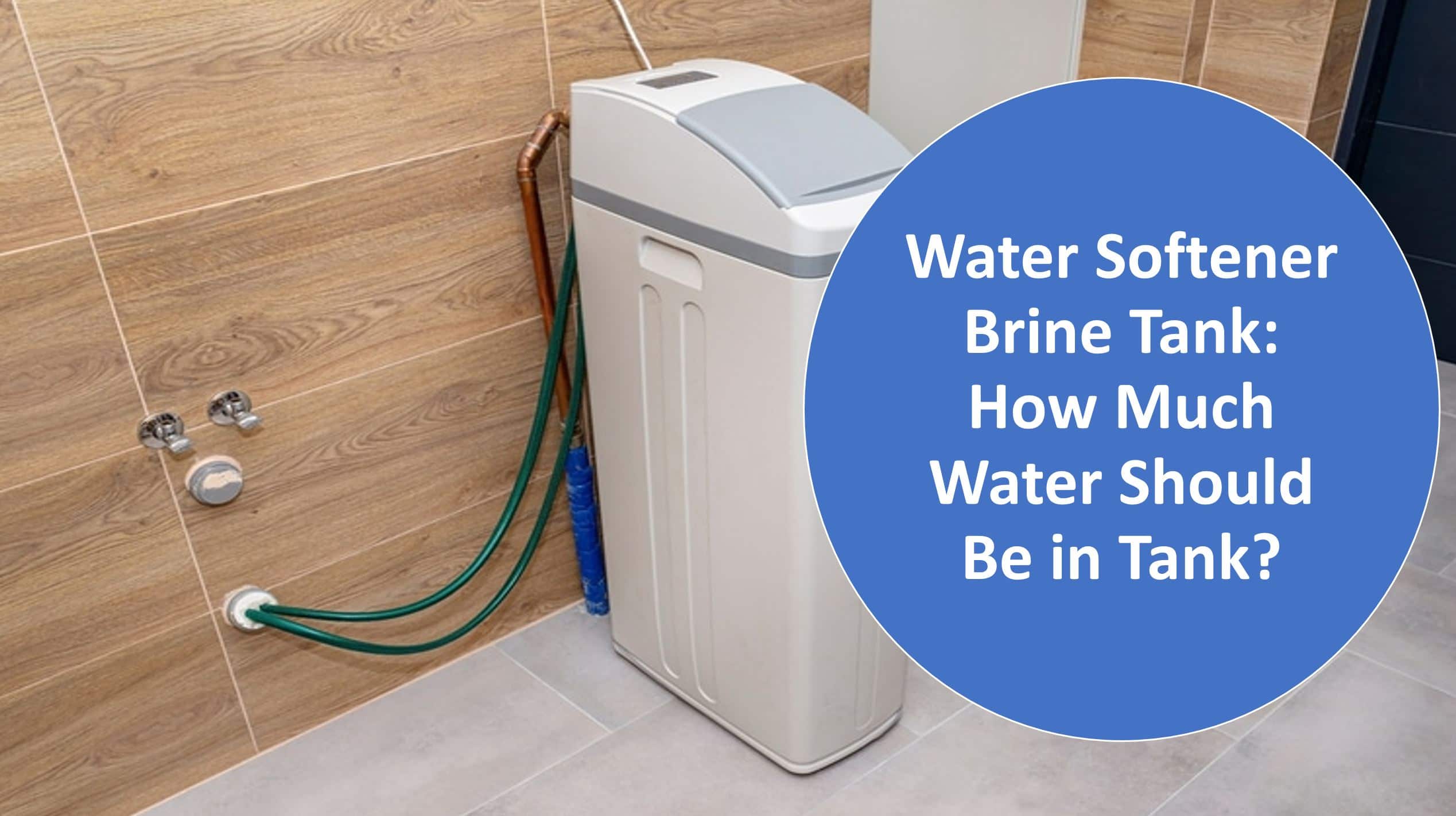
Okay, let’s talk about something you probably never thought you’d discuss over coffee: the water level in your water softener’s brine tank. I know, it sounds like the plot of the most boring movie ever, but stick with me. It's actually pretty simple—and a little hilarious when you realize how many people get this wrong.
The Big Question: How Much Water Should Be in There?
First, take a deep breath. You’re not going to break anything by looking, I promise. The short answer is: very little water—unless the system is doing its thing.
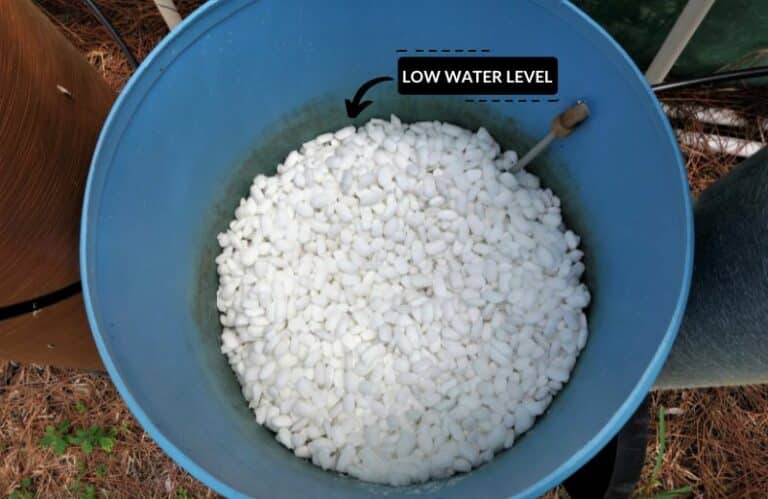
Most of the time, your brine tank should be almost dry on the floor, with just a few inches of water covering the salt pellets. Think of it like a swimming pool for salt: you want the salt wet, but you don’t want a full-on pond.
Must Read
If you peek inside and see a sloshing lake halfway up the tank, you’ve got a problem. That’s not a brine tank anymore—that’s a miniature swamp, and your water softener probably isn't too happy about it.
Wait, Isn’t Brine Made from Water?
Yes! But here’s the secret: the tank only fills with water right before it regenerates. During regeneration, your softener sucks that water out, mixes it with the salt to make brine, and then flushes it through your system. After that, the tank goes back to being mostly dry and salty.
So if you check it at a random time (anytime that’s not during a regeneration cycle), you should see only a small amount of standing water—maybe two to six inches, depending on your model. If you see more, it might be a stuck float or a leaky valve.
And no, that doesn’t mean your softener is “thirsty.” It’s just being dramatic.
The “Just Right” Water Level (Goldilocks Style)
Imagine you’re making a giant salt slushie. You want the salt crystals to be damp at the bottom, not drowning. A good rule of thumb: the water should sit about one to two inches above the salt bridge—that crusty layer that sometimes forms on top of the salt.
If you don’t have a salt bridge (lucky you!), then the water should just barely cover the bottom layer of salt. It’s not a hot tub for salt; it’s a light drizzle for regeneration purposes.
Pro tip: If your tank is a clear plastic one, you can literally see the water line. If it’s an opaque white tank, you’ll have to unscrew the lid and shine a flashlight in there like you’re spelunking for treasure. Spoiler: the treasure is just knowing your water is soft.
 How Much Water Should Be in My Water Softener Brine Tank?
What Happens If There’s Too Much Water?
Oh, it gets messy. Too much water means your brine tank is “flooding,” and that usually leads to salt mushing (yes, that’s a real term). The salt turns into a gooey, muddy paste that clogs everything up.
You might also taste salt in your drinking water—which is gross, unless you’re making a margarita. And nobody wants a salty wake-up glass of tap water (trust me).
Too little water? That’s actually rarer, but it means your softener won’t make enough brine to clean the resin beads. Your water will feel hard again, and you’ll start Googling “why is my soap not lathering?” like a sad detective.
How to Fix the Water Level (Without Crying)
First, don’t panic. If you see too much water, check if the softener is stuck in regeneration mode. Unplug it, wait 10 seconds, and plug it back in. Sometimes electronics just need a little nap.
If that doesn’t work, look for a floater assembly (a little plastic bobber inside the tank). Sometimes it gets jammed. Give it a gentle wiggle—talk to it nicely. “Hey little floaty, do your job.”
And if you see no water at all? That’s normal after a regeneration cycle! Just wait for the next one. Your tank will fill up automatically. It’s like a self-care routine, but for plumbing.
The One Time You Want to See a Lot of Water
There is exactly one exception: when you’re adding new salt. After you pour in fresh pellets, the softener will sometimes add a little extra water to pre-dissolve them. This is fine, and it’ll go back to normal in a day or two.
 How much water should be in my brine tank: real numbers
But if you see the water rising higher than the salt—like you’re trying to grow an aquatic salt forest—call a plumber. Or just sigh deeply and reset the timer. Your choice.
Also, please don’t try to drain the tank yourself with a garden hose unless you enjoy wet socks. I’m not judging, but I’ve seen the results.
The Joy of a Properly Soggy Brine Tank
When your brine tank has that perfect little puddle of water—just enough to make the salt feel hugged—it’s a beautiful thing. Your dishes sparkle, your skin feels less like sandpaper, and you can finally wear your favorite black sweater without white soap scum streaks.
You’ll walk past the tank and nod at it like a wise old friend. “Good job, brine tank. You’re doing your best.”
And honestly? That feeling of control—of knowing exactly how much water belongs in a glorified salt bucket—is pure adulting victory. You’re not just maintaining a machine; you’re mastering the delicate art of dampness.
Final Thought: You’ve Got This
So next time you check your water softener (and let’s be real, you’ll be checking it now because you’re a brine-whisperer), remember: a little water is perfect. A lot is a party foul. Zero is a hungry softener.
It’s not rocket science—it’s just wet, salty patience. And you’re doing great. Even if you accidentally overfilled it once (or twice), your water softener forgives you. It knows you’re learning.
Go ahead, give that brine tank a wink. You two are a team now. And together, you’ll keep the water so soft, you’ll feel like you’re bathing in silk pillowcases. High five to you and your perfectly hydrated brine tank!
