How Much Is It To Dig A Well

So, you’re thinking about digging a well. Maybe you’re tired of that monthly water bill that feels like a second mortgage, or you just want to impress your gardening friends w...
So, you’re thinking about digging a well. Maybe you’re tired of that monthly water bill that feels like a second mortgage, or you just want to impress your gardening friends with a self-sufficient sprinkler system. Either way, you’re wondering, “How much is it to dig a well?” Buckle up, friend—this answer is squishier than a mud pie, but I’ll do my best to get you a solid number.
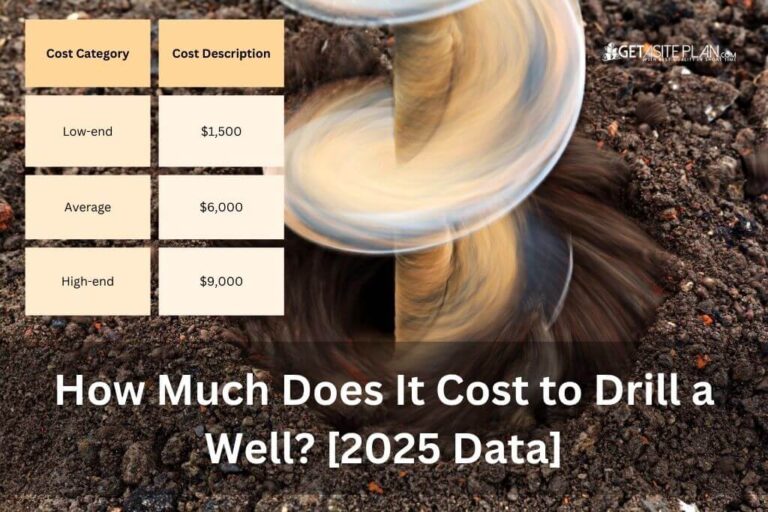
First, let’s get the quick-and-dirty estimate: a residential well can cost anywhere from $3,500 to $15,000. That’s a big range, I know—like saying a pizza costs between $5 and $500. But don’t panic. The final price depends on how deep you go, where you live, and what kind of fancy pump you decide to treat yourself to.
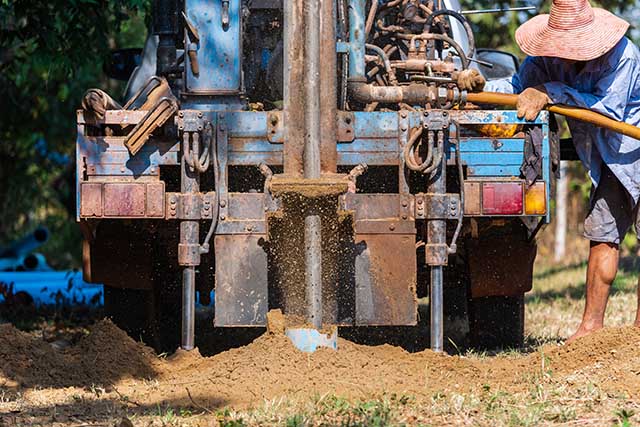
The biggest chunk of change comes from drilling itself. Most companies charge by the foot, typically $15 to $30 per foot for the actual drilling. If your water table is shallow and friendly—like, say, 100 feet down—you’re looking at a few thousand bucks. But if your property sits on a stubborn rock layer that requires blasting or hammer drilling, that price can double faster than a teenager’s appetite.
Must Read
The Secret Costs Nobody Talks About (Until Your Wallet Weeps)
Here’s where it gets sneaky: permits and inspections. Most towns want you to get a permit before you start poking holes in the earth, and that can cost $200 to $800. Think of it as paying the government for the privilege of finding out what’s under your lawn—spoiler alert: it’s usually dirt and maybe a few dinosaur bones.
Then there’s the well pump. A decent submersible pump will set you back $300 to $2,000, depending on how powerful you want it. If you go all fancy with a variable-speed pump that can whisper sweet nothings to your pipes, add another grand. Pro tip: don’t skimp on the pump. A cheap pump is like buying a toy car for a cross-country road trip—it’s gonna let you down.
And don’t forget the casing. That steel or plastic pipe that lines the well hole costs $10 to $20 per foot. It keeps your well from collapsing into a muddy mess, which sounds like a pretty good investment to me. Think of it as a straw for the earth—except your straw costs more than your last vacation.
“But What About the Water Test?” (Spoiler: You Need One)
Oh, you thought you could just drink straight from the ground? Adorable. A proper water quality test runs $100 to $400. They’ll check for bacteria, minerals, and whether your water tastes like a swimming pool. Trust me, you want to know before your morning coffee tastes like iron filings and regret.
Some properties need a “yield test” to see how much water your well actually produces. That’s another $50 to $200. Basically, they turn on the pump and see if you get a trickle or a torrent. Nothing like paying someone to measure your property’s performance—feels like a performance review, but for dirt.
If your well ends up deeper than expected, you might also need a pressure tank (about $300 to $600) and wiring/electrical work ($200 to $1,500). At this point, you’re basically building a small underground skyscraper. And skyscrapers aren’t cheap, even if they don’t have windows.
 How Much Does It Cost to Dig or Drill a Well By Myself?
Regional Price Quirks (Or: Why Florida Is Different from Montana)
Location, location, location. If you live in the Northeast where the ground is mostly rock and sass, expect to pay $8,000 to $15,000 for a well. Down in the Southeast, where the soil is soft and forgiving like a fluffy pillow, you might get away with $2,500 to $6,000. It’s like real estate, but for water—and the dirt is the landlord.
In the Midwest, you’re in the sweet spot: shallow water tables and flat land mean average costs of $4,000 to $8,000. But out West? Oh boy. Drought conditions and deep aquifers can push costs up to $12,000 or more. And that’s before you pay for the fancy filtration system to remove the “essence of cactus” that sometimes comes with desert water.
Bonus tip: If you live next door to a pig farm, your water test might discover some funky flavors. Wash your well lid twice before drinking.
The Cheapskate’s Guide: Can You Dig It Yourself?
Feeling handy? You can technically dig a shallow well by hand (think: 20 to 30 feet) with a post-hole digger and a lot of sweat. Cost? About $200 for basic supplies. But here’s the kicker: hand-dug wells are prone to collapse, contamination, and giving your neighbors a good story to tell at parties. I’m not saying it’s impossible—I’m saying your back will hate you and your water might taste like last week’s compost.
For the adventurous, there are DIY well drilling kits that rent for $500 to $1,500. They’re basically giant screwdrivers that vibrate violently. Fun fact: “vibrating violently” is also how you get a free chiropractic adjustment. You might save money, but you’ll lose a weekend and your dignity when the hose floods your yard.
Moral of the story: Unless you’re a geological superhero, hire a pro. Your sanity (and your water) will thank you.
![How Much Does It Cost to Drill a Well? [2025 Data] - Get A Site Plan](https://getasiteplan.com/wp-content/uploads/2024/12/average-cost-of-drilling-or-digging-a-well-600x432.jpg) How Much Does It Cost to Drill a Well? [2025 Data] - Get A Site Plan
How Much Does It Cost to Drill a Well? [2025 Data] - Get A Site Plan
So, The Grand Total… Like, For Real?
Alright, let’s sum it up. For a typical home well—drilled, cased, pumped, tested, and permitted—you’re looking at $5,000 to $12,000 on average. That’s about the same as a used car, but this one won’t break down on the highway. Instead, it’ll give you water for decades, which is basically a car that showers you.
But here’s the secret: a well adds value to your property. No more water bills, no more drought restrictions, and no more crying over your dead rose bushes. You become the cool neighbor with the endless hose—the one everyone visits during summer barbecues.
And when you break it down per year, a well costs pennies per gallon compared to city water. It’s like buying in bulk, but the bulk is coming from a hole in your backyard. I call that economic poetry.
The Uplifting Conclusion (I Promised!)
So, how much is it to dig a well? It’s a chunk of change, sure. But it’s also a investment in independence, resilience, and the pure joy of knowing exactly where your water comes from. Every time you take a sip from your kitchen tap, you’ll remember the day you turned dirt into a treasure. And your garden? It’ll throw you a parade of tomatoes and sunflowers.
You’re not just digging a hole—you’re unlocking a secret beneath your feet. A silent, ancient aquifer that’s been waiting for you to say, “Hey, can I have a drink?” And it will say yes, over and over, for decades. No monthly bills. No water shortage anxiety. Just you, your land, and a direct line to the planet’s underground heart.
Go ahead. Dig that well. Your future self—the one with the perfect lawn, the endless bubble baths, and the smug smile every time the water bill arrives—will thank you. Cheers to the hole that gives you hope!
