Water Softener How Much Salt

So, you’ve got a water softener. Congratulations, you’ve officially joined the club of people who talk about “hard water” like it’s a villain in a soap opera. You’ve wrestled...
So, you’ve got a water softener. Congratulations, you’ve officially joined the club of people who talk about “hard water” like it’s a villain in a soap opera. You’ve wrestled with crusty showerheads and soap that refuses to lather. Now, you’re staring at a 40-pound bag of salt, wondering, “How much of this stuff do I actually dump in there?” It feels a bit like feeding a mythical creature, doesn’t it? A hungry, salty, water-softening monster that lives in your basement.
Let’s be real: nobody wants to be that person who checks the salt level every Tuesday like it’s a religious ritual. You’ve got real life to deal with—like forgetting to buy milk or stepping on a Lego. The good news is that managing your water softener’s salt isn’t rocket science. It’s more like remembering to feed your pet rock. It just needs a little attention before it gets grumpy.
Why the Salt Matters (And Why You Shouldn’t Treat It Like a Snack)
Think of salt as the fuel for your softener’s magic show. Without it, your water turns back into a mineral bully that leaves white spots on your glasses and turns your hair into straw. The softener uses salt to “recharge” its resin beads, which trap all that nasty calcium and magnesium. When you run out of salt, the beads get tired, and your water goes back to being hard. It’s like forgetting to charge your phone before a road trip—disaster.
Must Read
I once let my salt level get so low that my water tasted like an argument with a rock. My wife asked, “Did you put salt in the softener?” I mumbled something about “scheduling conflicts.” The next morning, my coffee had a faint, chalky undertone. Never again. Now, I check the brine tank like I check my text messages: casually, but with a sense of mild urgency.
So, How Much Salt, Really? The “Goldilocks” Zone
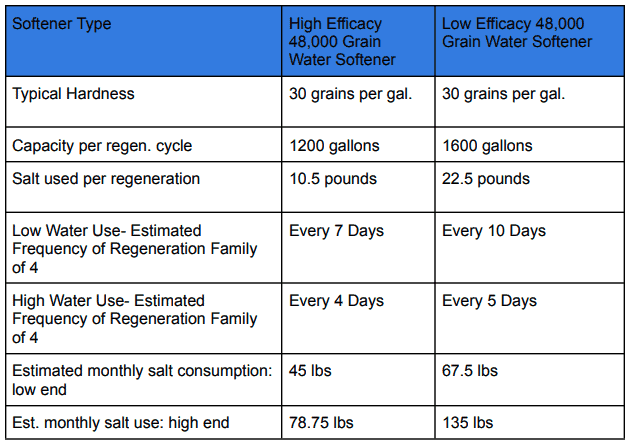
Here’s the honest answer: it depends on your water hardness and how many people live in your house. A typical family of four uses about 40 to 60 pounds of salt per month. That’s roughly one to one-and-a-half bags. If you’re a single person who bathes twice a week and only drinks tap water when desperate, you might stretch a bag for two months. But let’s be realistic—you probably shower daily and run the dishwasher like it owes you money.
Don’t go overboard, though. Filling the tank to the brim isn’t a competition. It’s like over-salting your fries—it ruins the experience. Aim to keep the salt level at least half full, but no more than two-thirds of the way up. The softener needs some headroom to do its regeneration dance. If you cram it full, the salt can “bridge” into a giant, crusty dome. Then you have to break it up with a broom handle, which is a great way to feel like a medieval knight fighting a salt dragon.
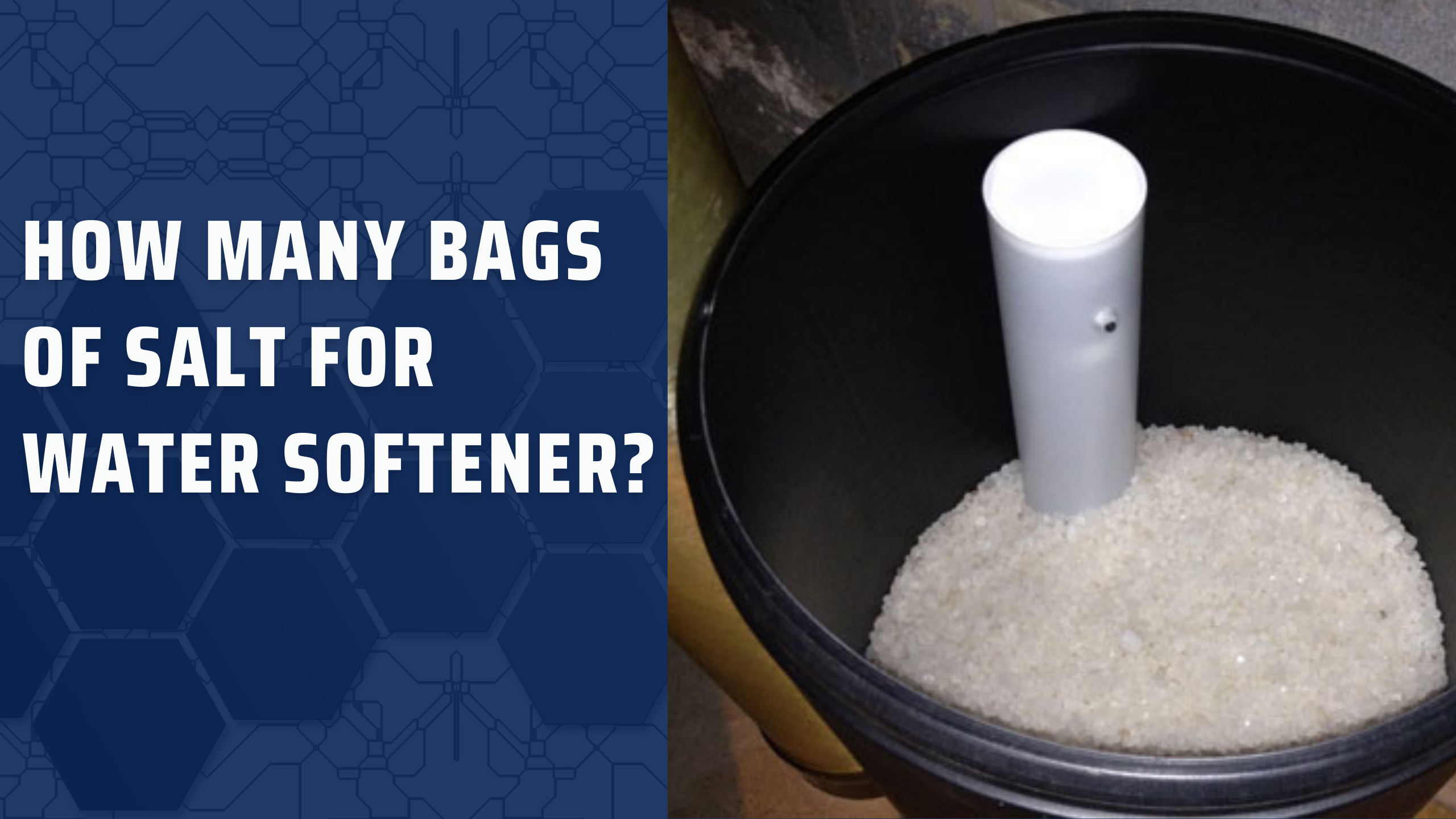 How Many Bags Of Salt For Water Softener? (Salt Quality Factors
The “Bridging” Nightmare and Other Tales of Woe
Bridging sounds like a fun social activity, but it’s not. It happens when the salt forms a solid layer above the water, so the softener thinks it’s empty. You end up with hard water and a puzzled face. Prevention is easy: use pellets or crystal salt, not the fine, dusty stuff. Also, clean your brine tank once a year. Yes, it’s gross. Yes, you’ll find a sludge that looks like the aftermath of a chemistry lab. But your water will thank you.
Another classic mistake is using table salt. Don’t. Just don’t. Table salt contains anti-caking agents that turn your softener into a sticky mess. It’s like putting sugar in your gas tank—nothing good happens. Stick to water softener salt from the hardware store. It’s boring, but it works.
The “Set It and Forget It” Trap
You might be tempted to set your softener’s timer to regenerate every night, just to be safe. Don’t do that. That’s like running your dishwasher when it’s empty. You waste water and salt, and you’ll run out faster. Modern softeners are smart—they regenerate based on how much water you actually use. If you have an older model, adjust the regeneration cycle to match your family’s usage. A good rule: if your water starts feeling slippery (that soft, silky feeling), you’re in the sweet spot. If it feels like you’re washing with liquid sand, add salt.
 Water Softener Salt: How Much, What Kind, and How Often
Here’s a quick checklist for your life: once a month, open the lid and look. If the salt level is below the water line, add a bag. If it’s above, leave it alone. That’s it. You don’t need a spreadsheet. You don’t need to weigh it. Just a quick peek like you’re checking if your kid ate their vegetables.
When in Doubt, Just Add a Bag (But Know When to Stop)
I’ve been guilty of the “one more bag” panic. You look at the tank, think “better safe than sorry,” and dump in a whole 40-pounder. Three days later, the salt is packed so tight the softener can’t regenerate. Moderation is key. If your tank is already half full, adding a full bag will push it to three-quarters full—which is fine. But if it’s already three-quarters full, wait a week. Your softener can handle a few days of suboptimal salt levels. It’s not a drama queen; it’s a machine.
Remember that anecdote about my wife and the chalky coffee? She now has a sticky note on the softener that says, “Salt is like hugs: needed in regular doses, not in dramatic floods.” It makes me laugh every time I check it. So, find your own system. Maybe set a monthly reminder on your phone called “Feed the Hephaestus.” Just don’t overthink it. Your water softener is a loyal friend that asks for little—just a bit of salt and a moment of your time.
And hey, if you mess up? It’s fine. You’ll have a funny story about the time you tried to conquer a salt bridge with a broom. We’ve all been there. Now go pour yourself a glass of silky-smooth water. You’ve earned it.
