What Is A Contaminated Water

So, you think you know water? Think again. We’re diving into the wild world of contaminated water. It’s not just “dirty”—it’s a whole chemistry party you didn’t RSVP to. What...
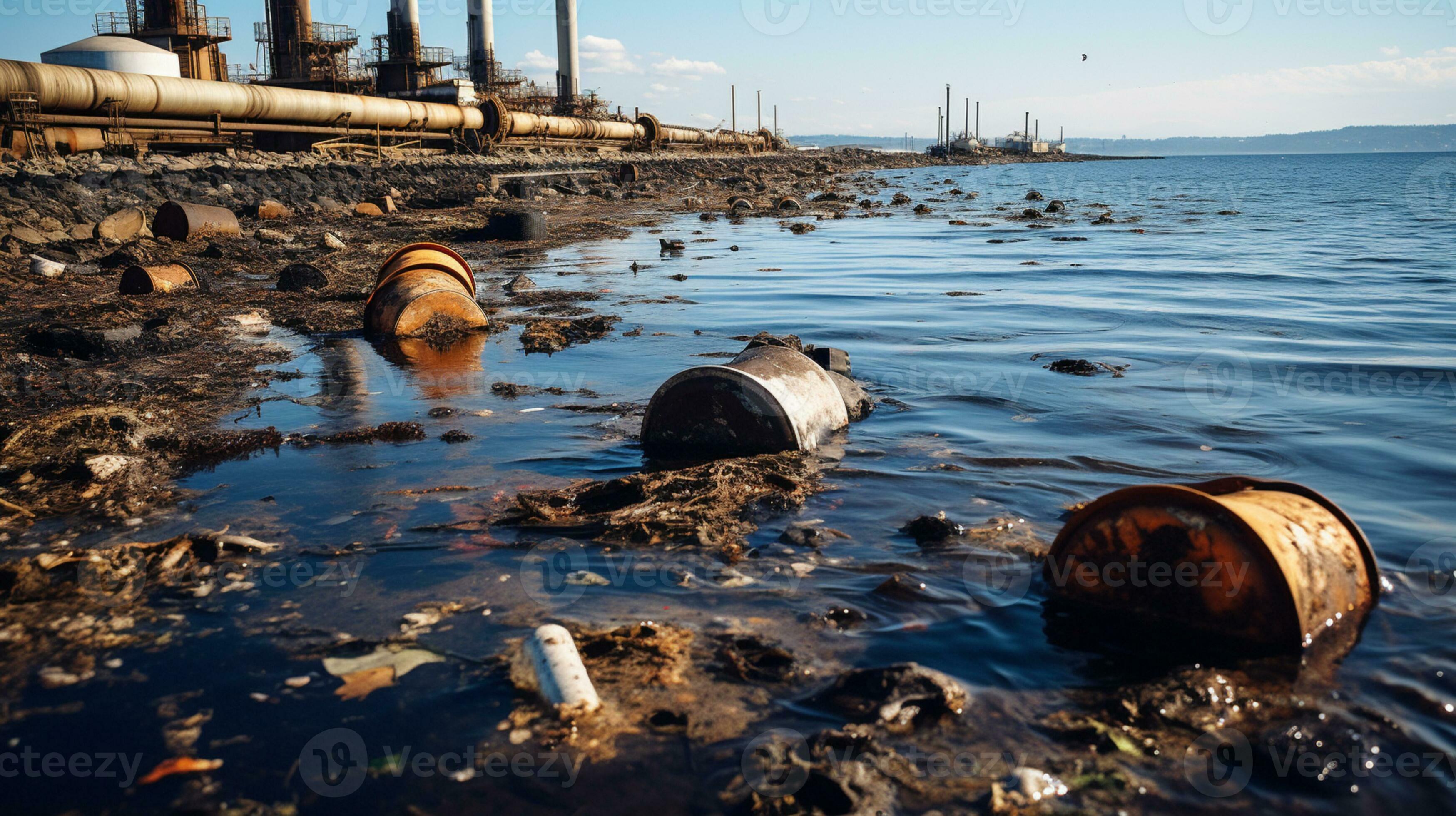
So, you think you know water? Think again. We’re diving into the wild world of contaminated water. It’s not just “dirty”—it’s a whole chemistry party you didn’t RSVP to.
What’s the Big Deal?
Contaminated water is any H₂O that has uninvited guests. We’re talking chemicals, germs, or even tiny plastic bits. It’s like your lunch got a side of mystery sludge—not cool.
Here’s the kicker: perfectly clear water can be toxic. Looks can be deceiving. That sparkly stream might hide heavy metals or poop bacteria. Yikes.
Must Read
The Dirty Facts (and Why They’re Funny)
Lead is a classic party crasher. It’s been in pipes since ancient Rome. Those Romans used lead pipes—and historians think it made them a bit loopy. So, contaminated water might have chuckled its way through history.
Another favorite: microplastics. They’re in your bottled water. Yes, even the fancy stuff. Science found that a single liter can hold 240,000 plastic bits. Cheers to a crunchy refreshment!
And don’t forget arsenic. It’s a natural poison, but groundwater loves it. In some places, it’s like nature’s prank—you’re drinking a pinch of old-timey rat killer. Delicious? Hard no.
Who Invited These Creeps?
Contaminants come from everywhere. Farms send fertilizer and manure runoff. Factories dump solvents and heavy metals. Even your lawn pitches in with weed killers. It’s a gross potluck.
The funniest culprit? Your own toilet. Leaky septic tanks or old sewer lines can mix poo with your drinking supply. The result? Bacteria like E. coli and giardia. Giardia sounds like a pasta dish but it gives you explosive diarrhea. Not so fun anymore.
And here’s a quirky twist: pharmaceuticals end up in water. People flush old pills. Those drugs—birth control, antidepressants—survive treatment plants. You could be drinking a micro-dose of someone’s sad day. Weird, right?
It’s Not All Doom and Gloom
Contaminated water is gross, but it’s also fascinating. Think about it: water is the ultimate traveler. It picks up stories—and stink—from every place it visits. Rainwater collects gases from the air, like nitrogen oxides from car exhaust. That’s acid rain, baby! It’s nature’s moody cousin.
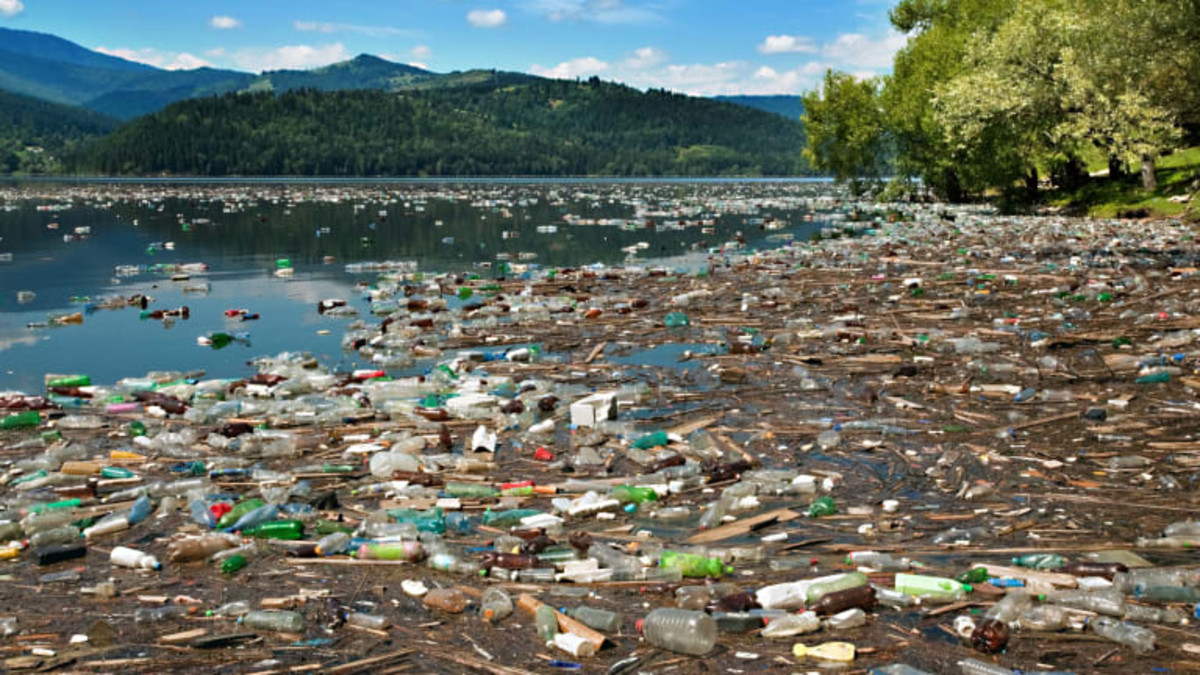 The Sources and Impacts of Water Pollution - HubPages
Even the color matters. Red water? That’s iron from rusty pipes. Green water? Algae bloom—a slimy party that steals oxygen. Brown water? Sediment or… well, mud. But also, sometimes, a bit of sewer. No filter needed for that visual.
And let’s talk about dead zones. When too much fertilizer hits the ocean, algae go bonkers. They eat all the oxygen, creating a “dead zone” the size of New Jersey. Fish flee or die. A silent underwater ghost town. Creepy and cool.
How Do We Know It’s Contaminated?
Your nose is a terrible detective. Smell isn’t always a giveaway. That “rotten egg” scent? It’s hydrogen sulfide—a natural gas, not poison. But tasteless, odorless radon can cause cancer. Sneaky, huh?
Science uses fancy toys. They measure parts per million, or even parts per trillion. That’s like finding one drop of ink in 20 Olympic pools. Mad precision.
Your eyes aren’t great either. Clear water can have dissolved solids—salts, metals—that are bad news. Meanwhile, murky water is often safer because sunlight kills some bugs in it. Surprise!
Why This Topic Is Pure Fun
Contaminated water is like a science mystery. Every sip is a detective story. Is there trace caffeine from your neighbor’s coffee? Maybe. Is that metallic taste from copper pipes or a ghost’s tears? Probably copper.
It’s also a global game. In Flint, Michigan, the water turned toxic from cheap pipe repairs. In Bangladesh, well water gives people arsenic poisoning—after decades of saving them from dirty surface water. Irony? Big time.
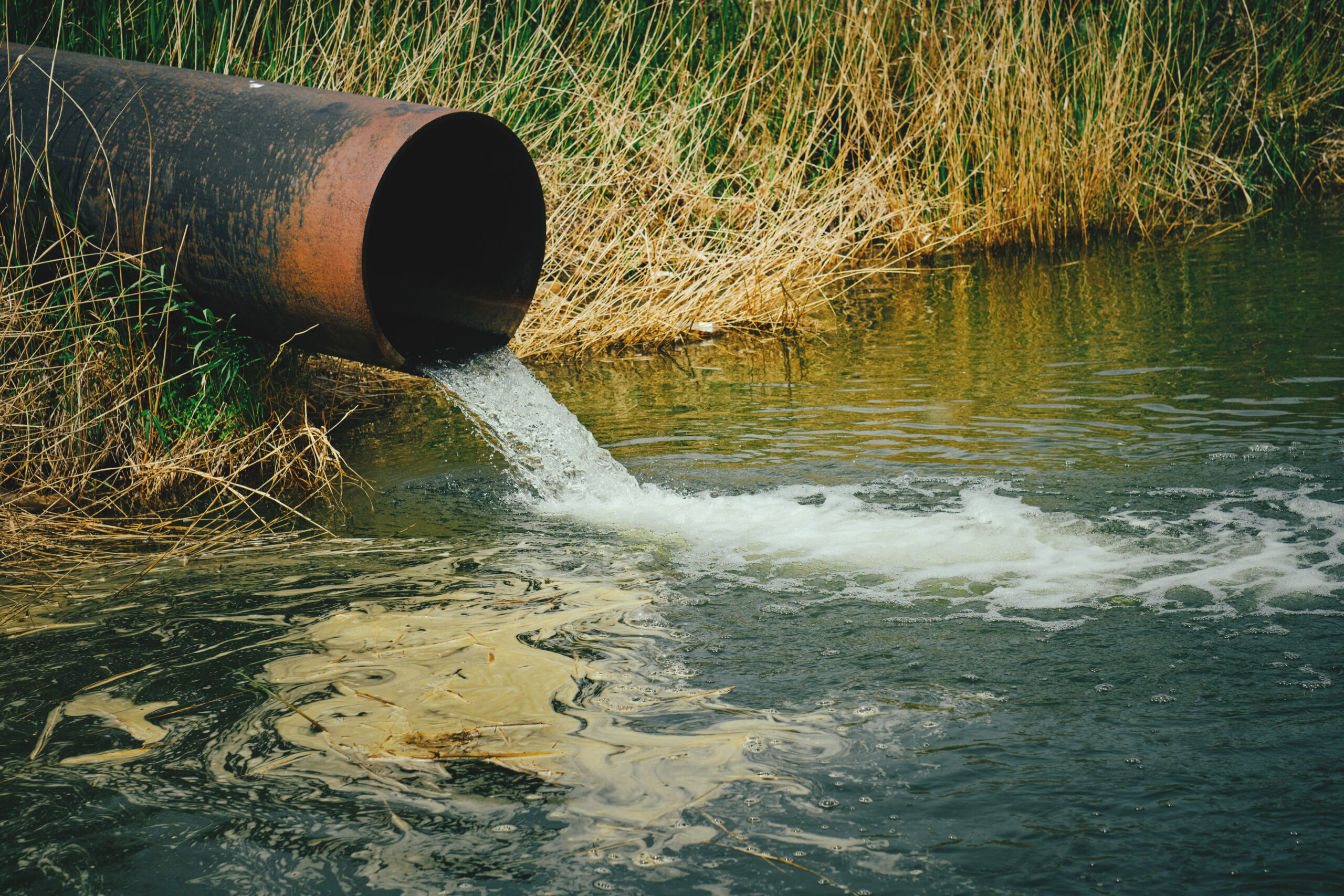 Chemical Water Pollution Effects On Environment
And get this: astronauts on the ISS recycle their own pee into drinking water. That’s contaminated water reincarnated. Space coffee, anyone? Pee-licious.
What’s the Weirdest Contaminant?
Fire retardant chemicals (PFAS) are everywhere now. They’re in nonstick pans, rain jackets, and your blood. They don’t break down—they’re called “forever chemicals.” Eternal contamination. Like a bad tattoo, but in your cells.
Another oddball: cocaine. In some rivers, researchers found trace amounts of recreational drugs. That’s right—your drinking water might have a tiny party history. Snortable? No. Interesting? Absolutely.
And then there’s nuclear waste. Tritium, a radioactive isotope, leaks from power plants. It glows faintly in the dark. Glow-in-the-dark water—sounds cool, but it’s a big no-no for your cells.
So, What’s the Takeaway?
Contaminated water is not boring. It’s a messy mix of history, chemistry, and your neighbor’s bad habits. You’ll never look at a glass of water the same way again.
Next time you take a sip, think: Am I drinking ancient Roman pipe dust? A hint of lawn fertilizer? A whisper of astronaut pee? Probably not, but it’s fun to wonder.
Stay curious. Filter your water if you want. But remember: every drop has a dirty story to tell. And that’s awesome.
