What Is A Water Softener For

You know that feeling when you wash your hands and they feel a little squeaky, like you just scrubbed them with sandpaper? Or when your fancy shampoo barely lathers, leaving y...

You know that feeling when you wash your hands and they feel a little squeaky, like you just scrubbed them with sandpaper? Or when your fancy shampoo barely lathers, leaving your hair feeling like straw? That’s not your fault—it’s likely your water.
That squeaky feeling is actually a sign of hard water. And trust me, it’s a sneaky little troublemaker living in your pipes.
So, what’s the deal with hard water?
Hard water is just regular water that picked up extra minerals—mainly calcium and magnesium—on its journey through the ground. Think of it like a teenager rummaging through the kitchen; it grabs everything it touches.
Must Read
Those minerals aren’t bad for you to drink, but they’re awful for your home appliances and your skin. They cling to everything, leaving white crusty deposits on your faucets and inside your kettle.
Ever seen a foggy glass that won’t dry clear no matter how hard you shine it? That’s hard water showing off.
Enter the water softener: your home’s superhero
A water softener is exactly what it sounds like—a little machine that makes your water, well, softer. It pulls those extra minerals out before the water ever reaches your tap.
Think of it as a friendly bouncer at a club. The good water gets in, but the pesky calcium and magnesium are politely turned away at the door.
Once you have one, your water starts acting like a dream. Your soap lathers up like a cloud, your glasses dry sparkling clear, and your skin feels less like parchment.
But how does it actually work? (In plain English)
Inside the softener is a tank filled with tiny resin beads. These beads are like little magnets that grab onto the hard minerals.
The beads swap the hard minerals for sodium (or sometimes potassium). That’s why people say softened water is slightly salty—but not enough to taste.
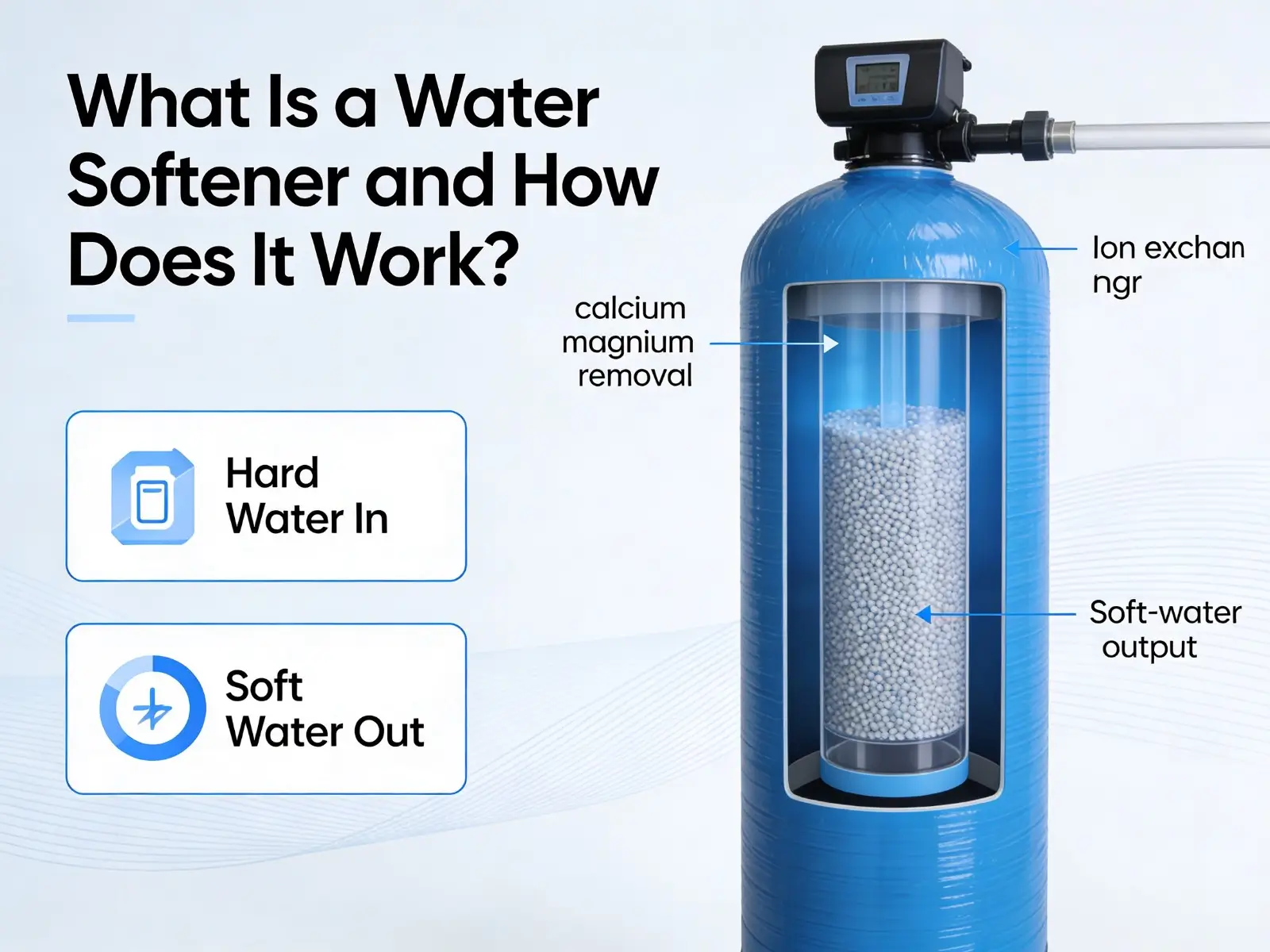 What is Water Softener & How It Works | Complete Guide 2026
Then, every few nights, the system flushes itself clean with a salt brine solution. It’s like giving the machine a good shower so it can keep working for you.
Why should you care? Let me tell you a story.
My friend Sarah lived in a house with hard water for years. She didn’t think much of it until she noticed her dishwasher was leaving white spots on her wine glasses. Then her washing machine started making weird grinding noises.
When she finally called a plumber, he pulled out a showerhead that looked like it was wearing a tiny rock helmet. The minerals had caked up so thick, the water could barely dribble out.
After she installed a softener, she called me giddy. “My hair is actually soft!” she squealed. It’s the little things, right?
The real-world perks you’ll notice
You’ll use way less soap and detergent. Hard water fights soap, so you need a ton of it to get clean. Soft water lets your soap do its job with just a little squeeze.
Your appliances will last longer, too. No more weird white buildup clogging your coffee maker or ruining your dishwasher’s heating element. That’s money staying in your pocket.
And your skin? Oh, it will thank you. Hard water leaves a film on your skin that can dry it out and cause irritation. Soft water rinses clean, leaving you feeling like you just stepped out of a spa.
But wait—isn’t salt bad for me?
This is a common worry, but relax. The amount of sodium added to your water is tiny—much less than what you’d get in a slice of bread. If you’re on a strict low-sodium diet, you can use potassium-based salt instead.
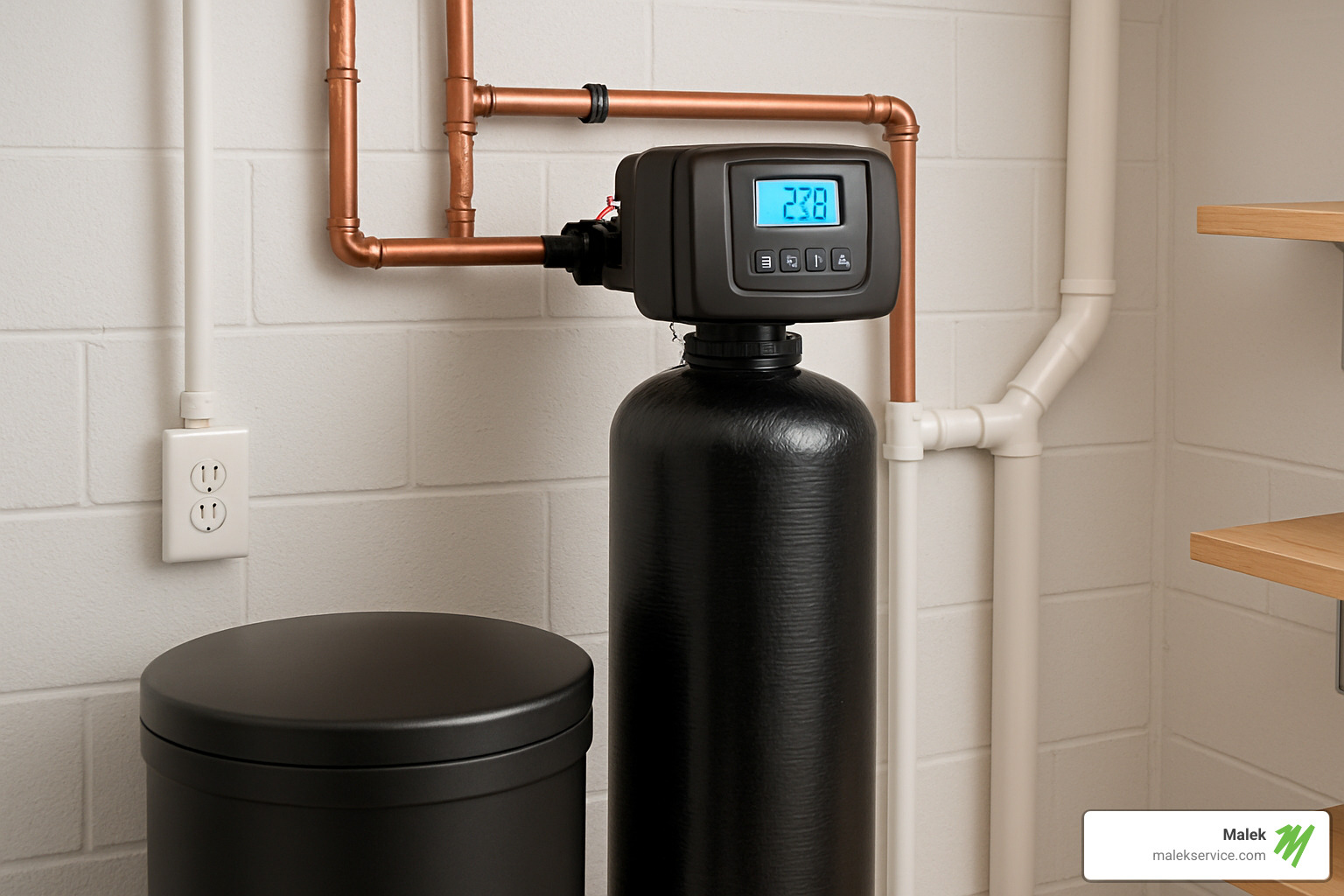 Water softener system benefits: 7 Powerful Positive Reasons 2025 - All
Plus, you can install a separate tap for drinking water if you’re really concerned. Most people just drink the softened water and never notice a thing.
Your plants might prefer unsoftened water, but that’s an easy fix. Just water your garden with a hose tap that bypasses the softener.
Is it for everyone?
If you live in a place where the water leaves white crust on your tea kettle or soap scum on your shower door—yes. That’s a telltale sign you’ve got hard water.
You can even test it yourself. Fill a clear bottle with tap water, add a few drops of dish soap, and shake it. If it doesn’t foam up like crazy, you’ve got hard water.
Most homes in the U.S. have hard water to some degree. It’s not a punishment—it’s just part of where you live. But you don’t have to live with it.
The bottom line (no jargon, promise)
A water softener is like giving your whole house a spa day, every single day. It saves your appliances, your skin, your hair, and your sanity.
It’s not glamorous. Nobody throws a party for their water softener. But you’ll notice the difference every time you turn on the faucet.
And honestly? A little less squeak and a lot more softness sounds like a win to me.
