What Is Water Softener Resin

Ever wonder what’s really going on inside that tall, white cylinder next to your water heater? You know, the one that looks like a mini rocket ship or a fancy garbage can? It’...

Ever wonder what’s really going on inside that tall, white cylinder next to your water heater? You know, the one that looks like a mini rocket ship or a fancy garbage can? It’s your water softener, and at its heart lies a magical, tiny bead called resin.
So, What Exactly Is This Resin Stuff?
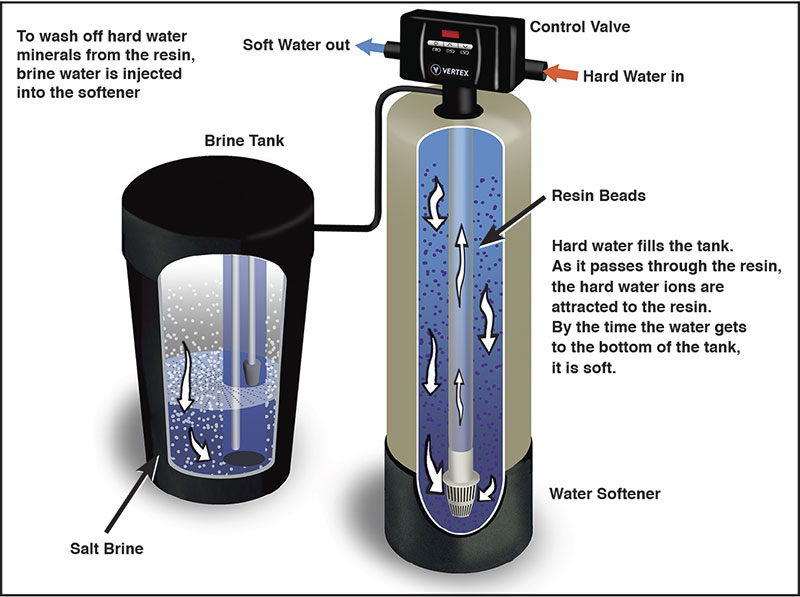
Think of resin as thousands of microscopic, sticky sponges. But instead of soaking up water, these sponges are incredibly picky about what they latch onto. They specifically grab hold of hardness minerals like calcium and magnesium.
Picture a crowded nightclub. The resin beads are the bouncers, and they hate letting calcium and magnesium inside. They much prefer sodium (salt), so they do a little chemical swap.
Must Read
This swap is the whole secret. The resin kicks out its stored sodium and pulls in the hard minerals, trapping them forever—or at least until we clean them.
Why Should You Care About These Little Beads?
Because without them, your water is basically running a demolition derby through your house. That white, crusty film on your shower door? That’s calcium, the resin’s arch-nemesis.
When you have hard water, that crusty stuff builds up inside your pipes, your water heater, and even your coffee maker. It’s like giving your appliances a slow, mineral-based heart attack.
Resin stops that cold. It’s the unsung hero that lets your soap lather up properly and keeps your hair feeling silky instead of like straw. Pretty cool, right?
The Magic Trick: How Resin Actually Works
Imagine a bunch of Velcro-covered tennis balls. Each resin bead has a surface covered in negative charges. Calcium and magnesium have positive charges, so they get stuck on the resin like socks on a carpet.
But here’s the wild part: the resin can only hold so many minerals before it gets full. It’s like a trash can that can’t hold another banana peel. When that happens, the softener goes into “regeneration” mode.
 Water Softeners | Midwest Smart Water Solutions
Regeneration is the resin’s spa day. A powerful brine solution (salty water) floods the tank, and all that sodium rushes in to kick the calcium and magnesium off the beads. The minerals get flushed down the drain, and the resin is reborn, ready to start the swap all over again.
Is It All the Same? Not Exactly.
You might think, “A bead is a bead,” but nope. There are different grades of resin, just like there are different grades of coffee. Standard resin works fine for most homes.
But if you have well water with a lot of iron, you need a special high-capacity resin. This one is tougher, like a bouncer who’s also a black belt. A normal bead might get stained and ruined by rust, but high-capacity resin shrugs it off.
You can even find “fine mesh” resin for tiny systems or resin that’s cross-linked (extra strong) for high-usage households. It’s a whole deep world of tiny, salty workers.
The Fun Comparison: Resin vs. Your Washing Machine
Ever notice how your favorite jeans feel rough after a wash in hard water? That’s because the mineral deposit act like sandpaper on the fabric. Resin is the thing that makes your clothes feel soft and fluffy again.
It’s like the difference between washing your car with a dirty rag and using a clean microfiber cloth. One scratches, one shines. Resin is the microfiber cloth for your entire house’s water supply.
 About - How a Water Softener Works - Vertex Water ProductsVertex Water
And here’s a wild thought: the beads themselves last for years and years. They get regenerated thousands of times. It’s like having a pet that never needs to be fed, only occasionally rinsed in salt water. Low maintenance, high payoff.
What Happens If the Resin Goes Bad?
Honestly, resin is durable, but it isn’t immortal. Over time, chlorine from city water or heavy iron from a well can wear it down. You might notice your water getting hard again, or you’ll hear the softener running but nothing changes.
A bad batch of resin looks like a pile of broken glass instead of perfect tiny beads. When that happens, it’s time to swap them out. Think of it like changing the filter in your fridge—messy, but totally worth it for clean water.
If you hear a weird “swooshing” sound or your softener seems grumpy, check the resin. It’s usually the star of the show that went on strike.
The Takeaway: Small Beads, Big Impact
So next time you wash your hands and get a perfect, bubbly lather, give a tiny mental fist bump to your water softener resin. Those little polymer beads are doing more work than most of your appliances.
They’re silently fighting the good fight against minerals, saving your pipes, and keeping your hair shiny. It’s a reminder that the smallest things in our homes often do the biggest jobs.
And isn’t that just a little bit awesome? It’s chemistry, plumbing, and magic all rolled into a single, tiny sphere. Now you know the cool secret behind the machine. Go enjoy your soft water.
