What Is The Carbonated Water

Let’s be real for a second. When you crack open a can of sparkling water, are you drinking something magical or just fancy tap water? It’s a fair question, and honestly, the a...
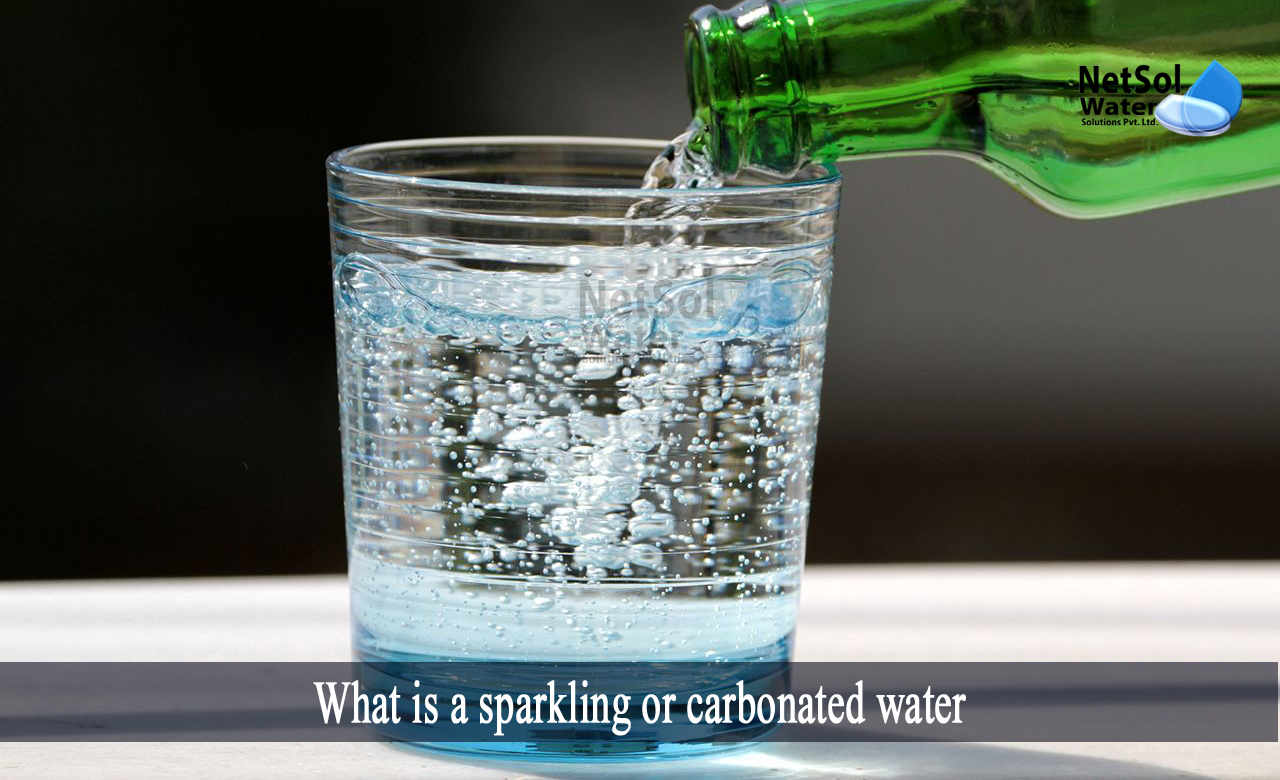
Let’s be real for a second. When you crack open a can of sparkling water, are you drinking something magical or just fancy tap water? It’s a fair question, and honestly, the answer is a little bit of both. Carbonated water is simply water that has been infused with carbon dioxide gas under pressure, creating those fun little bubbles that tickle your tongue. You might know it as seltzer, sparkling water, or club soda—but whatever you call it, it’s basically H2O with a personality.
The Science of Fizz (It’s Not Magic, But Close)
Here’s the lowdown: carbon dioxide (CO2) is dissolved into the water under high pressure. When you open the bottle or can, the pressure drops, and the gas escapes as tiny bubbles. That’s the satisfying pop and hiss you hear—like a tiny party happening inside your drink. It’s the same gas that makes soda fizzy, but without all the sugar and artificial junk. So, why do we love it so much? That sharp, tangy sensation comes from the carbonic acid formed when CO2 mixes with water—it’s what gives sparkling water its zing.
Think of it like a cool, crisp high-five for your taste buds. It’s water, but it refuses to be boring.
Must Read
Is It Actually Healthier Than Still Water?
This is where things get interesting. Some people worry that carbonated water is bad for your teeth or bones—but relax, the science says no. Plain sparkling water is just as hydrating as still water, and it won’t harm your enamel unless you’re adding citrus or drinking it all day long. In fact, one study even found that it can help with digestion by improving swallowing and reducing bloating—ironic, right?
But here’s a fun comparison: imagine your plain water is a calm, quiet librarian. Carbonated water? That’s the same librarian after three espressos—still sensible, but now with a little sparkle. It’s the perfect bridge between boring and sugary drinks, especially if you’re trying to cut back on soda. You get the ritual of cracking a can, the fizz, the refreshment—without the guilt.
 Is Sparkling Water Good for Weight Loss? — FuadFit
The Wild World of Carbonated Water Varieties
Not all bubbles are created equal, my friend. Let’s break down the main players:
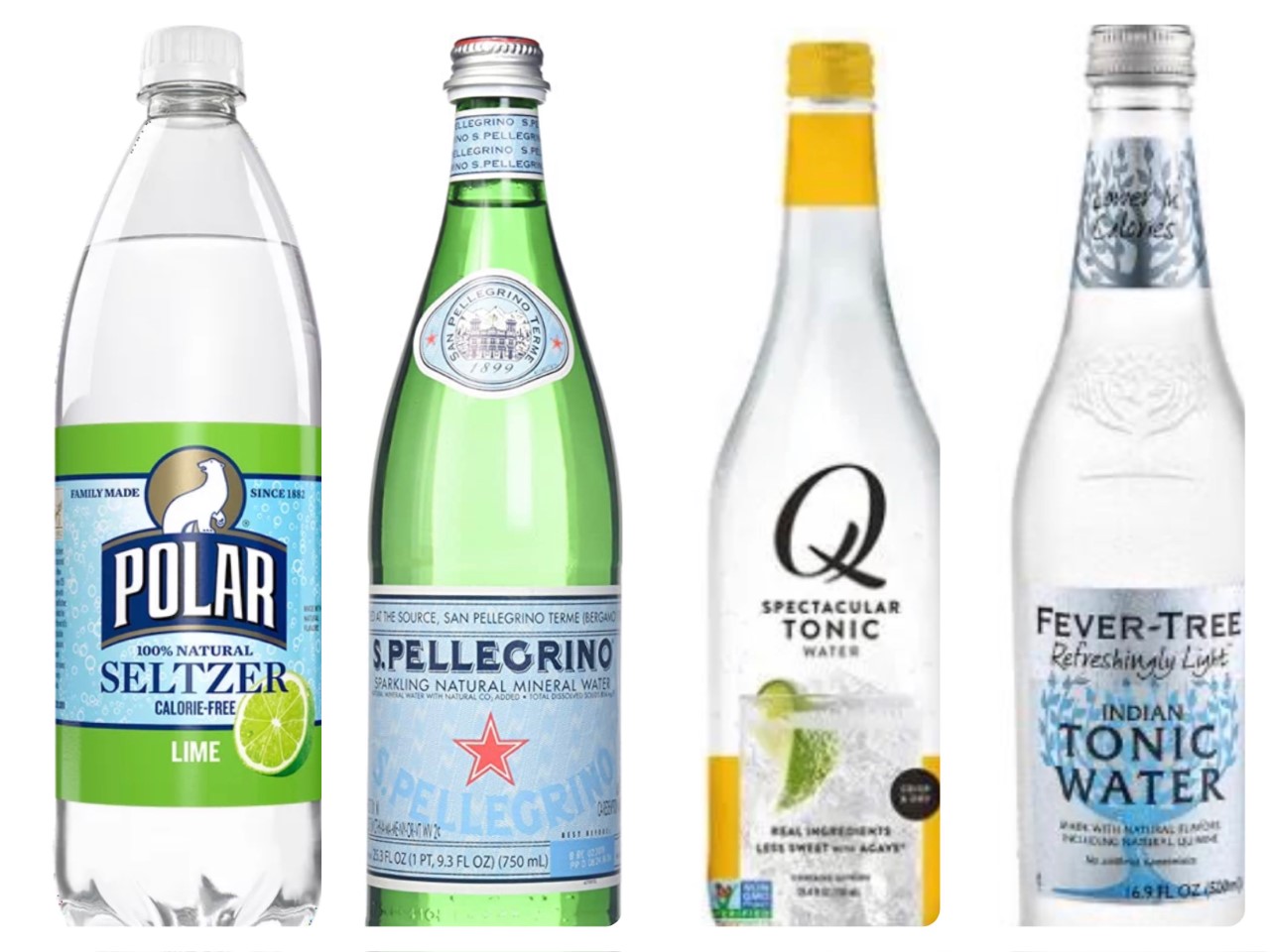
Club soda has added minerals like potassium bicarbonate or sodium citrate, which give it a slightly salty, clean taste. Seltzer is just carbonated water—pure, simple, and a blank canvas for flavor. Then there’s tonic water, which is carbonated water plus quinine and sugar—basically the flashy cousin who shows up to the party with gin. And don’t forget mineral water (like Perrier or San Pellegrino), which comes from natural springs and already has its own minerals and bubbles. It’s like the artisanal cheese of the carbonated water world.
Ever tried sparkling water with a splash of lime or a muddled berry? Suddenly, you’re not just drinking water—you’re having a moment. It’s the lazy person’s mocktail, and it’s genius.
 Difference Between Carbonated Water And Water
Why We’re Obsessed Right Now
Sparkling water sales have exploded in the last decade, and it’s easy to see why. It’s the ultimate guilt-free indulgence—zero calories, zero sugar, and zero judgment. You can sip it at a fancy dinner or while binge-watching your favorite show, and it still feels like a treat. Plus, it’s a fantastic way to trick your brain into drinking more water. Let’s be honest, sometimes plain water feels like a chore, but sparkling water? That’s a choice.
And here’s a weird but cool fact: the fizz actually stimulates your nerves, making the drink feel more satisfying. It’s like the auditory and tactile equivalent of a satisfying crunch—your brain says, “Yes, this is fun.”
So, What’s the Takeaway?
Carbonated water is water that decided to be adventurous. It’s not a miracle cure, but it’s a simple, delightful way to stay hydrated without the sugar crash. Next time you pop open a can, think of it as water with a swagger. Still curious? Grab a glass, add a slice of lemon, and ask yourself: Why did I wait so long to try this? The bubbles are waiting.
