How To Measure Pfas In Water

You know that non-stick frying pan you adore for making perfect scrambled eggs? Or that waterproof jacket that keeps you dry on drizzly walks? Well, those amazing inventions o...
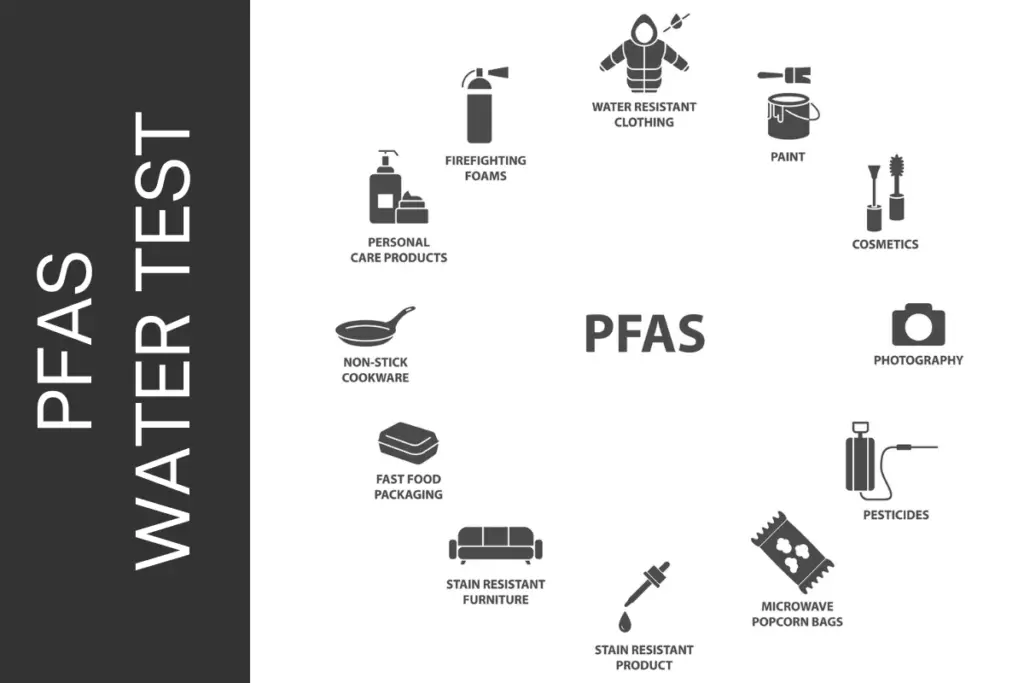
You know that non-stick frying pan you adore for making perfect scrambled eggs? Or that waterproof jacket that keeps you dry on drizzly walks? Well, those amazing inventions owe their magic to a group of chemicals called PFAS.
They’re everywhere—in pizza boxes, stain-resistant carpets, and even your favorite lipstick. But lately, PFAS have been getting a bad reputation for lurking in our drinking water.
Don’t panic, but do pay attention. Here’s the lowdown on how to measure PFAS in water, without needing a chemistry degree.
Must Read
First, what’s the big deal with PFAS?
Imagine you have a party guest who shows up, eats all your snacks, and then refuses to leave. That’s PFAS—they’re nicknamed “forever chemicals” because they don’t break down in the environment.
Our bodies aren’t sure what to do with them either. Some studies link high levels to health issues, but for most of us, it’s just a smart idea to know what’s flowing from our tap.
Think of PFAS like that odd smell in your fridge. You don’t need to live in fear, but you do want to find the source and deal with it.
Can you measure PFAS with a home test kit?
Great question! Technically, you can buy a home water test kit that screens for PFAS. They look a lot like the kits for testing pool water—little vials and color-changing strips.
But here’s the catch: PFAS are sneaky. They’re measured in parts per trillion, which is like finding one drop of ink in a million gallons of water.
Home kits are a decent starting point, but they’re not super precise. Think of them as a “yes, maybe, or no” signal—not an exact number.
The gold standard: Send it to a lab
If you really want to know, you’ll need to act like a detective. Collect a water sample from your tap using a special bottle the lab provides.
Follow the instructions like you’re baking a fancy cake—don’t touch the inside of the lid, and fill it to the line exactly. Seal it up, and ship it off to a certified lab (many offer mail-in services).
A few weeks later, you’ll get a results sheet that looks a bit like a report card. It’ll show specific PFAS compounds, like PFOA or PFOS, in neat little numbers.
 Your Guide to Understanding PFAS Testing and Water Safety Standards
Yes, it costs money—usually between $150 and $400. But it’s the most reliable way to measure PFAS accurately.
What about your water utility?
Here’s a free tip: your local water utility might already test for PFAS. Many are required to by law now (in the US, the EPA has new rules).
Call them up or check their website for annual water quality reports. They’re called Consumer Confidence Reports—yes, that’s a mouthful, but they’re actually pretty readable.
If your utility finds PFAS, they’ll tell you the level. That’s like getting a weather report for your tap water.
Can you measure PFAS yourself without a kit?
Short answer: nope. PFAS are invisible, tasteless, and odorless. You can’t “feel” them like you can feel chlorine in a pool.
Don’t be fooled by cloudy water or weird smells—PFAS don’t cause that. Only a lab can confirm they’re present.
So resist the urge to play mad scientist in your kitchen. Leave it to the pros with fancy machines called mass spectrometers (which sound like something from Star Trek).
Why should you care? Let’s make it fun.
Imagine your morning coffee ritual. You brew it, you sip it, you feel human again. Now imagine that coffee water comes with a squirt of mystery chemicals.
You’re not just drinking coffee anymore—you’re drinking a little science experiment. Measuring PFAS is like reading the label on that experiment.
 EU Introduces Mandatory Monitoring of PFAS in Drinking Water
The goal isn’t to terrify you, but to empower you. Knowledge is power, especially when it comes to the stuff that keeps you hydrated.
A little story to help you smile
My neighbor, Karen, used to obsess over her water. She bought every filter she saw on sale. One day, she tested her tap water and found PFAS levels were below the detection limit.
She literally hugged her kitchen faucet. Now she drinks her tap water with full confidence—and saves a ton of money.
See? Testing can bring peace of mind—or at least a funny story to tell at parties.
What to do after you measure PFAS
If your results show high levels, don’t freak out. You have options. Activated carbon filters (like in many Brita pitchers) can reduce some PFAS.
For better removal, look for reverse osmosis systems or filters certified to remove PFAS. They’re not cheap, but neither is bottled water forever.
Another idea: boil your water? Nope. Boiling actually concentrates PFAS—like making a chemical soup. So skip that step.
Final thought: You’ve got this
Measuring PFAS doesn’t have to be a chore. It’s like taking your car for a checkup—you do it to keep things running smoothly.
Start simple. Check your water utility report. If you’re curious, order a lab test. It’s a small step toward being a savvy water drinker.
And hey, the next time you flip a perfect pancake in your non-stick pan, you’ll think about PFAS with a little more understanding. That’s winning at everyday adulthood.
