How To Pick A Water Softener

Let’s be honest—nobody dreams about picking a water softener. It’s not like choosing a new couch or planning a vacation. But if you’ve ever stepped out of a shower feeling lik...
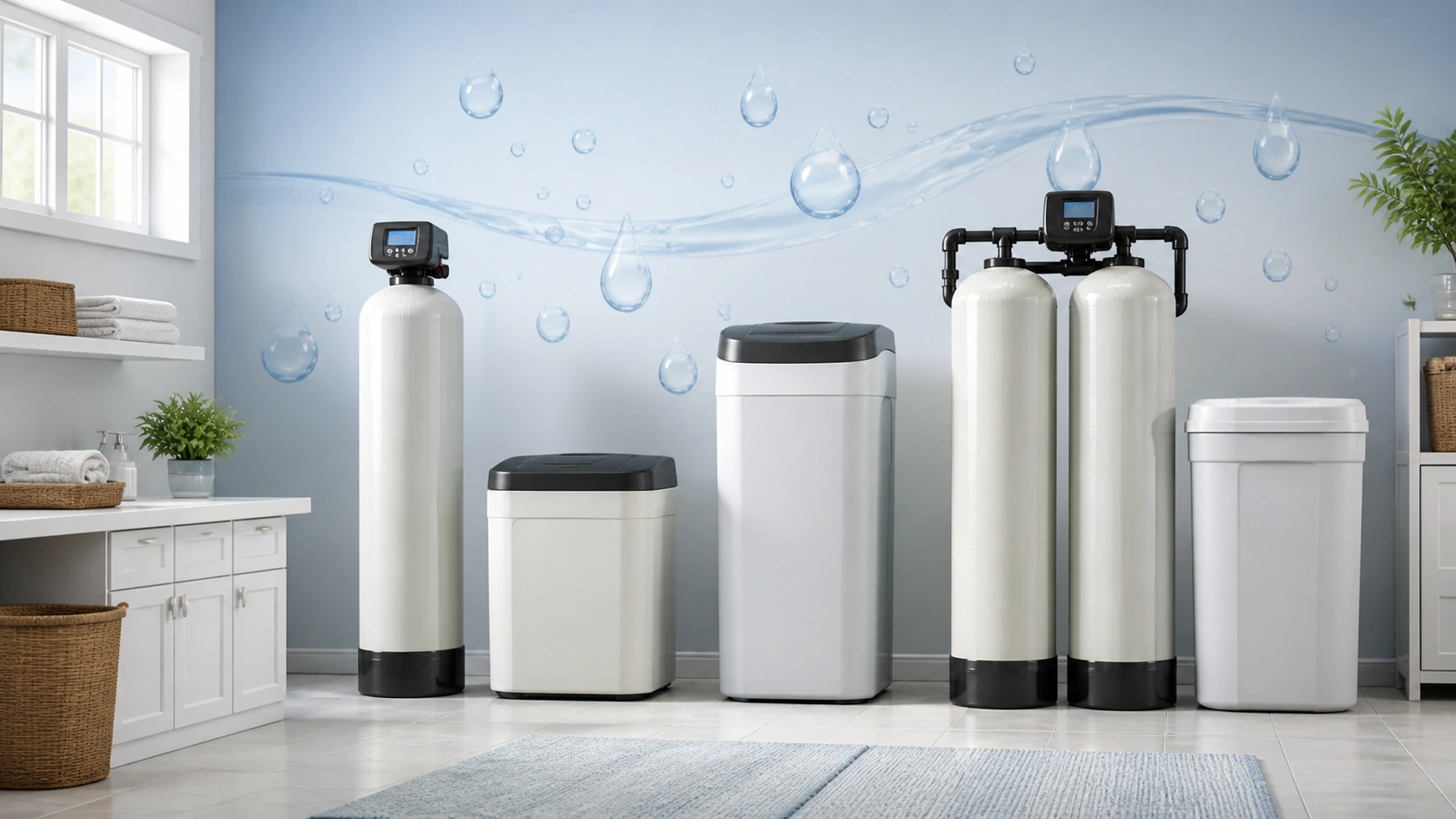
Let’s be honest—nobody dreams about picking a water softener. It’s not like choosing a new couch or planning a vacation. But if you’ve ever stepped out of a shower feeling like you’re wearing a film of chalk, or scrubbed a glass until your arm hurts, you know the struggle is real. Hard water is that sneaky troublemaker that leaves your hair flat, your dishes spotty, and your pipes grumpy.
Think of it this way: hard water is like that friend who always shows up uninvited and leaves a mess. It’s packed with calcium and magnesium, which cling to everything like glitter at a craft party. A water softener is the polite bouncer that kicks those minerals to the curb. You deserve water that actually makes your soap lather instead of fighting it every step of the way.
Why should you care? Let’s get real.
Remember that weird white crust on your faucet? Or the way your laundry feels stiff, no matter how much fabric softener you dump in? That’s hard water stealing your joy. A good softener saves your appliances from early retirement—your water heater, washing machine, and dishwasher will thank you. It also saves your skin, because dry, itchy after-shower skin is nobody’s idea of a good time.
Must Read
Plus, imagine your morning coffee. Hard water can make it taste flat or bitter, like it’s having a bad day. Soft water? It’s like giving your coffee a tiny spa treatment. Your kettle will stop looking like a science experiment, and your silverware will actually shine. That’s the kind of win we can all get behind.
First, know your water’s personality.
You wouldn’t buy shoes without knowing your size, right? Same here. Grab a simple water test kit from a hardware store or send a sample to a lab. It’ll tell you how hard your water is on a scale from “meh” to “yikes.” Most homes fall between 7 and 15 grains per gallon, but if you’re above that, you’ll need a bigger system.
Funny story: my friend Sarah tested her water and found it was harder than a week-old bagel. She’d been blaming her shampoo for her frizzy hair, but it was the water all along. Knowledge is power, and in this case, it’s also fluffy hair.
Size matters—literally.
Water softeners come in different sizes based on how much water your household uses. A tiny unit for a couple’s apartment won’t cut it for a family of five with two teenagers who take thirty-minute showers. Calculate your daily usage: multiply the number of people by about 80 gallons per day, then check the softener’s grain capacity.
Don’t overthink it—most brands have simple charts. But if you go too small, you’ll be refilling salt like it’s a part-time job. Too big, and you’re wasting money and space. Goldilocks had the right idea: get the one that’s just right.
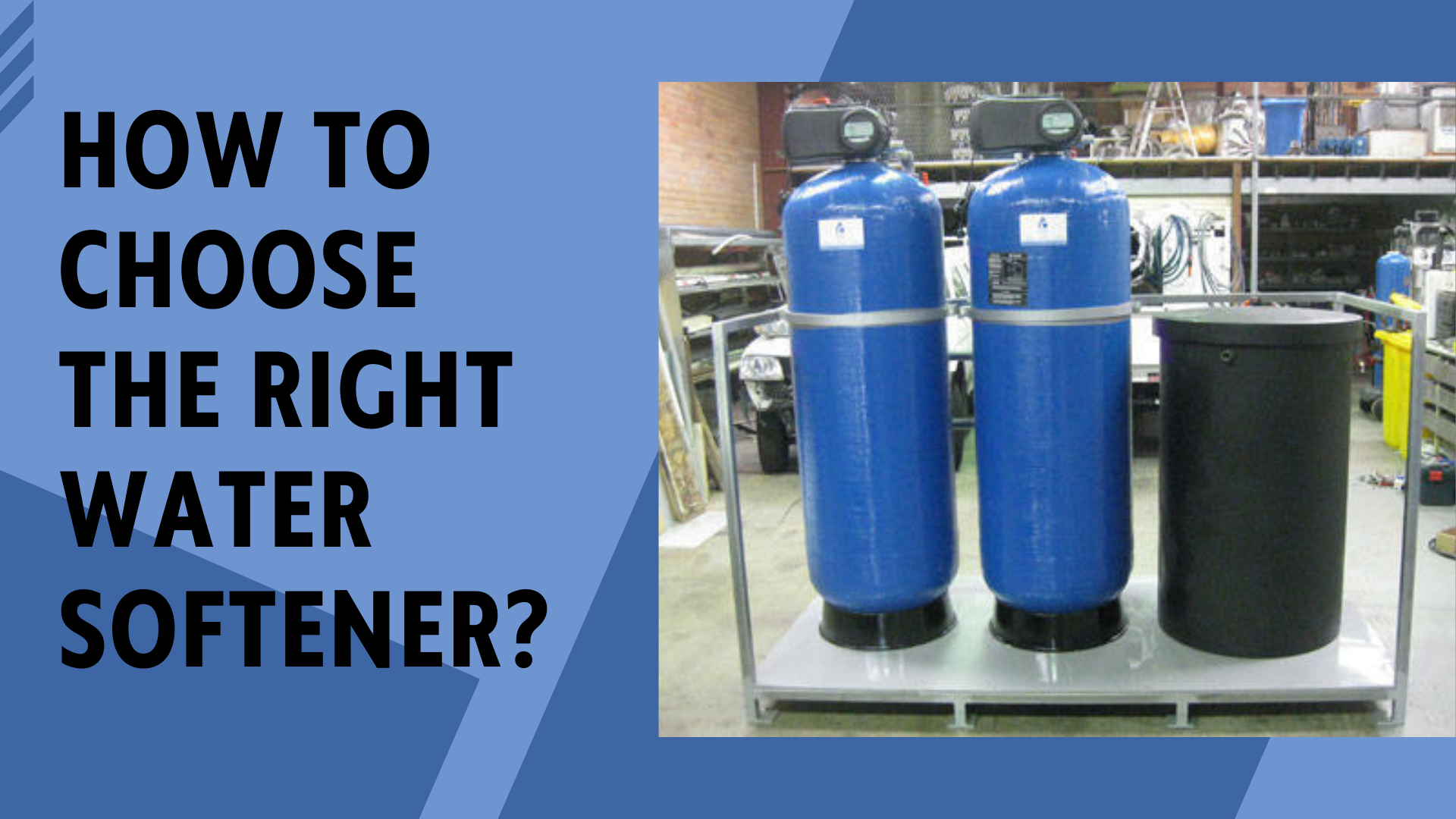 How to Choose the Right Water Softener? (Fulfill Needs) - CharlieTrotters
Salt-based vs. salt-free: the great debate.
Salt-based softeners are the classic heroes. They swap hard minerals for sodium, giving you that silky, slippery feeling in the shower. They’re super effective, but they need electricity and regular salt refills. They’re the workhorses—reliable, but they ask for a bit of attention.
Salt-free systems (also called conditioners) don’t actually remove minerals—they change their shape so they don’t stick to things. They’re low maintenance and great for eco-conscious folks, but they don’t give that “slidey” water feel. Think of it like a gentle nudge versus a full-on eviction. Pick based on your priorities: softness or simplicity.
Think about flow rate and regeneration.
Flow rate is how much water the softener can handle at once. If you’re running the dishwasher and taking a shower, you don’t want the system to choke. A general rule: aim for 10-12 gallons per minute for a typical home. Also, check how the system regenerates—some do it on a timer, others only when needed. Metered systems are smarter and waste less water and salt.
I once visited a friend whose softener regenerated at 2 a.m. every night, like a grumpy neighbor. The noise woke her up constantly. Look for a system with quiet regeneration or a timer you can set—your sleep is precious.
Don’t forget the salt and maintenance.
Salt comes in different forms: pellets, crystals, or blocks. Pellets are the easiest, especially if you get ones with rust remover. You’ll need to check the brine tank every month or so. It’s not rocket science—just lift the lid, peek inside, and add salt if it’s low. Think of it like feeding a friendly pet that never barks.
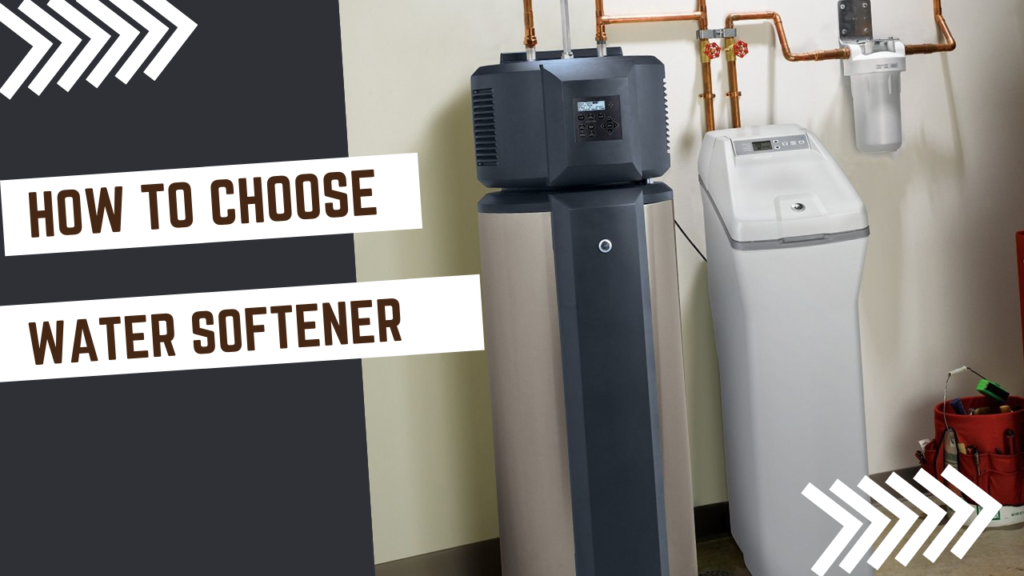 How to Choose a Water Softener for Regular Use? (Useful Tips & Guide
Some systems have fancy features like Wi-Fi monitoring or self-cleaning. Those are nice, but not essential. Start simple, and you can always upgrade later. Your grandma survived without a smart fridge, and you’ll survive without a smart softener.
Budget: cheap vs. value.
You can find a softener for under $400, but you might get what you pay for—plastic parts that crack or controls that glitch. A mid-range system ($600–$1,200) usually offers solid performance and a decent warranty. Brands like Fleck, Rheem, or Whirlpool are reliable and easy to get parts for. Think of it like buying a good pair of jeans: spend a bit more, and they’ll last years.
Also, consider installation costs. If you’re handy, you can DIY, but hiring a pro cost around $150–$300. Don’t let a small upfront saving lead to big headaches later. I once saw a guy install his own and accidentally flood his basement—worth every penny to hire help.
Final little tips from a friendly neighbor.
Read reviews, but take them with a grain of salt—pun intended. Look for patterns, not one-off rants. Check the warranty length—five years is great, ten years is golden. And always measure your space before buying; softeners aren’t tiny, and you don’t want to play Tetris in your utility closet.
Finally, remember this: picking a water softener isn’t about being fancy. It’s about making your daily life a little smoother, your showers a little silkier, and your coffee a little tastier. You’re not just buying a machine—you’re buying back your sanity one spotless glass at a time. Now go make your water behave.
