How To Bypass Water Softener

So, you’ve got a water softener. Congratulations, you’re the proud owner of a glorified salt-eating brine-tank that turns your tap water into the silky, soap-slick stuff that...
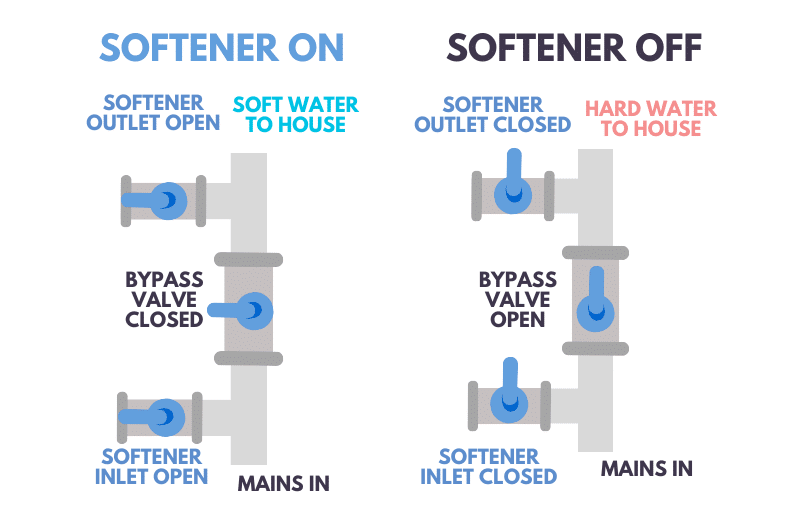
So, you’ve got a water softener. Congratulations, you’re the proud owner of a glorified salt-eating brine-tank that turns your tap water into the silky, soap-slick stuff that makes your shower feel like you’re bathing in a cloud of regret. But maybe—just maybe—you don’t always want soft water. Maybe you want a little mineral crunch in your morning coffee or a garden that doesn’t look like it’s been watered with a salt-lick.
The Great Bypass Conspiracy
Here’s the hilarious truth: most water softeners already have a bypass valve built right into them. It’s that little plastic knob or lever that looks suspiciously like a toy from a kid’s plumbing set. Flip it, and bam—you’re now drinking the same hard water that your grandparents used to curse at. It’s like finding out your “no-sugar” soda actually has a secret sugar switch.
But what if your softener is an ancient beast, installed in 1985 by a guy named “Cletus” who only used duct tape and prayer? Then you need the DIY bypass—a ritual that involves a bucket, a garden hose, and a surprising amount of swearing. Just connect a hose to the pipe before the softener and run it straight to your outdoor spigot. Congratulations, you’ve just invented the “Lawn Sprinkler of Rebellion.”
Must Read
Why Would You Even Do This?
Let’s talk about coffee. Soft water makes for flat, sad coffee because it lacks the calcium and magnesium that bring out flavor. According to a 2019 study by the Specialty Coffee Association, hard water actually extracts more aromatic compounds. So, bypassing your softener for your morning brew isn’t just quirky—it’s science. And if you’re a tea snob, hard water makes that perfect “scummy film” on the surface that British people call “proper.”
Then there’s your fish tank. Soft water is basically a death sentence for goldfish, who need minerals to regulate their osmotic pressure. Without a bypass, your fish will start looking like they’re auditioning for a zombie movie. I once tried keeping a betta in soft water, and it spent the week giving me the fish equivalent of the side-eye.
The “Stealth Bypass” for Renters
If you’re renting and your landlord installed a softener that’s harder to bypass than a toddler with a cookie jar, here’s your move: buy a “Y-connector” from the hardware store for five bucks. Screw it onto your kitchen faucet’s cold water line, and you’ve got a separate hard-water spigot. It’s like building a secret passage in your own kitchen. Just don’t tell the landlord you’re “ruining” the softener’s vibe.
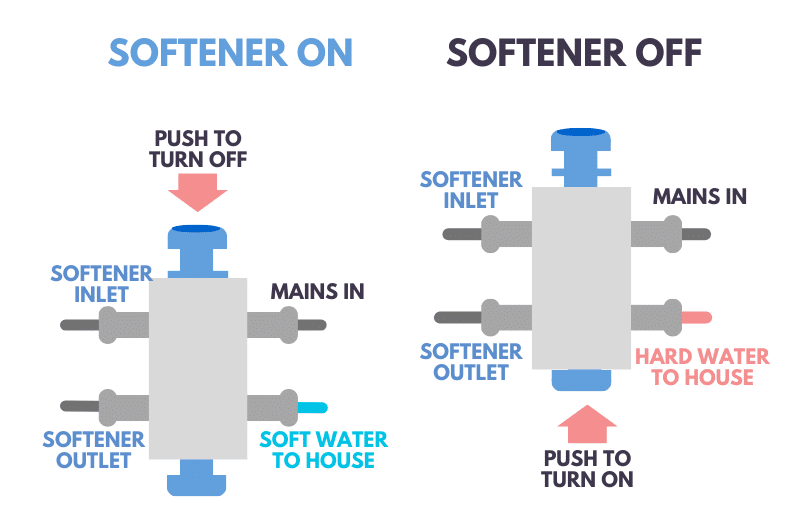 How to Bypass a Water Softener (Diagram Included)
The hilarious irony? Many modern softeners have a “bypass mode” that you can activate by turning a single screw. I once did this at a friend’s house, and their espresso machine went from “meh” to “holy crap, this tastes like a Tuscan volcano.” They accused me of witchcraft. I just smiled and said, “It’s not magic—it’s geology, you heathen.”
The “Emergency Bypass” (Do Not Try This at Home… Seriously)
Look, I have to include the stupid idea so you don’t actually try it. Some internet geniuses suggest unscrewing the brine tank and feeding the water line directly into your pipes. Do not do this. You’ll flood your basement, create a geyser that rivals Old Faithful, and possibly electrocute yourself on your water heater. I’m not saying this from experience. Okay, I am saying this from experience. My carpet still smells like a salt marsh.
Instead, invest in a “bypass valve kit”—twenty bucks, ten minutes to install. It’s the adult version of putting a straw in a juice box, except the juice box is your plumbing, and the straw is made of brass. You’ll feel like a plumber god, and your plants will actually grow leaves that don’t look like they’re crying.
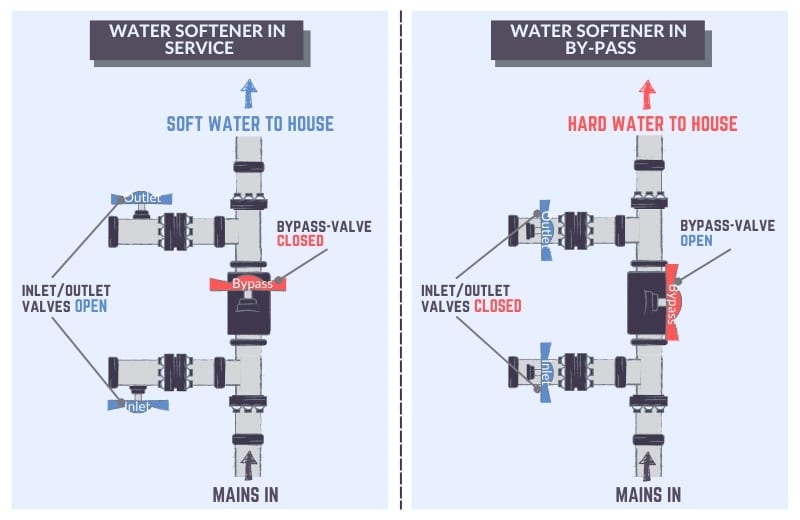 How to Bypass a Water Softener (Diagram Included)
The Surprising Fact That Will Make You Sound Smart at Parties
Here’s a jaw-dropper: hard water isn’t actually “hard” in the sense of being tough. It’s soft in the sense that it’s full of dissolved calcium and magnesium, which are basically rocks that your body needs. Your bones are basically limestone. So by bypassing your softener, you’re giving your skeleton a little high-five. The World Health Organization even noted that drinking very soft water could increase your risk of heart disease because you’re missing those minerals. Scared yet? You should be. Go drink some tap.
Also, did you know that 75% of U.S. households have hard water? That means most of the country is drinking the good stuff, while you’re sipping salt-water-adjacent. Bypass that softener, and you’re suddenly part of the majority. It’s like being a hipster who finally realizes that being mainstream is actually pretty convenient.
The Final (Slightly Unhinged) Tip
If all else fails, just disconnect your water softener from the power source and run the water through a Brita filter. Yes, it’s cheating. Yes, it’s inefficient. But it’s also a form of protest—against the tyranny of “perfectly balanced” water. You’re not just bypassing a machine; you’re bypassing the idea that everything needs to be controlled. You are the wild, mineral-rich maverick of your own kitchen.
So go ahead. Flip that valve. Screw that Y-connector. Let the hard water flow like the angry, delicious river it is. And if anyone asks, just tell them you’re conducting a scientific experiment on flavor. Or that your fish unionized. Either way, they’ll be too confused to argue.
