How To Fix Orange Well Water

Ever turned on your tap and felt like you’d just moved into a pumpkin patch? That rusty, orange-tinted water isn't exactly inviting, is it? Don't worry, you're not alone, and...
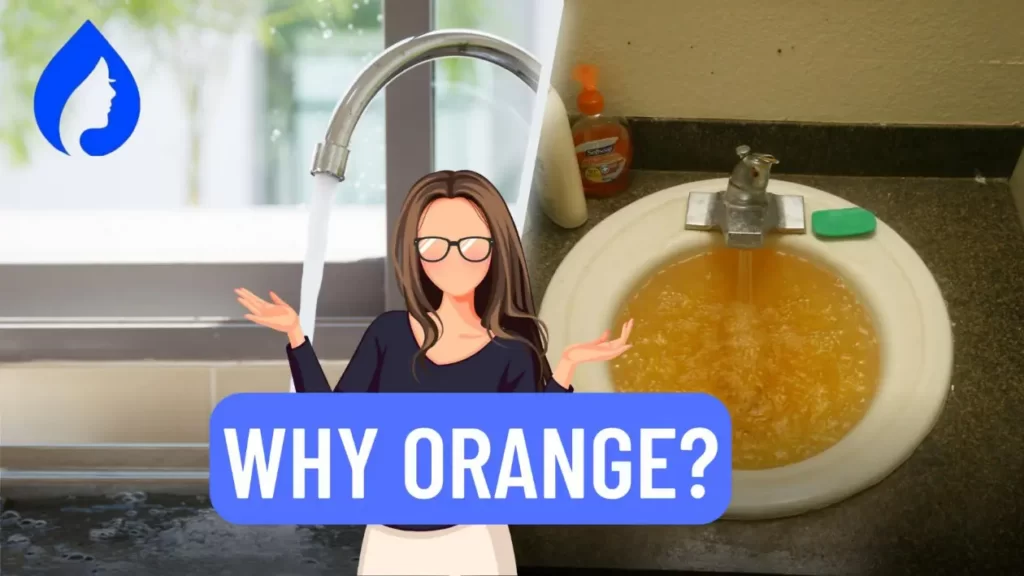
Ever turned on your tap and felt like you’d just moved into a pumpkin patch? That rusty, orange-tinted water isn't exactly inviting, is it? Don't worry, you're not alone, and it's actually a pretty common—and fixable—puzzle.
Think of it like your well water decided to cosplay as a sunset. The culprit is usually iron, sometimes from old pipes, but mostly from the natural soil around your well. It's not toxic, but it stains sinks, ruins laundry, and tastes like you're slurping a metal spoon.
Why Is My Water Wearing Halloween Colors?
Iron is a mineral that’s totally normal in groundwater, but when it meets oxygen (like from the air), it oxidizes—just like a cut apple turning brown. The deeper the orange, the more iron you're dealing with.
Must Read
There are two main types: ferrous iron (clear water that turns orange after sitting) and ferric iron (already rusty particles). It’s like the difference between a ghost and a goblin—one you can't see until it acts up, the other is already throwing a party in your glass.
Step One: Test, Don't Guess
Before you buy any fancy gadgets, grab a water test kit from a hardware store or send a sample to a lab. You need to know not just the iron level, but also your water’s pH and hardness.
Why does pH matter? Because acidic water dissolves iron faster, turning your well into a personal iron smoothie. A simple test strips away the mystery—and saves you from buying the wrong fix.
Step Two: Pick Your Potion (Filtration Options)
If your iron is low (under 3 parts per million), a simple water softener might do the trick. Softeners use salt to swap iron for sodium—kind of like a chemical trade deal. But if your water is already pretty hard, you might need a buddy system with a sediment filter.
 Kitchen Archives - CozyHouze.com
For higher iron levels (3-10 ppm), you’ll want an iron filter. These use media like greensand or Birm to grab the iron before it reaches your tap. It’s like setting up a security gate for your pipes.
And if your water smells like rotten eggs too? That’s sulfur plus iron—a classic duo. You’ll need an aeration system that injects air to oxidize both nasties. Imagine bubbling air through your water like a fish tank, but for cleaning, not fish.
DIY vs. Calling the Pros
Some fixes, like replacing a filter cartridge or cleaning an aerator, are totally doable with a YouTube video and a wrench. But whole-house systems often need professional installation—especially if you’re dealing with digging or plumbing changes.
Nothing says "I’ve got this" like accidentally flooding your basement, right? When in doubt, hire a well specialist. They can also check if your well screen or pump is the actual source of the rust.
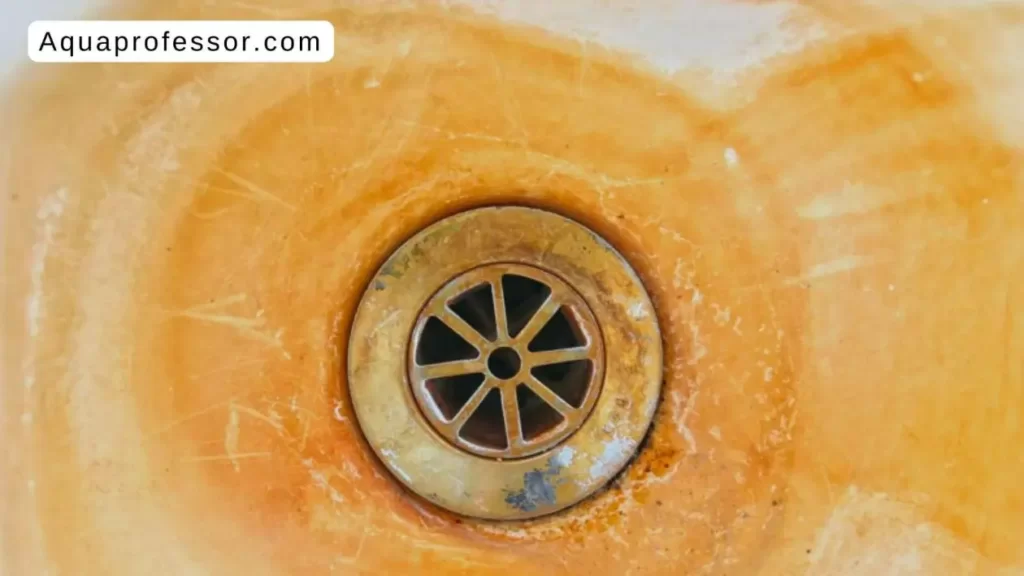 Why Is My Well Water Orange? (4 Simple Solutions)
Maintenance: Keep the Orange Away
Once you’ve installed a fix, don’t just forget about it. Filters need regular backwashing (flushing out the trapped gunk) or you’ll end up with a clogged system that’s lazy as a cat on a couch. Monthly checks on your salt levels or media bed can save you from surprise orange rainstorms.
Bacteria can also make iron worse—some microbes actually eat iron and leave a slimy orange residue. If testing shows bacteria, you might need shock chlorination (bleaching the well) first. It’s like a spa day for your well, but with chemicals.
The Cool Part
Fixing orange water is satisfying because it’s a visible victory. One day you have rusty sinks, the next you’re pouring a crystal-clear glass of water that tastes like, well, nothing. That’s the goal, right?
Plus, you’ll save your white shirts from turning pink and your toilet bowl from looking like a Martian landscape. Imagine never scrubbing rust rings again—that’s a win for your weekend.
So before you move mountains or dig a new well, remember: a little science, a test kit, and the right filter can turn that pumpkin back into a carriage. Curious yet? Grab a test today and see what your water’s really made of.
