Why Is My Bath Water Yellow

You step into your bath, ready to dissolve into a puddle of serenity, only to find the water looks like it was brewed in a giant, suspicious tea bag. The panic sets in. Is you...
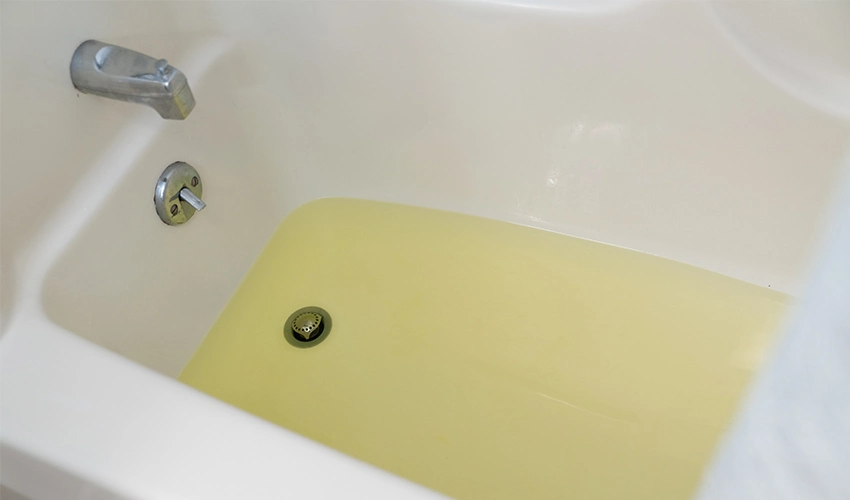
You step into your bath, ready to dissolve into a puddle of serenity, only to find the water looks like it was brewed in a giant, suspicious tea bag. The panic sets in. Is your plumbing haunted? Did a bottled-up river of lemonade finally burst? Before you call an exorcist or a plumber mid-heart attack, take a breath. That golden hue is usually less "chemical spill" and more "mineral mixology."
The Usual Suspect: Iron (Not a Villain, Just a Stain)
Most of the time, yellow bath water is the handiwork of iron, a naturally occurring mineral that loves to crash your clean party. When your water sits in the pipes or the water heater for a bit, the iron oxidizes—think of it as the water version of rust, just less aggressive and more aesthetically confusing. This is especially common if you’re on well water, because wells are basically iron’s favorite nightclub.
Don’t panic: this isn’t dangerous. Your bathtub isn’t a science experiment gone wrong. It’s just the iron bonding with oxygen, creating that lovely shade of “dull sunset.”
Must Read
But Wait, What About the City Water?
Even if you’re sipping from the municipal water supply, yellow can still happen. City water plants do clean your water, but distribution pipes are often old, creaky, and made of iron or steel. When they break or get replaced (a fancy word: “water main flushing”), a surge of rust particles can temporarily turn your bath into a realistic desert oasis.
Think of it as your pipes having a tiny, harmless sneeze. You’ll get a nice, clean filtered version tomorrow. Unless you live in a town where the pipes are older than your grandma’s wisdom—then you might want to flush the cold water for a minute before heating it up.
The Sneaky Culprit: Manganese and Tannins
If the water is more pee-in-a-snowbank yellow than rusty orange, you might have manganese in your water. It acts like iron’s moody cousin, showing up as a darker, almost tea-like stain. It’s common in groundwater and totally fine to bathe in—though it can leave a brownish ring that makes your tub look like it’s wearing eyeliner.
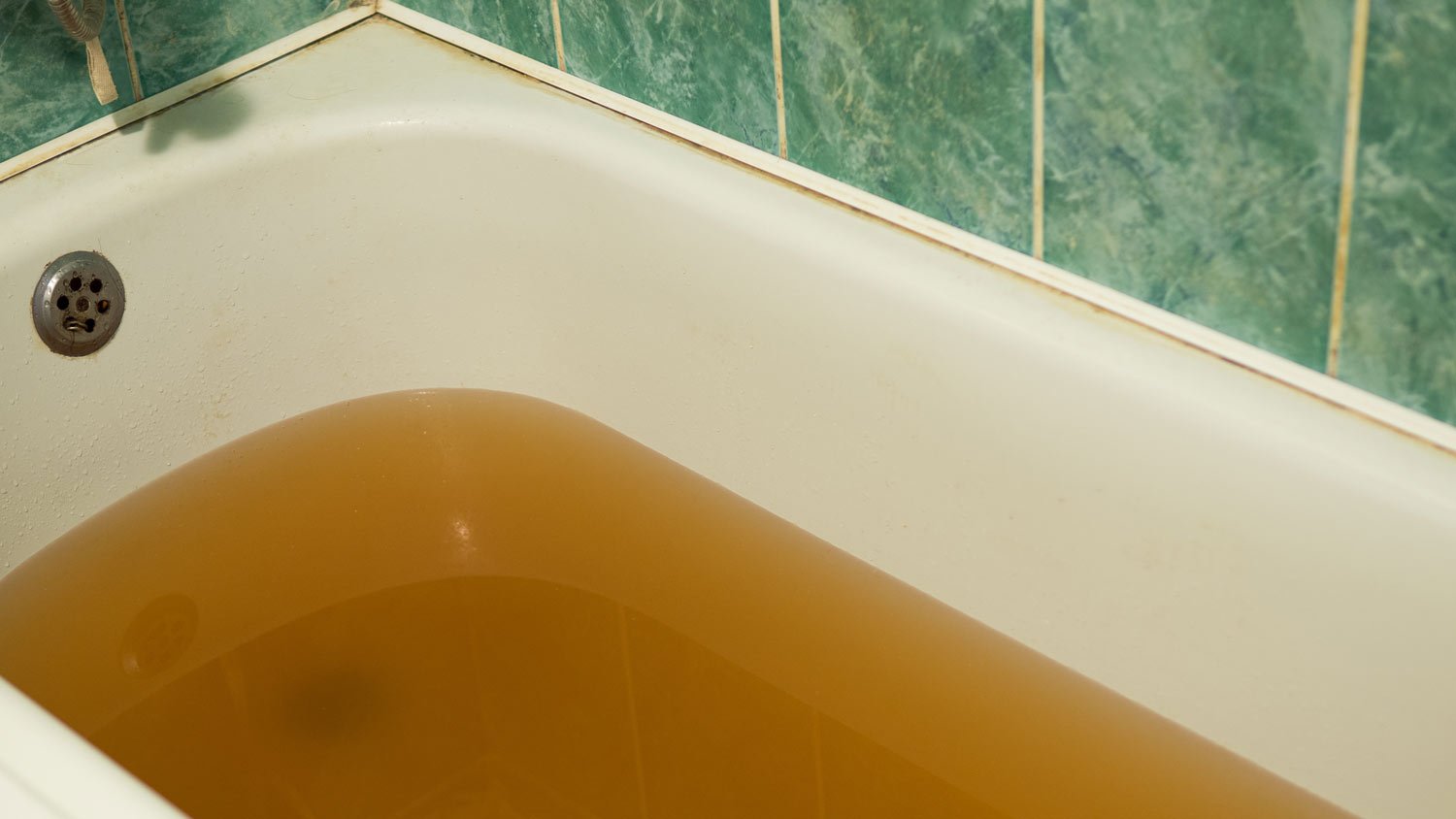 Why Is My Bath Water Yellow? | Angi
Then there are tannins. These are natural organic compounds from decaying vegetation—leaves, roots, ancient tree ghosts—that seep into groundwater. They turn the water amber, like a very weak whiskey. If you live near a swamp or a forest, your water might just be telling you it’s got a rustic, earthy character. Gross? No. Instructional? Yes: you’re bathing in forest tea.
What About the Water Heater? (The Hot Water Plot Twist)
Here’s the game-changer: if your bath water is only yellow when it’s hot, but crystal clear when cold, you need to side-eye your water heater. Sediment—mostly calcium and the aforementioned iron—settles at the bottom of your heater tank like a lazy teenager. When the heater kicks on, it stirs that sludge up and sends it straight into your tub.
Flushing your water heater annually is the solution. It’s like giving your heater a colonic. If you haven’t done it in five years, your water might be coming out the color of a bad beer. Don’t do it yourself unless you know what you’re doing—water heaters can explode if you drain them wrong. Yes, really. That’s a fun fact you didn’t expect today.
When It Might Be a Problem (But Probably Isn’t)
Rarely, yellow water can hint at corroding copper pipes (which makes water look blue-green, not yellow—but dye it with rust, and you get a weird olive). Or it could be a sign of a failing water softener that’s dumping too much salt into your system. But most people’s yellow water is just aesthetic.
 Why Is My Bath Water Yellow? | Angi
If your water smells like rotten eggs alongside the yellowness, that’s sulfur bacteria—a different beast entirely. That’s not just a color problem; that’s a breath of a thousand decaying animals problem. At that point, please call a professional before your bathroom becomes an exorcism set.
The Surprising Truth: It’s Usually Harmless
Here’s the twist: the EPA allows a certain amount of iron and sediment in drinking water because it’s mostly harmless. You can bathe in it, you can wash your hair (though it might turn blonde hair a bit brassy—ask any swimmer with chlorine issues), and you can absolutely relax. The only real downside is staining your white towels with that rustic look.
So, is your bath water yellow? Congratulate yourself: you’re taking a soak in a naturally sourced, mineral-rich spa. It’s not a health crisis; it’s a character-building experience. Add some Epsom salts, light a candle, and pretend you’re bathing in a mountain spring—just one that’s been filtered through a thousand-year-old iron deposit.
And if it really bugs you, install a whole-house iron filter. It’s cheaper than a therapist and more effective than pretending you’re not seeing the color of cheap American lager in your bathwater. Now go enjoy your golden hour.
