Does Zero Water Remove Pfas

We’ve all seen the headlines: PFAS, the “forever chemicals,” lurking in our tap water, linked to everything from high cholesterol to certain cancers. It’s enough to make you s...

We’ve all seen the headlines: PFAS, the “forever chemicals,” lurking in our tap water, linked to everything from high cholesterol to certain cancers. It’s enough to make you stare at your glass of water with a mix of suspicion and resignation. But before you swap your H2O for a lifetime supply of artisanal kombucha, let’s talk about a popular solution: the Zero Water pitcher. Does it actually kick PFAS to the curb, or is it just another sleek countertop ornament?
The Short Answer: Yes, But With a Caveat
The good news, straight out of the gate: Zero Water filters are officially certified to reduce PFAS, including the two most notorious types, PFOA and PFOS. Independent testing by organizations like the Water Quality Association (WQA) backs this up, showing a reduction rate of over 99%. That’s the kind of statistic that makes you want to do a little happy dance by the sink—just mind the spill.
But here’s the kicker: certification is one thing; daily reality is another. Your filter’s performance depends on how much crud is in your local water and how often you actually change the cartridge. Think of it like a superhero whose powers fade if they skip their training—the filter works hard until it simply can’t anymore.
Must Read
How the Magic (Sort of) Works
Zero Water uses a five-stage filtration system that includes ion exchange, a process that swaps charged contaminants for hydrogen and oxygen. It’s a bit like a chemical sous-chef, swapping out the bad ingredients for good, clean ones. The result is water with a Total Dissolved Solids (TDS) reading of zero, which is why they call it Zero Water—it’s that simple.
For PFAS specifically, the activated carbon and special resin in the filter act like a molecular magnet. They latch onto those persistent Teflon-like chains and yank them out of your drinking water. It’s not a tweak—it’s a full-on eviction.
But Wait—Is It Perfect?
Let’s get real for a second. No home filter—not even the fancy under-sink models—removes 100% of all PFAS variants. Short-chain PFAS, which are smaller and more slippery, are tougher to trap. Zero Water does well, but if you’re worried about every single type, you’re looking at a reverse osmosis system or a distiller, which is basically the heavy artillery.
A fun little fact: the number of PFAS chemicals exceeds 12,000. That’s more than the number of emoji options on your phone, and they’re way less fun. Zero Water’s certification covers the most tested ones, but it’s not a silver bullet for the entire alphabet soup of forever chemicals.
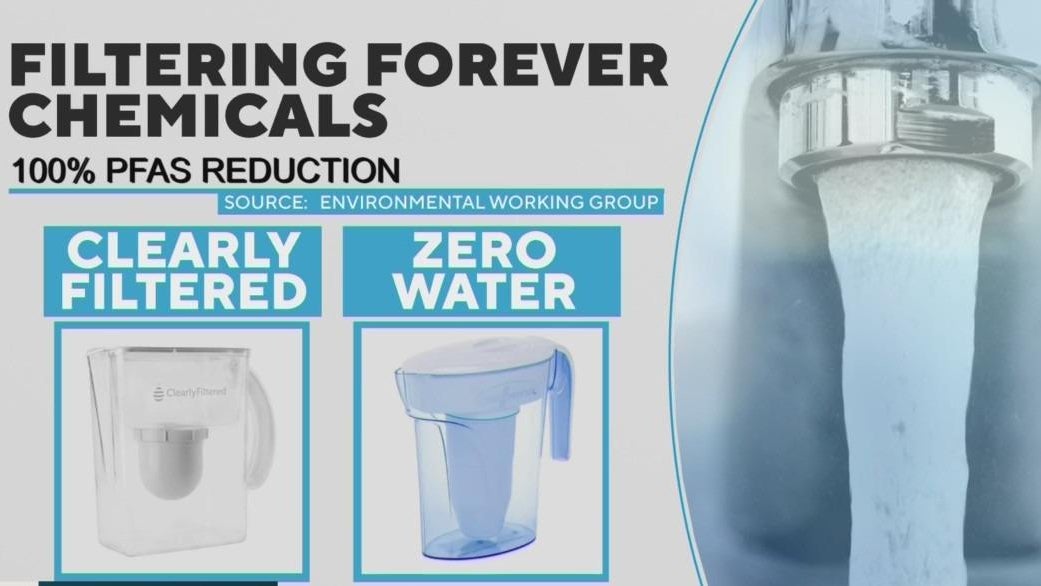 Best water filters for PFAS chemicals - CBS Philadelphia
The Practical Tips for Maximum PFAS-Busting
Want to get the most out of your Zero Water pitcher? Change the filter on time—the meter built into the device is your best friend. Once that TDS reading starts creeping up, the filter is tapped out, and those chemicals might slip right through. Don’t be a hero; swap it every 15 to 30 gallons, or when you notice a “funk” in the taste.
Also, keep the pitcher clean. Bacteria love a damp, dark filter housing, and while the filter kills some stuff, a quick weekly rinse of the pitcher with soapy water keeps things cozy for you, not for the bio-film. And for the love of all things hydrating, use cold or room-temperature water—hot water can damage the filter’s internal structure.
The Cultural Lowdown: Why We’re All Obsessed
This PFAS panic isn’t new, but it’s hitting the mainstream hard. Remember when everyone freaked out about BPA in plastic bottles in the 2000s? Or when TikTok decided vodka-soaked grapes were a health hack? PFAS is the new, scarier cousin of those trends—except this time, the science is real. The EPA is finally cracking down, setting limits that have everyone from Manhattan to Mississippi checking their filters.
There’s even a darkly funny element: we’re all willingly paying for plastic pitcher filters to remove chemicals that came from non-stick pans and rain jackets. It’s the circle of consumer life—solved a problem yesterday, created a solution today. Welcome to modernity.
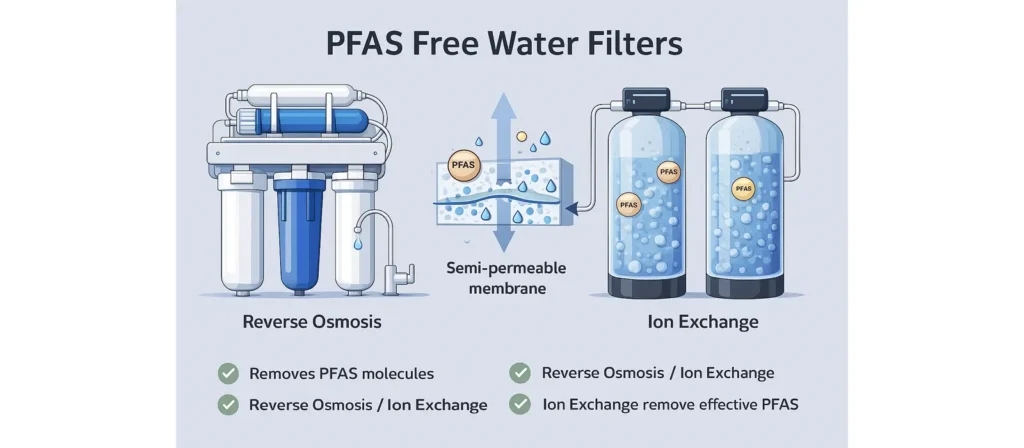 What Is PFAS Free?
Real Talk: Is Zero Water Worth It for You?
If you drink tap water daily, and you live in an area known for PFAS contamination (look up your local water reports online—yes, it’s a thing), Zero Water is a solid, affordable upgrade. It’s way better than buying single-use plastic bottles, and it’s cheaper than a mounted under-sink system. The upfront cost is roughly $35 for the pitcher, and filters run about $10–$15 each—less than a lunch out.
But here’s a cultural reality check: if your water is already fine, testing low on TDS, and you’re not in a PFAS hotspot, this filter might be overkill. It could also make your water taste a little “flat” because it strips out everything, including beneficial minerals. Some people love that; others miss the subtle minerality of good spring water. It’s a trade-off, like choosing a clean-shaven face over a five o’clock shadow.
The Fun Little Fact
Here’s a weird one: Zero Water filters can remove even the fluoride that many municipalities add for dental health. That means if you’re a parent who wants cavity protection, you might want to reconsider or alternate with un-filtered tap. It’s a reminder that “zero” can sometimes mean losing the good stuff along with the bad.
A Short Reflection, Served Room Temperature
In the end, deciding whether Zero Water removes PFAS is less about science and more about peace of mind. We can’t control everything in our environment—the PFAS in our raincoats, the microplastics in our fish, the stress in our inboxes. But we can control what goes into our glass. That’s the quiet power of a simple lifestyle choice: a filter, a pitcher, a daily ritual that says, “I’m paying attention.”
So go ahead, fill that pitcher. Let it filter overnight. Take a sip, and feel the quiet satisfaction of turning a potential worry into a simple, clean act of care. And if you spill a little on the counter? That’s okay. No filter can fix a clumsy moment—but that’s a problem for tomorrow’s paper towels.
