What Is Carbonation In Soda

Have you ever cracked open a cold can of soda and wondered what makes that magical fizz? You’re not alone—it’s a tiny science party happening right under your nose. And trust...
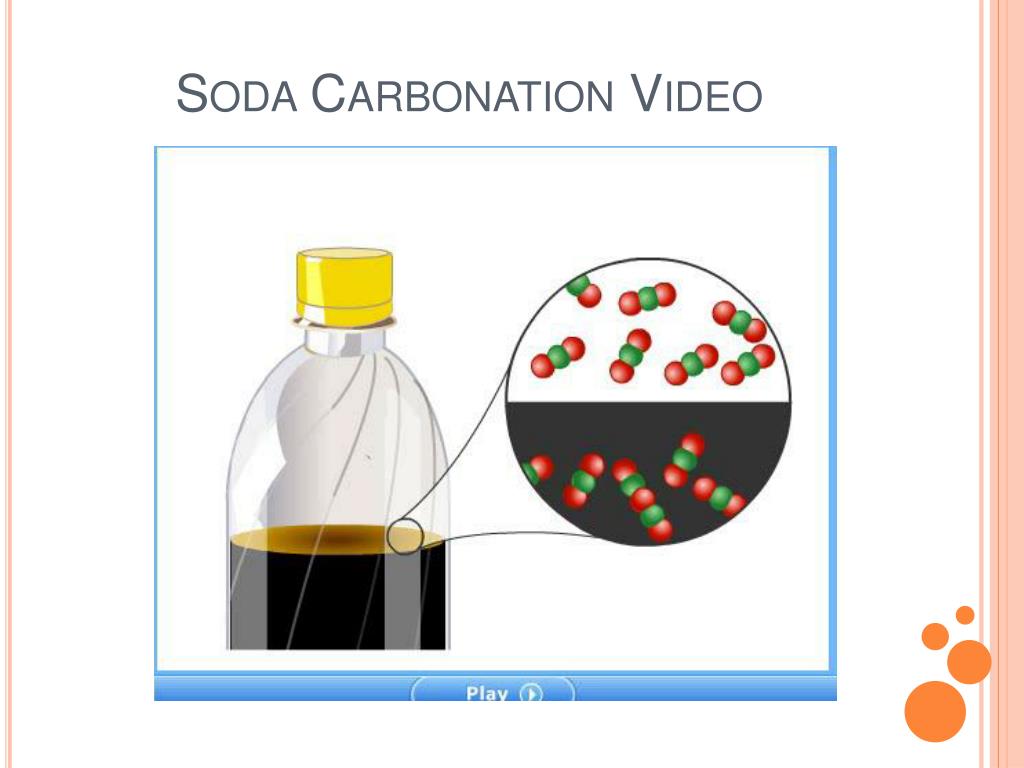
Have you ever cracked open a cold can of soda and wondered what makes that magical fizz? You’re not alone—it’s a tiny science party happening right under your nose. And trust me, once you know the secret, that next sip will feel even more exhilarating.
The Simple Secret: A Gas in Disguise
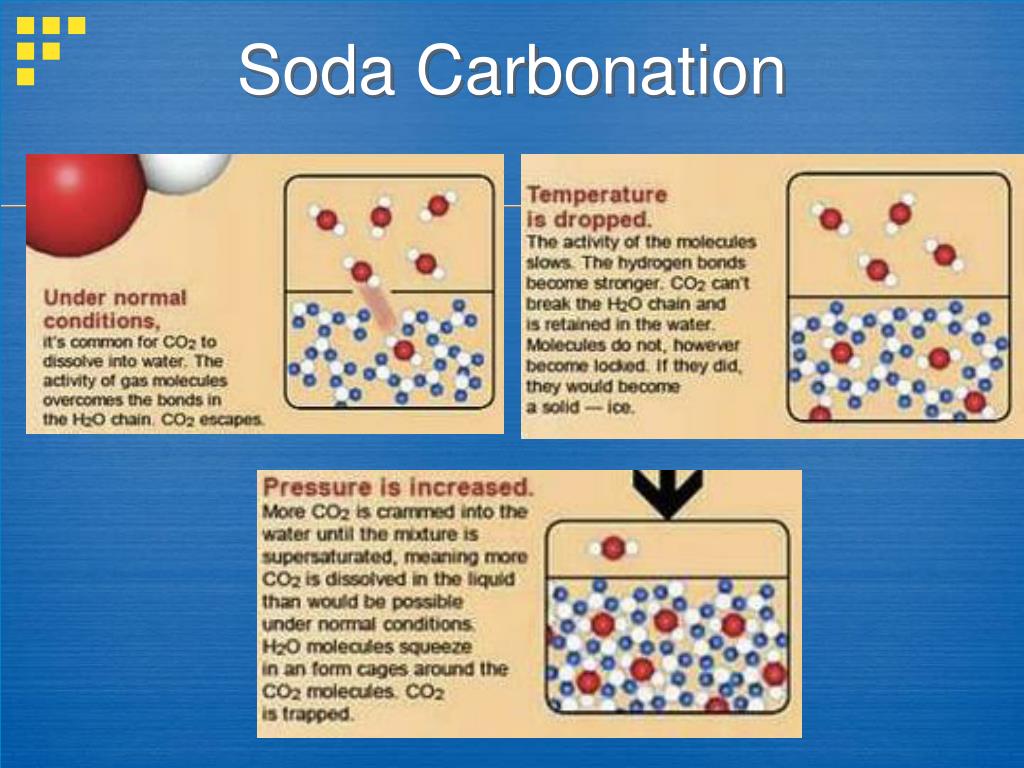
Carbonation is simply carbon dioxide gas (CO2) dissolved into water under pressure. When the bottle is sealed, that gas is forced to stay put, like a crowded elevator full of bubbles. Open the lid, and whoosh—the pressure drops, and the CO2 escapes as those glorious, tickly bubbles.
This process is called carbonation, but it’s really just science pretending to be magic. The bubbles aren’t alive, but they sure act like they’re excited to see you!
Must Read
Why Does It Taste So… Alive?
Here’s the fun part: those bubbles don’t just look cool—they tickle your tongue and change how you taste. When CO2 hits your mouth, it turns into a tiny amount of weak carbonic acid, which gives that sharp, zingy sensation.
Your brain reads this as a fresh, crisp excitement, which is why soda feels so much more invigorating than plain water. It’s like a gentle internal alarm clock for your taste buds—wake up, everyone, fun is coming!
The "Pop" That Makes Life Fun
Think about it: soda is one of the few drinks that announces its arrival with a dramatic pop or a hiss. That sound is the pressure relief valve of your day, a tiny celebration of refreshment. You can even make your own sparkling water at home with a soda maker—how cool is that?
 Carbonated Drinks Room Temperature at Megan Jackson blog
The fizz turns an ordinary moment—like folding laundry or watching a movie—into a mini-event. It’s a playful pause in your routine, a reminder that everyday life can still have bubbles of joy.
Carbonation Is a Team Player
Carbonation doesn’t work alone; it partners with sweetness and acidity to create the perfect drink. That’s why cola, lemon-lime, and root beer all feel different, even though they share the same bubbles. The carbonation lifts the flavors up to your nose, letting you smell the hint of vanilla or citrus before you swallow.
Without the fizz, soda would just be flat syrup—boring. With it? It’s a symphony of chemistry that makes your brain go, “Yes, please!”
 PPT - Aim: Using Table F to Predict Solubility PowerPoint Presentation
A Few Fun Facts to Geek Out Over
Did you know that carbonated water was first invented in the 1760s by a guy named Joseph Priestley? He hung a bowl of water above a beer vat and let the bubbles fall into it—sounds like a mad scientist’s snack, right? Also, the bubbles in a soda rise at about 30 feet per second, so they’re racing to greet you!
And here’s a pro tip: if you want to keep your soda extra fizzy, screw the cap back on tight and store it in the fridge. Cold liquid holds more CO2, which means more fizz for your next sip.
The Uplifting Note: Embrace the Fizz
So the next time you hear that satisfying pop, smile. You’re not just drinking soda—you’re letting a little bit of physics and chemistry put a pep in your step. Carbonation is proof that even the smallest, silliest things in life (like bubbles) can make a huge difference.
Learning about the world around you doesn’t have to be dry and academic—it can be sparkling. Go ahead, take a sip, and feel inspired to explore the fizzy, bubbling wonder of everyday science. Your life just got a little more bubbly—and that’s a beautiful thing.
