What Is A Soft Water System

So, you’ve heard someone mention a “soft water system,” and now you’re picturing a giant waterbed that gives warm hugs. I get it. Let’s clear that up right now: it’s nothing l...
So, you’ve heard someone mention a “soft water system,” and now you’re picturing a giant waterbed that gives warm hugs. I get it. Let’s clear that up right now: it’s nothing like that. A soft water system is basically a superhero for your plumbing, fighting the evils of hard water one mineral at a time.
Hard water is the villain in this story. It’s packed with calcium and magnesium, which sounds healthy, right? Well, it loves to leave crusty white deposits on your faucets, make your soap refuse to lather, and turn your hair into a weird, straw-like texture. Not fun.
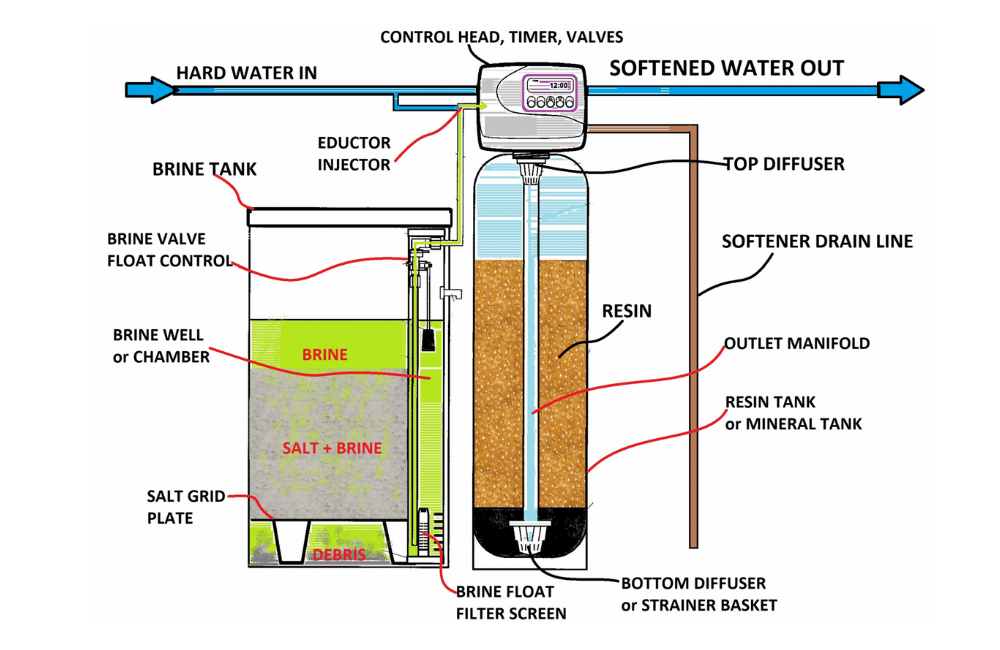
A soft water system kicks those minerals to the curb through a process called ion exchange. Imagine tiny resin beads inside the system acting like bouncers at a club. They grab the calcium and magnesium “hard” guys and throw them out, swapping in friendly sodium ions instead.
Must Read
This means your water becomes “soft.” It’s not slimy or weird—it just feels silkier, like a spa day for your whole house. Your shampoo will foam up like a cloud, and your dishes will sparkle without those annoying spots.
How does this wizardry actually work?
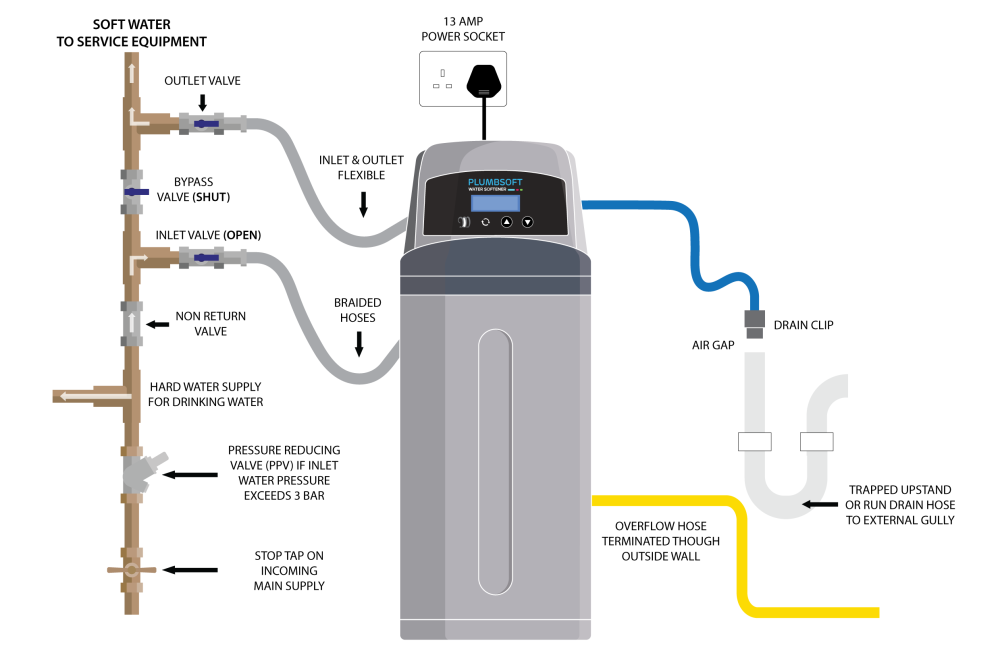
You install the system right where your main water line enters your home. It’s usually a tall, cylindrical tank hidden in a basement or garage, looking like a sci-fi prop. Don’t let that intimidate you; it’s quieter than your neighbor’s leaf blower.
Inside, the resin beads grab the hard stuff, but after a while, they get full. The system then automatically flushes itself with a saltwater brine—a process called regeneration. Think of it as the resin beads going on a quick coffee break and getting refreshed.
During regeneration, you might hear a gentle gurgle from the drain. That’s just the system flushing away the bad guys. It’s basically your home whispering, “I got this, buddy.”
What’s the catch? (There’s always a catch, right?)
First, you’ll need to buy bags of salt (sodium chloride or potassium chloride) every few weeks. It’s cheap and easy, like refilling a bird feeder, but for your plumbing. The average family spends about $10–$20 a month on salt—less than one fancy coffee cart latte.
 Water Softeners | Softener Systems | Aqua Cure
Second, if you’re on a low-sodium diet, don’t panic. The amount of sodium added to soft water is tiny—often less than a slice of bread. And you can always install a reverse osmosis filter at the kitchen sink for your drinking water. Problem solved.
Third, soft water isn’t ideal for watering your garden. Plants prefer some minerals. So, many people hook up an outdoor faucet that bypasses the softener. You get the best of both worlds: silky showers inside, happy petunias outside.
Why would you even want this?
Imagine your showerhead never clogging again. No more scrubbing soap scum off your glass doors. Your clothes come out of the washer softer, and you use way less detergent. It’s like your appliances get a raise and start working harder for you.
Your water heater also loves soft water. Hard water creates scale buildup inside it, making it work harder and die younger. With soft water, your water heater can last years longer, saving you hundreds of dollars in repair bills. That’s money you can spend on pizza.
Even your skin and hair notice the difference. Hard water leaves a film on your skin that can make it dry or itchy. Soft water rinses clean, so your moisturizer actually works. You’ll feel like you just stepped out of a fancy hotel bathroom every single morning.
Installing one is easier than you think
You can buy a system online or at a home improvement store for $400 to $2,500, depending on size and features. A plumber can install it in a couple of hours. Or, if you’re handy, many are DIY-friendly with clear instructions.
 How Water Softeners Work | Benefits, Diagram & More
Renting is also an option if you don’t want the upfront cost. Many companies offer monthly rentals that include salt delivery and maintenance. It’s like subscribing to Netflix, except instead of movies, you get silky water. Less dramatic plot twists, but better hair days.
Maintenance is laughably simple: check the salt level once a month, pour in a new bag when it’s low, and that’s basically it. No software updates. No batteries. No crying over a frozen screen.
Could you live without one? Sure, but why would you want to?
If your tap water tastes like a rock licked a penny and your coffee maker develops chalky deposits after a week, you’re probably dealing with hard water. A soft water system is the fix that keeps on fixing—quietly and reliably.
It’s not a magic wand, but it’s close. You’ll wonder how you ever survived those stiff towels and cloudy glasses. And when you visit a friend with hard water, you’ll take a shower at their place and think, “Wow, my water back home is basically a luxury spa.”
So, go ahead. Give your home the gift of soft water. Your plumbing, your skin, and your wallet will all send you a thank-you note. Probably written on a sparkly, spot-free glass.
And remember: life is too short for scratchy towels, crusty faucets, and sad soap. Treat yourself. Your water deserves a happy ending, and you deserve to feel like a million bucks every time you turn on the tap. Go get that soft life—literally.
