What Is Gpd In Water Filter

So you’re looking at water filters and see “GPD” slapped on the box. Suddenly you’re wondering if this is a new type of government department or maybe a secret code. Relax, it...
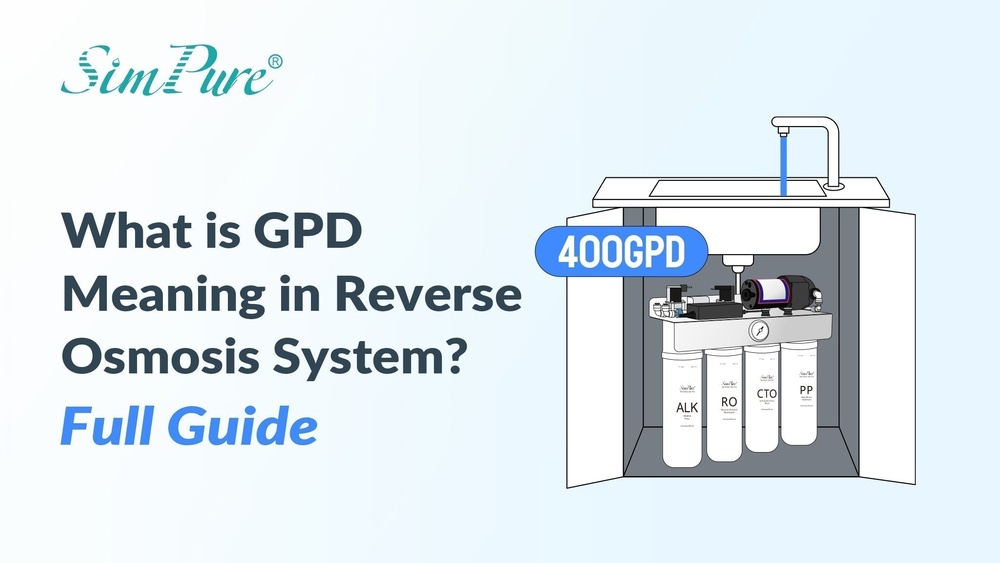
So you’re looking at water filters and see “GPD” slapped on the box. Suddenly you’re wondering if this is a new type of government department or maybe a secret code. Relax, it’s much simpler—and honestly, way cooler than it sounds.
GPD stands for Gallons Per Day. In plain English, it tells you how much filtered water the machine can produce in 24 hours. Think of it like the speed limit for your water flow.
Why a number like 50 GPD vs. 400 GPD actually matters
Imagine you’re at a lemonade stand. A tiny pitcher makes a few glasses an hour—that’s a low GPD. A big commercial tank fills up buckets non-stop—that’s a high GPD.
Must Read
For a household under the sink, you’ll usually see ratings like 50, 75, or 100 GPD. Sound tiny? Don’t panic. You’re not drinking 100 gallons a day—you’re just storing it in a tank so you always have fresh water on demand.
But if you’re feeding a whole-house system or a big family that loves water, you might want 400 to 600 GPD. Ever tried showering while someone’s filling a water bottle and someone else is cooking pasta? Yeah, that’s when GPD gets real.
The counter-intuitive magic: slower can be better
Here’s the twist: a lower GPD often means cleaner water. Think slow drip coffee vs. instant. The slower the filter works, the more time it has to grab tiny contaminants like lead, arsenic, or forever chemicals.
That 50 GPD reverse osmosis system might take hours to fill a pitcher, but it’s so thorough you could drink from a muddy puddle (please don’t test that). Meanwhile, a 400 GPD unit cranks out water faster but might let a few more particles slip through.
So ask yourself: Do you want speed or purity? Most modern systems balance both, but knowing GPD helps you choose your priority.
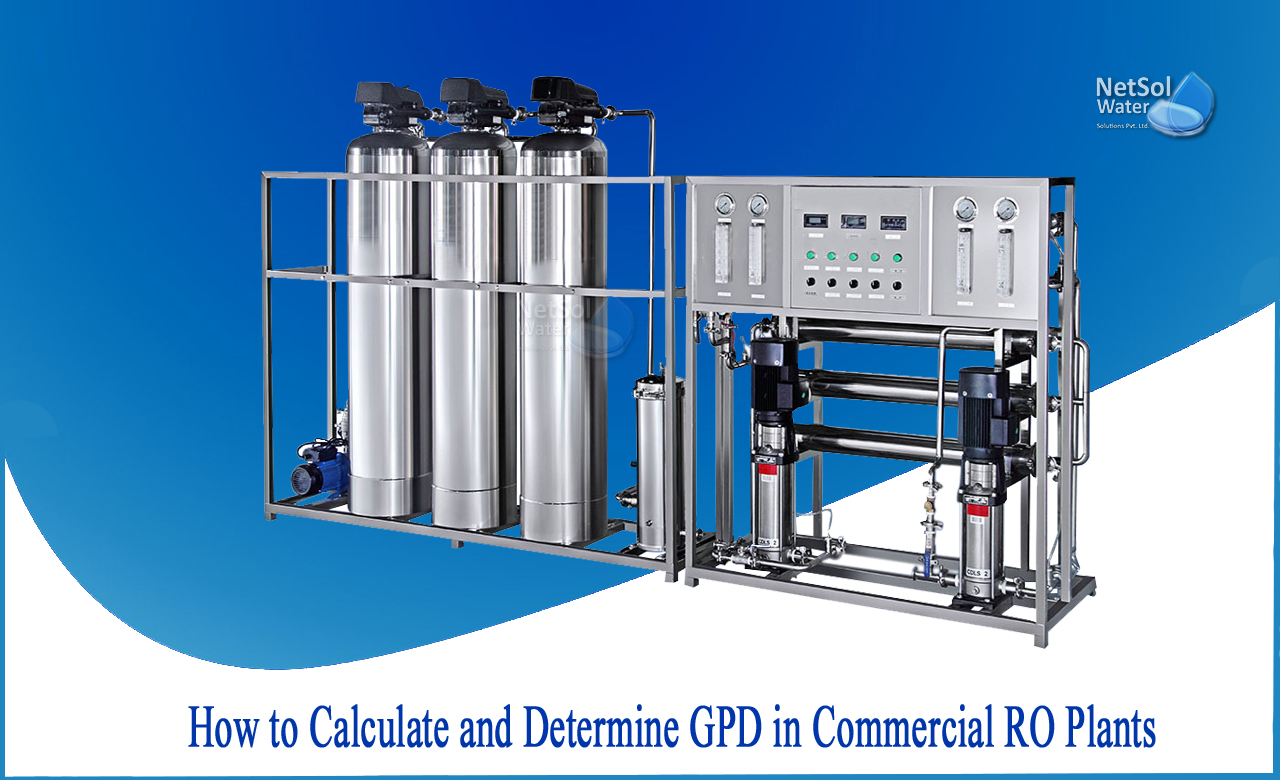 How to calculate and determine GPD in Commercial RO plants
But wait, isn’t GPD just the filter’s ego?
Here’s the funny part—manufacturers test GPD under perfect lab conditions with ideal water pressure, temperature, and zero sun glare (okay, not the sun part). In your real kitchen, that 100 GPD filter might only do 70 GPD because your pipes are old or the water is cold.
Think of it like a car’s mileage estimate. The sticker says 30 MPG, but we all know city driving gets you 25. Same with GPD: it’s a rough guide, not a promise.
Don’t stress over getting exactly the number on the box. Just know that higher GPD = faster flow, and lower GPD = slower flow but often deeper filtration.
Who really needs a high GPD monster?
Are you a household of five who chugs water like it’s a sport? Do you have a massive fish tank that demands constant fresh water? Or maybe you run a tiny home office and refill a 5-gallon jug every day? Then yes, a 300–500 GPD system might save you patience.
But if it’s just you and a cat that only drinks from the sink when you’re not looking, a 50 or 75 GPD unit is plenty. It’ll fill a pitcher while you make toast, no problem.
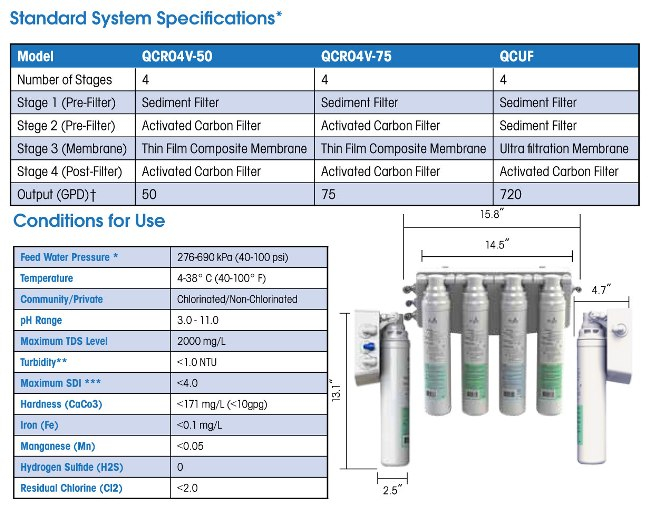 Aqua Science Platinum 50 GPD RO Drinking Water System
Here’s a fun comparison: a high GPD system is like a firehose at a water park—fun and fast, but overkill for a sippy cup. A low GPD system is like a beautiful, slow waterfall—elegant and perfect for sipping.
What about those “zero GPD” filters?
You’ll sometimes see filters that don’t list GPD at all—like basic pitcher filters or faucet attachments. That’s fine! Those don’t need GPD because they work in real time. You pour water through, and it’s done instantly. No tank, no waiting, but also no super-high contaminant removal.
For those, the GPD question is moot. You just need to know how many cups it filters before the cartridge is dead. But if you see GPD listed, it’s usually for reverse osmosis or countertop systems with storage tanks.
Remember: GPD is your friend, not a math test. It helps you match the filter to your life.
So next time you see that funny little acronym, just nod and smile. You now speak water filter. And seriously—isn’t it cool that we can measure exactly how much fresh water we can produce in a day? Science and thirst, working together.
