What Is A Normal Water Bill

Let’s be honest: when that water bill arrives, you probably give it the same side-eye you give a mysterious charge on your credit card. Is it high? Is it normal? Should you st...
Let’s be honest: when that water bill arrives, you probably give it the same side-eye you give a mysterious charge on your credit card. Is it high? Is it normal? Should you start rationing showers? It’s one of those monthly mysteries that feels too boring to solve, yet too expensive to ignore. But here’s the good news—uncovering what a “normal” water bill looks like is actually easier than assembling IKEA furniture. And way less frustrating.
So, what’s the magic number?
Across the United States, the average household water bill hovers between $35 and $70 per month. That’s for a family of four using about 12,000 gallons of water monthly—enough to fill a small swimming pool. Of course, this number is about as fixed as your weekend plans; it changes depending on where you live, how big your family is, and whether you’re secretly watering a jungle of houseplants.
For example, residents in places like Hawaii might see bills closer to $90, while folks in Wisconsin often pay under $40. It’s a geography game—supply, infrastructure, and local politics all play a role. Think of it as the real estate of utilities: location, location, location.
Must Read
The silent factors driving your bill
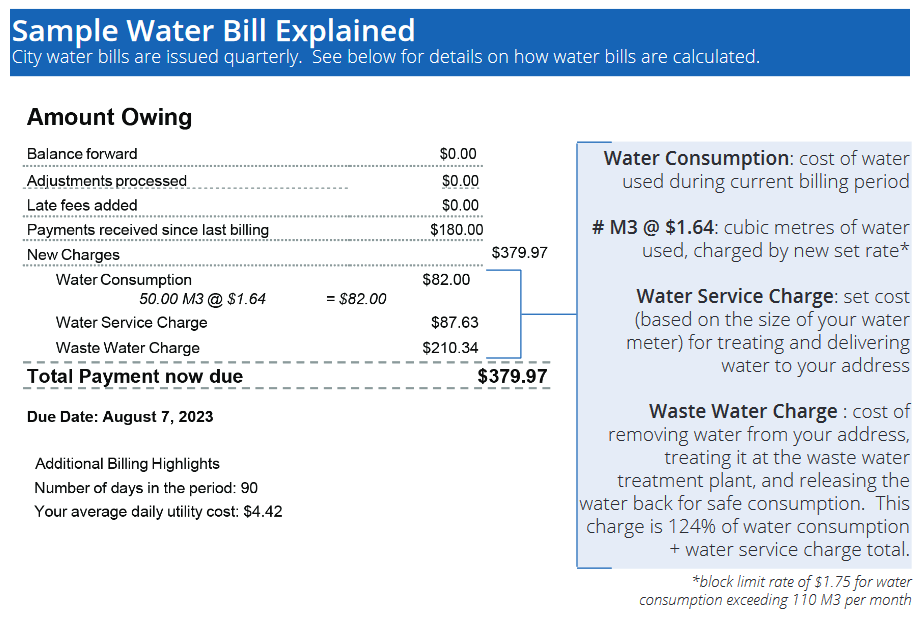
Here’s where it gets interesting: your water bill isn’t just about water. It’s a cocktail of usage, fixed fees, sewer charges, and sometimes even “stormwater” costs—yes, for rain. That’s right: you pay for the water that falls from the sky and runs off your roof. It sounds absurd, but it funds essential drainage systems that keep your basement from becoming a personal aquarium.
Sewer charges are often the stealthy culprit, frequently doubling your base water cost. Why? Because treating dirty water is expensive, and your local plant isn’t a charity. Meanwhile, fixed fees—usually $10 to $20—cover meter reading and infrastructure maintenance, whether you use a droplet or a deluge.
A cultural snapshot: your neighbor vs. your celebrity idol
Did you know that the average American uses 82 gallons of water per day, while a typical person in the UK uses about 33? Meanwhile, celebrities in Los Angeles are known to guzzle thousands of gallons for lush lawns and infinity pools—a fact that makes your $50 bill feel almost virtuous. Kim Kardashian’s water usage in Calabasas once made headlines, reminding us that normal is relative. Your bill isn’t a moral scorecard; it’s a baseline for living.
 Water Bill Average at Lynda Rahman blog
In contrast, minimalist influencers often brag about bills under $30, living like monastic spa-goers. But unless you’re ready to shower with a friend and collect rain in buckets, aim for the middle ground. Comparison is the thief of joy—and also of common sense.
Practical tips to tame the bill
Let’s get real for a minute. You don’t need a full home renovation to see savings. Start with the low-hanging fruit: fix a leaky faucet. A single drip at one drop per second wastes over 3,000 gallons a year—that’s like flushing $20 down the drain annually. Check your toilet for silent leaks by adding food coloring to the tank; if color appears in the bowl within 30 minutes, you’ve got a problem that’s both gross and expensive.
Next, embrace the short shower revolution. Cutting just two minutes off your daily rinse can save nearly 1,000 gallons a year—plus, you’ll have more time for coffee. If you’re feeling ambitious, install a high-efficiency showerhead; they cost $20 and can reduce flow by 40% without making you feel like you’re camping.
And here’s a fun fact: washing full loads dishes and laundry isn’t just efficient—it’s a silent protest against the machine. Dishwashers actually use less water than hand-washing if you don’t pre-rinse. Let that sink in—no pun intended.
 Average Water Bill In New York City | Explora Madeira
When to worry (and when not to)
If your bill suddenly jumps from $50 to $150, don’t panic—and don’t blame your teenager’s two-hour showers first. Check for a running toilet, a burst pipe, or a dripping outdoor spigot. Fun fact: a running toilet can waste 200 gallons a day. That’s like leaving a garden hose on full blast while you do a cross-country road trip.
Most water utilities offer free leak detection kits or will send a technician to inspect. You’re not bothering them—this is literally why they exist. If the spike is unexplainable, ask for a meter re-read or an audit. You’d be surprised how often a faulty meter or a billing error is the real villain.
The hidden joy of water consciousness
Here’s the reflective part, and it’s worth a pause. Your water bill isn’t just a statement—it’s a story about how you value an invisible miracle that arrives at your tap without applause. In some parts of the world, people walk miles for a fraction of what you use to water your lawn. That doesn’t mean you should feel guilty; instead, feel lucky. A normal bill is a sign that your infrastructure is working, your habits are reasonable, and your life is humming along.
On a purely practical level, knowing your baseline turns a chore into a gentle check-in. It’s a conversation with your home, a pulse on your habits, and a reminder that small shifts—like turning off the faucet while brushing your teeth—add up. Your water bill isn’t a bill; it’s a receipt for convenience. And that’s worth every drop.
