How To Filter Lead In Water

So, you’re worried about lead in your water. Join the club—it’s not exactly a VIP lounge, is it? First off, don’t panic. You haven’t been drinking paint chips. But you should...
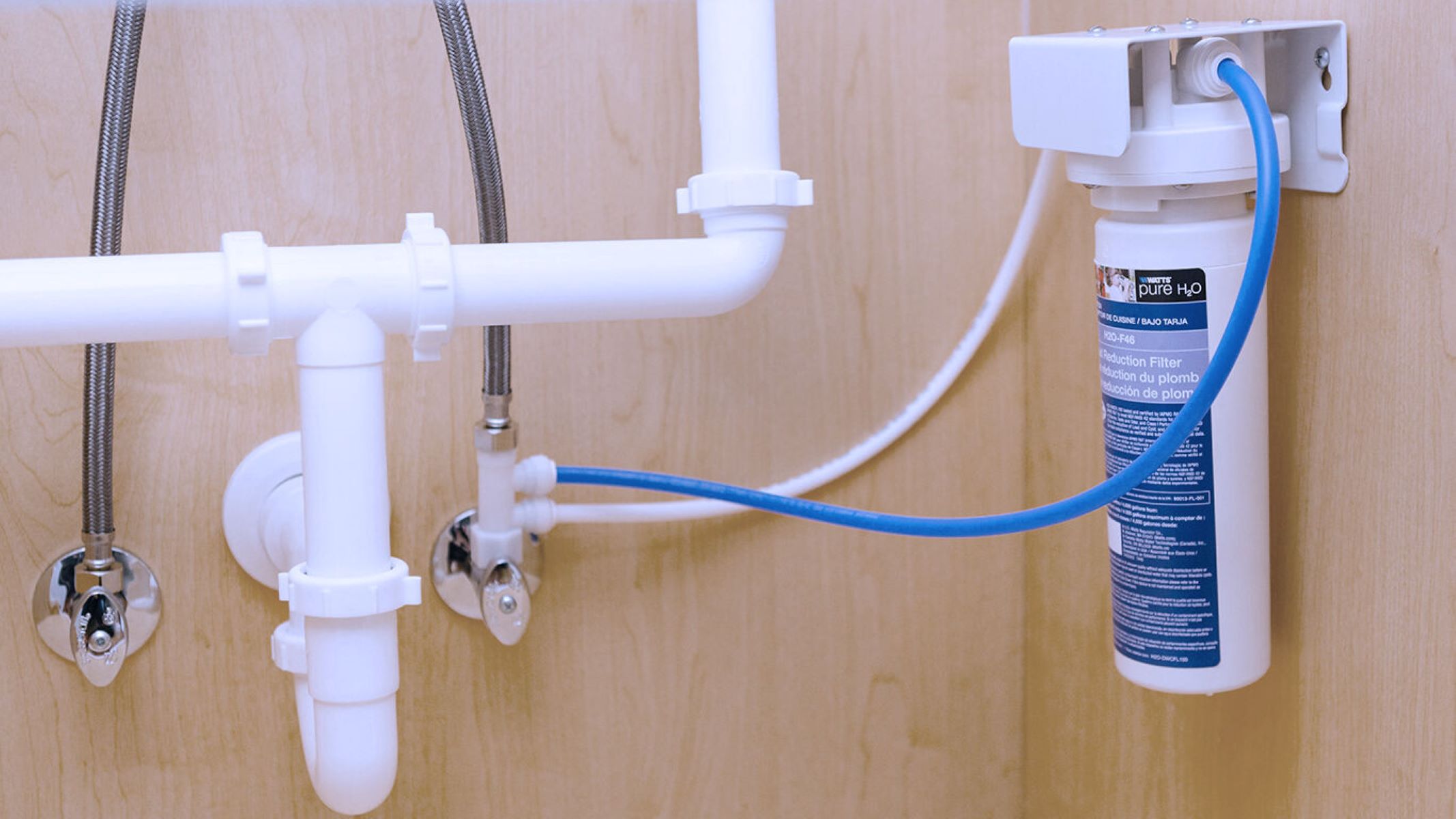
So, you’re worried about lead in your water. Join the club—it’s not exactly a VIP lounge, is it?
First off, don’t panic. You haven’t been drinking paint chips. But you should deal with it, because lead is that sneaky friend who acts cool at parties but ruins your brain cells. Let’s chat about how to kick it out of your tap.
Step 1: Know if you even have lead
Do you live in a house built before 1986? Yes? Then you might have lead pipes, solder, or fixtures. Congratulations—you’ve inherited a vintage plumbing problem.
Must Read
But don’t guess. Test your water. You can grab a home test kit at the hardware store for like $20. Or call your local water utility—they’ll often test it for free, because they don’t want you getting litigious.
If the test shows lead levels above 15 parts per billion, it’s time for action. That’s the EPA’s “hey, maybe stop drinking this” threshold. And no, that’s not the same as “one drop of lead is a superfood.” It means do something now.
Step 2: Flush your pipes like a pro
Here’s a trick that costs zero dollars. Run your cold water for at least 30 seconds before drinking. If the water hasn’t been used in six hours, let it run for two minutes. Seriously—just let it dance down the drain.
Why? Because standing water in pipes picks up lead. Flushing it out is like telling the lead to get lost. “Bye, Felicia.” Use only cold water for drinking and cooking. Hot water dissolves lead faster, and you’re not making lead tea, are you?
Step 3: Get a filter that actually works
Not all filters are created equal. Some are basically fancy sieves. You need one that certified to remove lead. Look for the NSF/ANSI Standard 53 logo. That’s the gold star of water filters.
Your options? Pitcher filters are cheap and easy. Brands like Brita and PUR offer lead-removing versions. But they’re slow—like watching a sloth pour your water.
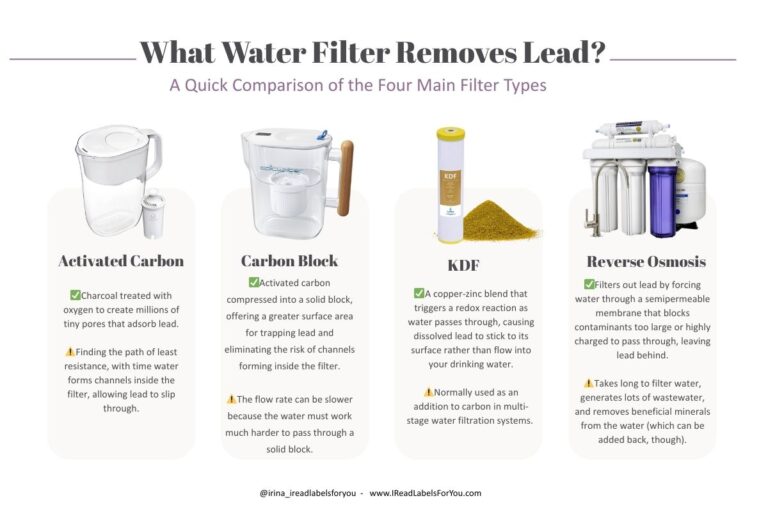 Do Water Filters Filter Out Lead? - I Read Labels For You
Under-sink filters are better. They install in minutes (read: you’ll need a YouTube tutorial and maybe some plumber’s tape). They filter gallons fast and hide under your sink like a ninja.
Countertop filters are another vibe. No installation—just attach to your faucet. They look a little weird, but who cares? Your friends aren’t judging your water station.
For the DIY overachiever? Reverse osmosis systems. These things are intense—they filter almost everything, including your sense of common sense if you try to install one without help. But they crush lead.
What about boiling?
Nope. Boiling water does not remove lead. In fact, it concentrates it—like making lead soup. So unless you’re trying to become a superhero with lead poisoning, skip the pot.
Step 4: The “fresh” water hack
Feeling fancy? Use a bottle with a built-in filter. Brands like Lifestraw or Brita make bottles that filter as you drink. Perfect for when you’re on the go—or when your tap tastes like a science experiment.
Also, clean your faucet aerator every few months. That little mesh screen collects lead particles like they’re souvenirs. Unscrew it, soak it in vinegar, and scrub. You’ll be shocked at the gunk. (You’re welcome for the nightmare fuel.)
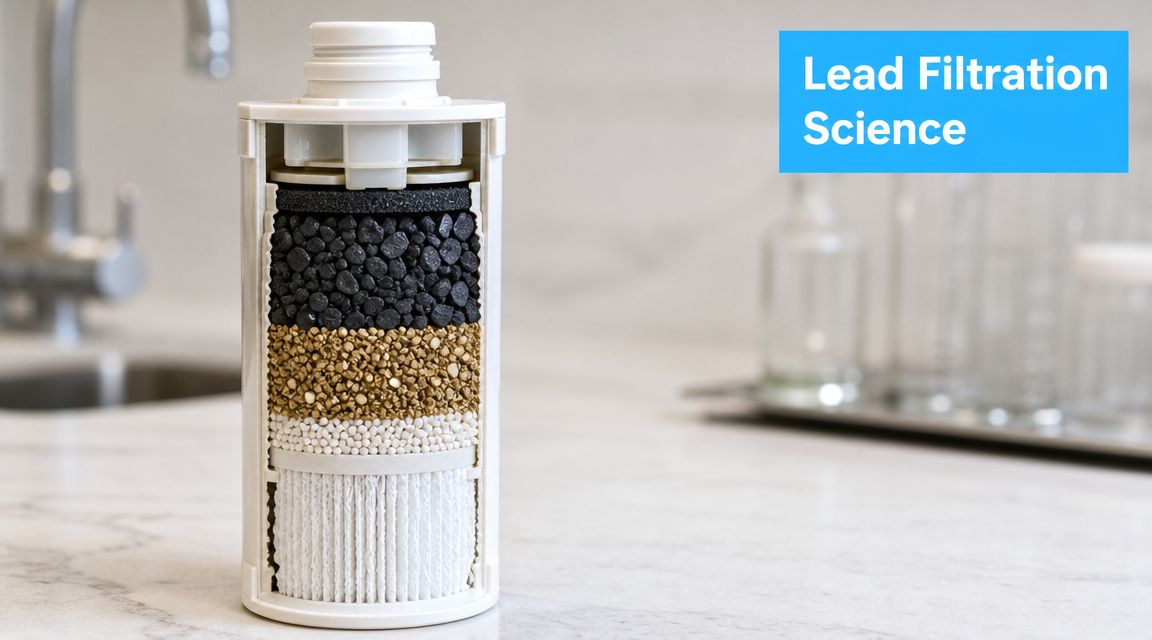 Whole House Filter for Lead: A 2026 Buyer's Guide
Step 5: Long-term, go nuclear
If you’re rich or determined, replace your pipes. Yeah, it’s expensive. But so is your future brain health. Look into government rebates—some cities pay you to ditch lead pipes.
Alternatively, install a whole-house water filter. It filters everything—showers, sinks, even your toilet. Your toilet doesn’t care, but you’ll feel like a water wizard.
A few final, slightly panicked tips
Don’t use hot water for baby formula. Ever. Ever ever ever. Use cold filtered water and warm it up. Babies’ brains are still under construction—lead is not a welcome contractor.
And remember: lead is sneaky. It has no taste or smell. So don’t trust your tongue—trust the test kit. You’re not a sommelier of toxic metals.
One more thing: keep your pipes happy. Corrosion makes lead leak faster. Use water softeners or pH-balancers if your water is acidic. Your pipes are like a teenager—give them the right environment, and they won’t cause drama.
So, filter that water. Flush those pipes. And maybe light a candle for the days when we thought “lead” was just a pencil thing. You’ve got this.
Now go drink something crisp, cold, and wonderfully lead-free. Cheers, friend.
