How To Reduce Pfas In Water

The other day, my friend Karen—a mom who drinks more bottled water than a fish—called me in a panic. She’d just read a study about PFAS, or “forever chemicals,” lurking in her...
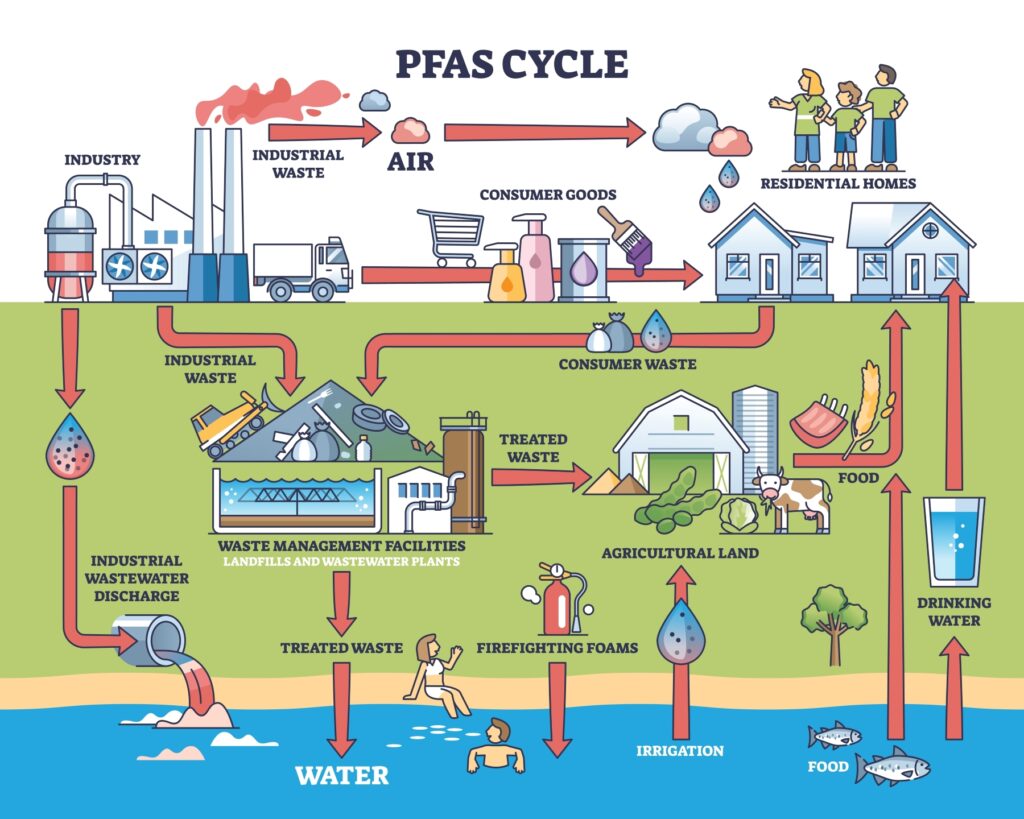
The other day, my friend Karen—a mom who drinks more bottled water than a fish—called me in a panic. She’d just read a study about PFAS, or “forever chemicals,” lurking in her tap water. “Is my family drinking Teflon?” she whispered, like it was a crime scene. I laughed, but honestly? She wasn’t far off.
PFAS are those sneaky industrial compounds found in everything from non-stick pans to waterproof jackets. And yes, they end up in your water glass. But here’s the good news: you don’t need to move to a mountain spring to dodge them. We’ve got practical, budget-friendly ways to reduce PFAS—and I’m about to spill them all.
Step One: Know Your Enemy (But Don’t Panic)
PFAS stands for per- and polyfluoroalkyl substances. Fancy name, right? Basically, they’re chemical chains that never break down in the environment—hence “forever chemicals.” They’ve been linked to health issues, which is why you care.
Must Read
But here’s the irony: most municipal water supplies in the U.S. aren’t tested for PFAS regularly. That’s like not checking your smoke detector until the house is on fire. Still, you can fight back from your kitchen sink.
Get a Water Filter That Actually Works
Not all filters are created equal. A basic Brita pitcher? Useless for PFAS. Sorry, Karen. You need a filter with activated carbon or reverse osmosis. These two technologies are the bouncers at the club, kicking PFAS out of your water.
Look for filters labeled “NSF/ANSI 53” or “NSF/ANSI 58” for PFAS reduction. That little certification isn’t just a sticker—it’s your proof the filter actually does its job. And yes, you’ll spend more upfront, but think of it as a health insurance policy for your tap.
The Low-Budget Hack: Boil? No Way!
Let me kill a myth: boiling water does not remove PFAS. In fact, it can concentrate them as the water evaporates. (Ironic, right?) So save your energy for something else—like buying a countertop filter instead.
If you’re on a tight budget, a pitcher with a solid activated carbon block can still reduce PFAS by up to 80%. It’s not perfect, but it’s a huge step up from nothing. Better than drinking from a garden hose, right?
Ditch the Non-Stick Cookware (Yes, Really)
Your water isn’t the only source of PFAS. Those non-stick pans that make eggs slide like butter? They shed chemicals into your food when scratched. “But I love my omelets!” I hear you cry.
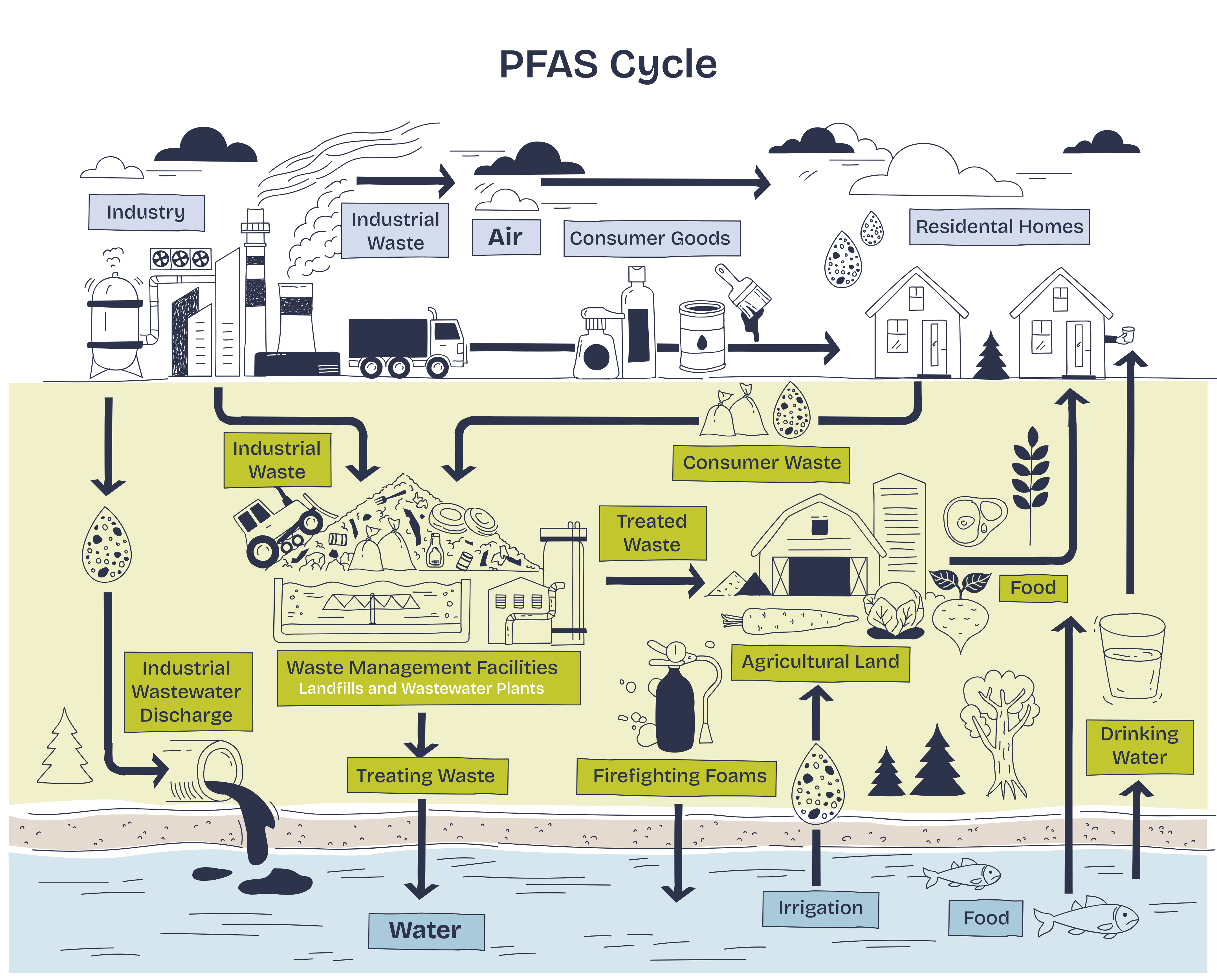 石墨烯膜创新技术旨在去除水中的全氟辛烷磺酸 | 石墨烯网
Swap them for stainless steel or cast iron. Yes, you’ll have to oil the pan, but your future self will thank you. Also, stop using “greaseproof” paper in the microwave—that stuff often contains PFAS, too.
Check Your Tap Water’s Source
If you live near a military base, airport, or industrial plant, you’re likely at higher risk. These places use firefighting foam loaded with PFAS. Call your local water utility and ask for a recent PFAS report.
They might stonewall you, but be polite. “Hi, I’m just a nosy neighbor trying to avoid drinking firefighting chemicals.” If they won’t share, you can buy a home test kit for around $40. Knowledge is power—and cleaner water.
Shop for PFAS-Free Bottled Water
Most bottled water isn’t tested for PFAS, so you could be paying a premium for the same tap water. Yes, that fancy glass bottle from France? It might be a lie. Look for brands that test for PFAS, like those with “Clean Label” certifications.
Or better yet: invest in a reusable stainless steel bottle and filter your own tap water. It’s cheaper, greener, and you’ll look like an eco-warrior carrying it around. Win-win.
Don’t Forget Your Shower
PFAS don’t just enter through drinking. They absorb through your skin and lungs while you shower. Hot water opens pores, and steam carries chemicals into your lungs. Great, now I’m paranoid about bubbles.
 What Removes PFAS from Tap Water? Complete Filter Guide
A shower filter with activated carbon can reduce PFAS in your bathwater. It’s a small upgrade—usually under $50—that protects you from head to toe. Your skin will thank you.
Cook Wisely to Avoid Cross-Contamination
When you boil pasta or rice, use filtered water. The heat won’t help, but the cleaner water you start with, the fewer chemicals end up in your dinner. Also, avoid using plastic utensils on non-stick pans—scratches release more PFAS.
“But I’m lazy,” you say. Fine, but do this one thing: rinse your vegetables with filtered water before eating. PFAS cling to produce, so a quick rinse cuts down exposure. It’s the easiest hack ever.
Join the Fight (Because It’s Not Just About You)
Reducing PFAS at home is great, but the real solution is banning them at the source. Call your local representatives and ask for stricter PFAS regulations. “Hello, I’m a voter who likes clean tap water.” It takes five minutes.
Also, support companies that avoid PFAS in their products. Your wallet is a megaphone. Every dollar you spend is a vote for a less chemical-soaked world.
The Final Sip
Back to Karen: she bought a reverse osmosis filter last month. She now drinks tap water proudly, while her friends still buy plastic bottles. She’s also started using cast iron pans. She’s a PFAS-fighting queen.
You don’t have to go full survivalist. Just start with one change—a filter, a pan, a phone call. Your water will be safer, your brain calmer, and your body will notice the difference. Cheers to drinking like you actually care.
