How To Make Deionized Water

So, you want to make deionized water? Maybe you’re a mad scientist in your basement, an aquarium nerd, or just someone who’s really tired of limescale on your coffee maker. Wh...

So, you want to make deionized water? Maybe you’re a mad scientist in your basement, an aquarium nerd, or just someone who’s really tired of limescale on your coffee maker. Whatever your reason, welcome to the magical world of zapping ions away!
First, let’s get one thing straight: deionized water isn’t just “extra-pure” water. It’s water that has been stripped of nearly all its dissolved minerals—think calcium, magnesium, and sodium. These minerals are called ions, and they’re the reason your tap water leaves white crusty deposits on everything.
Making deionized water at home isn’t rocket science, but it does require a special gadget. You can’t just boil it or run it through a Brita filter. That’ll only take out big stuff, not the sneaky little ions that cause trouble.
Must Read
The Magic Box: The Deionization Filter
Your best bet is to buy a deionization filter, often called a “DI” unit. These are usually small canisters filled with tiny resin beads. Those beads are like microscopic bouncers—they grab hold of stray ions and kick them out of the water.
You can snag a portable DI filter online for under fifty bucks. It usually comes with a hose attachment that screws onto your kitchen faucet. It’s not fancy, but it works better than a wizard’s wand.
Or, if you’re feeling really fancy, buy a reverse osmosis (RO) system and then add a DI stage after it. That’s the “rocket science” version for serious pure-water fans. But for most of us, the little plastic canister is perfect.
Step 1: Get Your Water Ready
Start with the cleanest tap water you can. If your water looks like murky swamp juice, run it through a basic filter first. That way, your DI resin won’t get clogged up with dirt and have a meltdown.
Pro tip: Cold water works better than hot. Hot water can damage the resin beads and make them less effective. Nobody likes a grumpy resin bead.
Also, don’t use distilled water as your starting point. You’ll just be wasting money—distilled water is already pretty pure, and the DI filter will barely have any work to do.
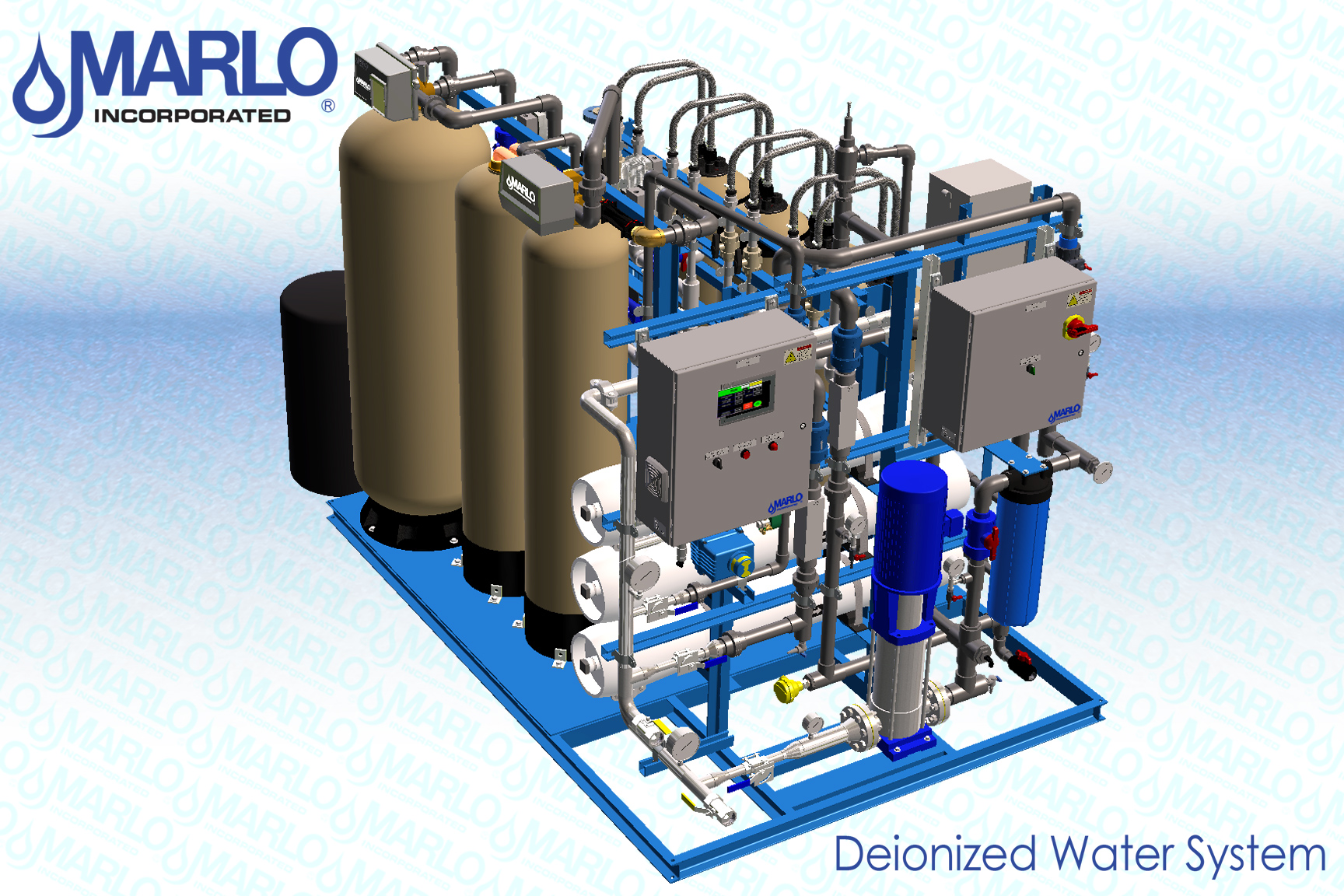 Homemade Deionized Water System at Luis Lam blog
Step 2: Hook It Up
Attach your DI filter to your faucet. Most models come with a simple connector that fits over the spout. Tighten it gently—hand-tight is fine. Don’t go Hulk mode or you’ll crack the plastic.
Place a clean container—like a gallon jug or a bucket—under the output tube. Glass or food-grade plastic work best. Avoid using metal containers; they can leach ions back into your water, which totally defeats the purpose.
Turn on the faucet to a slow, steady trickle. If you blast it, the water will rush through the resin too quickly and won’t get its ions removed. Patience is a virtue, my friend.
Step 3: Watch the Magic Happen
As water flows through the filter, you’ll see it drip out the other end. It looks exactly like regular water. But inside, the resin beads are working overtime, snatching up calcium and magnesium like a greedy toddler grabbing candy.
You can test the purity with a conductivity meter (also called a TDS meter). Tap water usually reads 100-400 parts per million. Deionized water should read zero or nearly zero. If it reads zero, you’ve basically become a water wizard.
If you don’t have a meter, just trust the process. Once the resin turns from blue to brown (or from green to gold, depending on the brand), it’s time for a refill. That’s the filter saying, “I’m full, boss.”
What Can You Do With This Water?
Deionized water is fantastic for car batteries, aquariums, steam irons, and lab experiments. It’s also great for watering sensitive plants that hate tap water minerals.
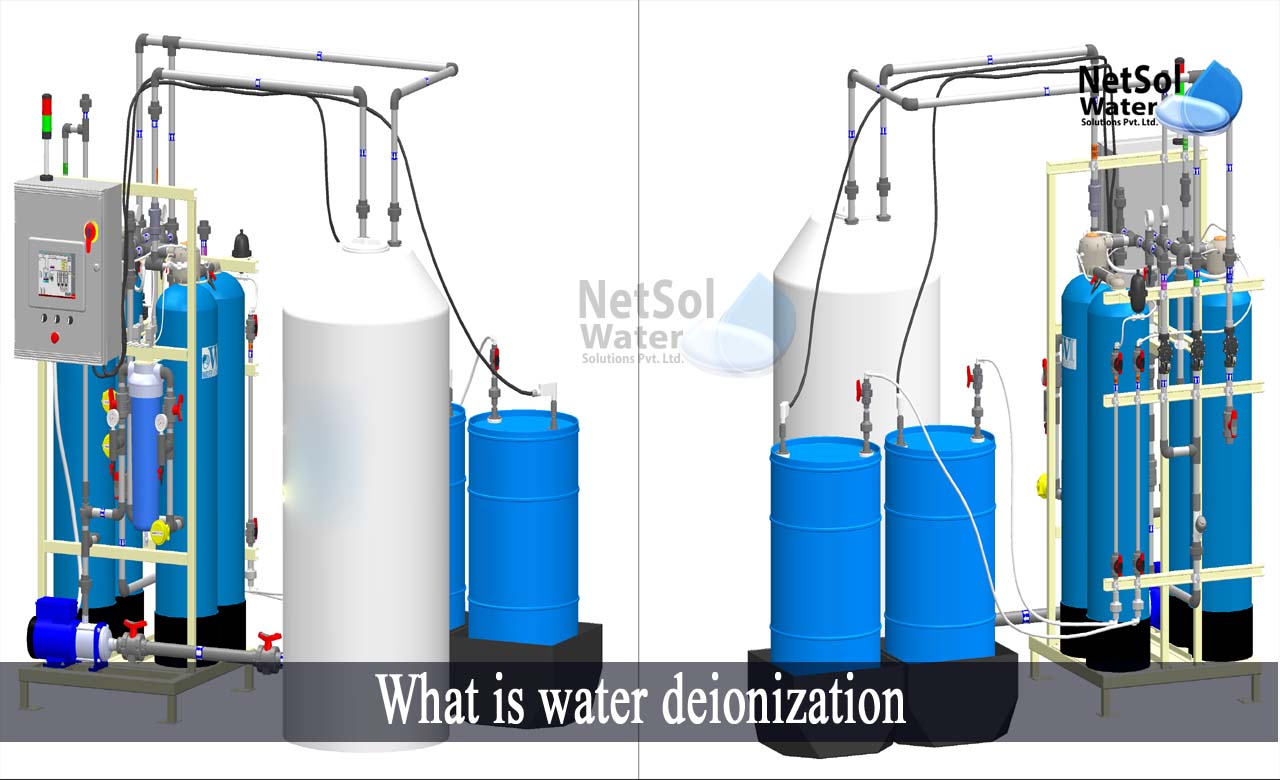 Deionized Water For Cooling System at Milla Gadsdon blog
But please, don’t drink it as your main water source! Deionized water is so pure it can actually leach minerals from your body. That’s great for cleanup, not so great for your teeth.
It also tastes super flat and boring—like drinking a glass of nothing. You’ll miss the tiny tang of minerals that gives tap water its personality.
The Joke Section (Because You’ve Earned It)
What did the calcium ion say to the resin bead? “I’m getting de-attached, but I don’t feel so positive about it.” (Okay, chemistry humor is hard. I’ll stick to water.)
If you mess up and drink deionized water, don’t panic. You won’t turn into a dehydrated raisin. You’ll just pee out a few extra minerals and feel mildly insulted by the flavor.
One more pro tip: Label your water bottles. If you leave a jug of deionized water next to your regular water, someone will accidentally use it for spaghetti. And that’s just sad.
The Uplifting Conclusion
Making deionized water is a simple, satisfying little science project. You take ordinary tap water, run it through some magical plastic beads, and out comes a liquid so pure it’s basically shy. It’s like giving your water a spa day and sending it to finishing school.
So go ahead—buy a DI filter, hook it up, and marvel at your clear, ion-free creation. You’re not just making water; you’re making possibilities. Clean car batteries, happy fish, and a sparkling steam iron await you. You, my friend, are now the alchemist of the kitchen sink. Cheers to that—with a glass of perfectly pure, zero-conductivity greatness!
