Does The Flu Dehydrate You

Picture this: you’re tucked under a mountain of blankets, binging the latest season of *The Bear*, when a wave of bone-deep fatigue hits. Your throat feels like sandpaper, and...

Picture this: you’re tucked under a mountain of blankets, binging the latest season of The Bear, when a wave of bone-deep fatigue hits. Your throat feels like sandpaper, and your head is pounding. You reach for a glass of water, but the question lingers in the fog of your mind: does the flu actually dehydrate you?
The short answer is yes, and it’s not just from the obvious sweating. Your body is waging a full-scale war against the influenza virus, and fluids are the unsung heroes of that battle. Think of dehydration as a sneaky side effect that can make you feel ten times worse.
Why the Flu Turns You Into a Human Desert
When you have the flu, your body temperature rises to create an inhospitable environment for the virus. This fever causes you to sweat more, and with that sweat goes precious water and electrolytes. It’s like your internal thermostat is running a marathon, and it’s sweating buckets.
Must Read
Then there’s the coughing, sneezing, and that runny nose. Every time you blow your nose or cough, you’re losing more moisture from your respiratory tract. Combine that with potential vomiting or diarrhea in some cases, and you have a recipe for a serious fluid deficit.
Your body also redirects blood flow to your core to fight the infection. This can make your skin feel clammy, but it also reduces circulation to your extremities. That lack of perfusion can make you feel dizzy, which is a classic sign of dehydration.
The Telltale Signs Your Body is Crying for Water
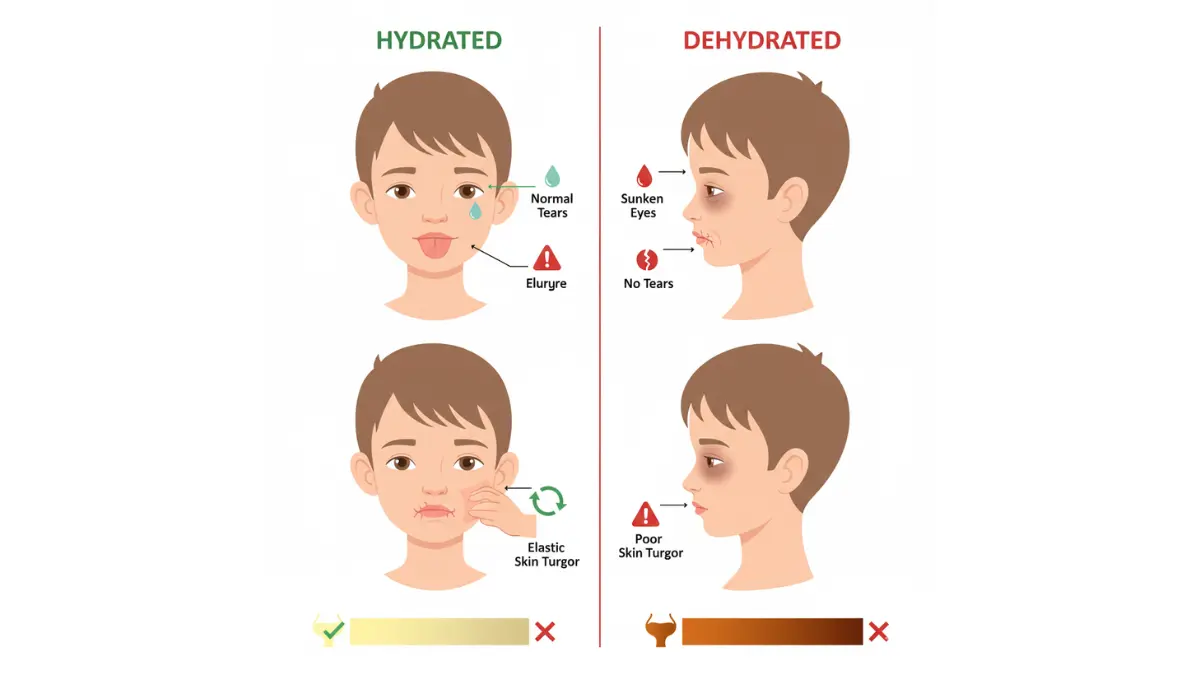
You don’t need a medical degree to spot dehydration. Your urine is your first clue: if it’s the color of amber ale or darker, you need to drink up. Clear or pale yellow is the goal.
Other red flags include a dry mouth, cracked lips, and a headache that feels like a tiny drummer is practicing inside your skull. You might also notice your skin stays tented for a second when you pinch it—a low-tech but surprisingly accurate test.
Feeling extra tired or confused? That’s your brain sending an SOS. Even mild dehydration can affect your cognition, which is why you might feel foggy and unable to remember the plot of that show you just watched.
 Does My Child Have a Cold or the Flu?
How to Hydrate Like a Wellness Guru (Even When You Feel Terrible)
Forget the old “eight glasses a day” rule—when you’re sick, you need to supersize that. Aim for sipping small amounts frequently rather than chugging. Your stomach is likely sensitive, and a flood of water can cause nausea.
Plain water is fine, but your body also needs electrolytes: sodium, potassium, and magnesium. Think of them as the spark plugs for your cells. You can DIY a simple electrolyte drink by mixing water, a pinch of salt, a splash of lemon juice, and a little honey. It’s basically a fancy Gatorade without the neon colors.
Broths are your best friend. A warm bowl of chicken or vegetable broth delivers fluids and a hit of sodium. Plus, the steam can help clear your sinuses, which feels like a spa treatment for the sick.
Coconut water is another cool option—it’s nature’s sports drink, packed with potassium. Just check the label for added sugars, which can be inflammatory. Keep it clean and simple.
Fun Little Facts to Sip On
Did you know that your body is about 60% water? When you’re dehydrated by just 2%, your athletic performance (and immune function) drops noticeably. So staying hydrated isn’t just about comfort—it’s about giving your immune army the ammo it needs.
 Flu in Kids 2025: Symptoms & When to See Doctor
Ice chips are an underrated hack. They deliver fluids slowly and can soothe a sore throat. Pop them in your mouth while you’re binge-watching Squid Game—it’s like a hydration game of your own.
Here’s a cultural nod: many traditional Chinese medicine practices recommend gāo-tāng or slow-cooked bone broths during illness. It’s not just folklore; modern science backs up the hydrating and amino-acid-rich benefits.
Avoid alcohol and caffeine. They’re diuretics, meaning they make you pee out more fluid than you take in. That morning coffee might feel comforting, but it’s working against you. Opt for herbal tea instead—chamomile or ginger can be both calming and hydrating.
The Silver Lining in the Tissue Box
Yes, the flu dehydrates you. But here’s the good news: you have total control over how you respond. Armed with a few smart strategies, you can turn a miserable experience into a manageable one. You’re not just lying in bed suffering; you’re actively replenishing your body.
Think of it as a reset. Your body is forcing you to slow down, sip, and listen to its whispers before they become shouts. In our hyper-caffeinated, always-on world, a flu-forced hydration break might be the most productive thing you do all week.
So drink up, grab that extra blanket, and let your cells do the heavy lifting. You’ll be back to your witty, hydrated self before you know it—ready to argue about the best soup recipe or whether The Bear season two actually holds up.
