Where Does Ecoli Come From

Last summer, my friend Dave ate a questionable-looking burrito from a gas station. An hour later, he was texting me from the bathroom, asking if I could "bring him the good to...
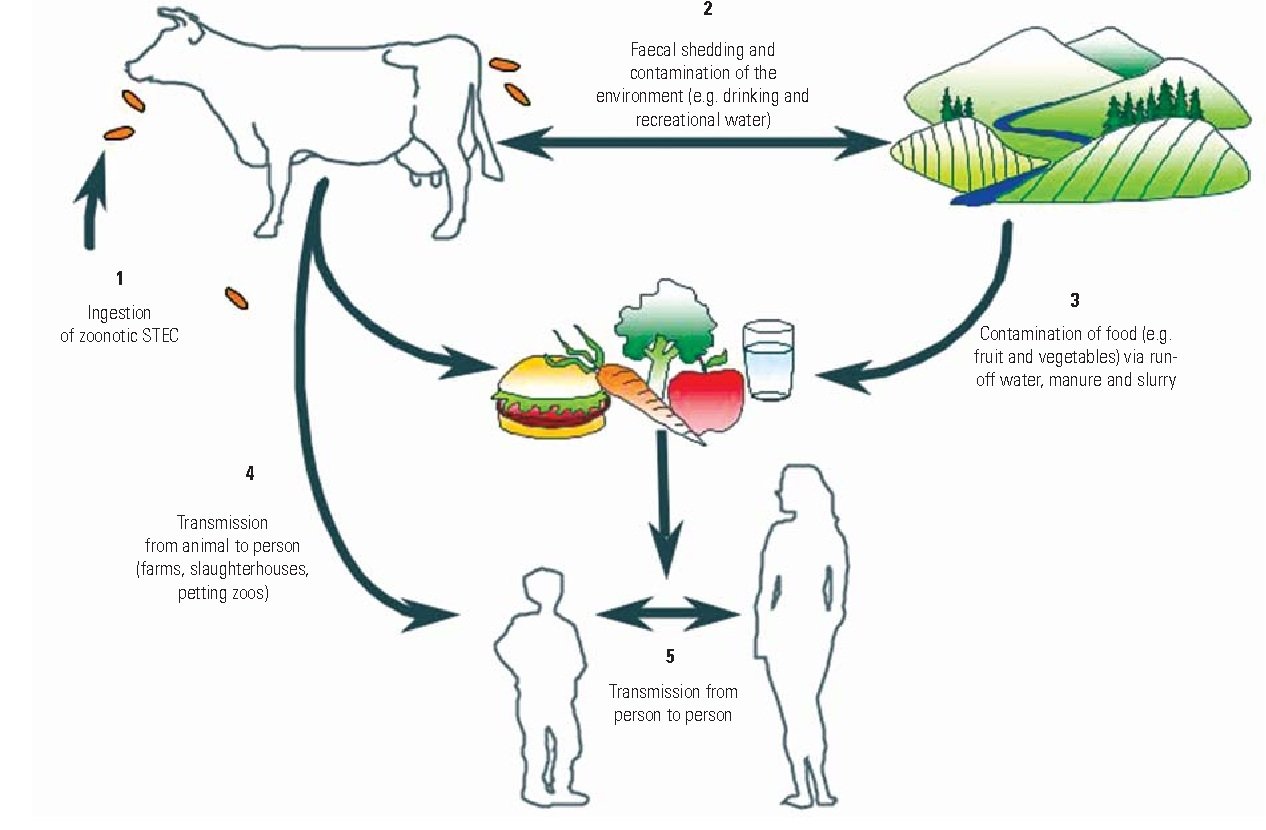
Last summer, my friend Dave ate a questionable-looking burrito from a gas station. An hour later, he was texting me from the bathroom, asking if I could "bring him the good toilet paper." By midnight, Dave had learned more about his own digestive system than anyone should know. That, my friend, is the calling card of E. coli.
The Real Party Crasher
So, where does this microscopic menace actually come from? Spoiler alert: it’s not the burrito itself—it’s what touched the burrito. E. coli is a gut bacterium, which is a fancy way of saying it lives inside the intestines of animals and humans. Most strains are harmless party guests; they help you digest food. But the bad strains—like O157:H7—are the ones that crash the party and punch you in the gut.
The primary source? Feces. Yeah, I said it. Cow poop, chicken poop, and even the stuff from your beloved pet dog. When these droppings get into our water supply or onto produce, the trouble begins. Think of it as nature’s way of reminding us that what goes around comes around—often in a very literal, explosive sense.
Must Read
The Usual Suspects: Ground Beef and Spinach
You’ve probably heard the news: "Ground beef recall due to E. coli." This happens because a cow’s gut is the bacterium’s five-star hotel. During slaughter, a tiny bit of intestinal content can touch the meat. One microscopic speck is all it takes to ruin your Wednesday night burger. That’s why cooking beef to 160°F is non-negotiable—it’s the only way to kill the little buggers.
But beef isn’t the only villain. Leafy greens like spinach and lettuce are notorious carriers. How? Farms often irrigate crops with water that’s been contaminated by runoff from nearby livestock. Imagine a salad that’s essentially been watered with cow spa water. Not appetizing, right? That’s why washing your greens is smart, but cooking them is safer.
And don’t forget unpasteurized milk—that "raw" trend that hipsters love. It’s basically liquid poison for your gut if it carries E. coli. Pasteurization kills the bacteria, but skipping it is like playing Russian roulette with your colon. Your call, but I’ll stick to the pasteurized stuff, thanks.
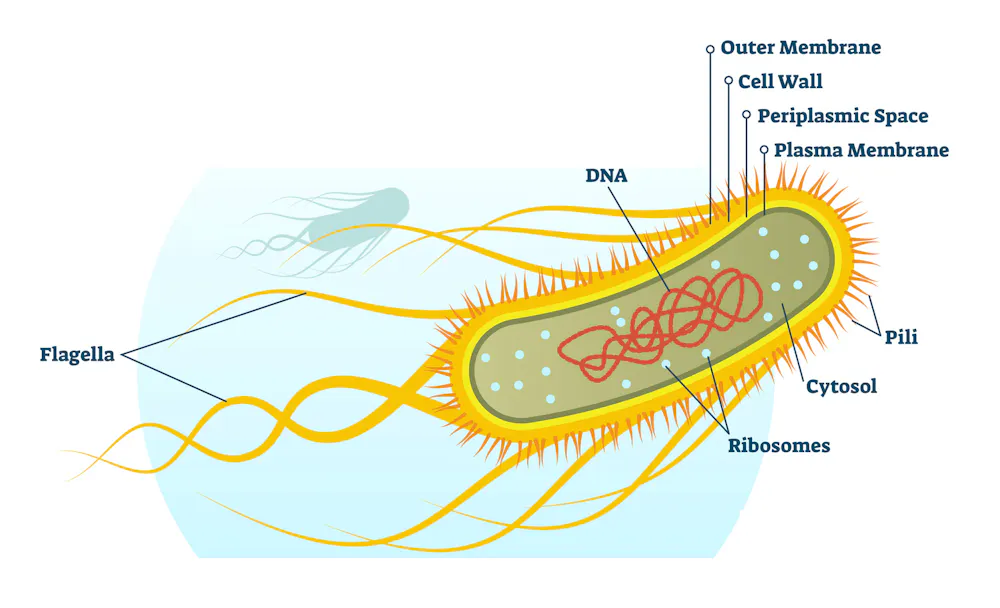 Escherichia Coli Escherichia Coli: An Overview Of Main Characteristics
It’s Not Just the Farm: The Human Factor
Here’s where it gets personal. You can be the source, too. If you don’t wash your hands after using the bathroom—and then prepare a sandwich—you’re essentially playing delivery driver for E. coli. Gross, but true. A 2018 study found that 25% of people don’t wash their hands after pooping. You do the math.
Swimming pools are another hotspot. Ever swallowed pool water and thought, "That’s fine"? Well, if a kid with a dirty diaper took a dip, the pool is now a cesspool. A single diarrhea accident can contaminate a whole Olympic-sized pool. So next time you get that chlorinated taste, remember: you’re tasting Nanny McPhee’s forgotten swim.
The Devious Travel Route
E. coli doesn’t just sit there; it hitchhikes. You can get it from undercooked burgers, unwashed cantaloupe, or even raw cookie dough (yes, the flour can be tainted). It’s a survivor. It can live on surfaces for hours. So if you cut raw chicken on a cutting board and then slice tomatoes on it without washing it—ding ding ding—you’ve just created a bacterial buffet.
International travel is a classic pipeline. In developing countries, tap water often contains E. coli from human waste. That’s why your doctor says "don’t drink the water" in Mexico or India. Your stomach is not a water filter. Stick to bottled, and maybe skip the ice cubes.
 Escherichia coli anatomy, illustration - Stock Image - F038/5851
What Happens When It Gets Inside You?
Once the bacteria colonize your gut, they produce a toxin called Shiga. This toxin basically attacks your intestinal lining, causing inflammation, bleeding, and that "I’m going to die" feeling. You won’t die, but you’ll wish you had. Symptoms hit 3-4 days later, so you won’t even connect it to that burrito until it’s too late.
In severe cases—especially in kids and the elderly—E. coli can cause hemolytic uremic syndrome (HUS), a condition where your kidneys shut down. That’s rare, but it’s real. So no, it’s not just "bad stomach cramps." It’s a biological warfare agent, and you’re the battlefield.
Can You Avoid It?
Yes—mostly. Cook your meats thoroughly. Wash your hands like you’re a surgeon. Don’t eat raw cookie dough (I know it’s tempting, but your future self will thank you). And when in doubt, throw it out. That leftover Chinese from two weeks ago? It’s not a time capsule; it’s a petri dish.
Dave survived his burrito incident, by the way. He now has a new rule: "If the gas station sells lottery tickets, don’t buy their food." Smart man. So next time you’re at a BBQ, remember: E. coli is everywhere, fighting for survival. But you have one thing it doesn’t: a brain. Use it.
