Does Water Have Iron In It

You’re standing in your kitchen, glass in hand, staring at the tap. That faint metallic tang on your tongue makes you wonder: does water actually have iron in it? The short an...
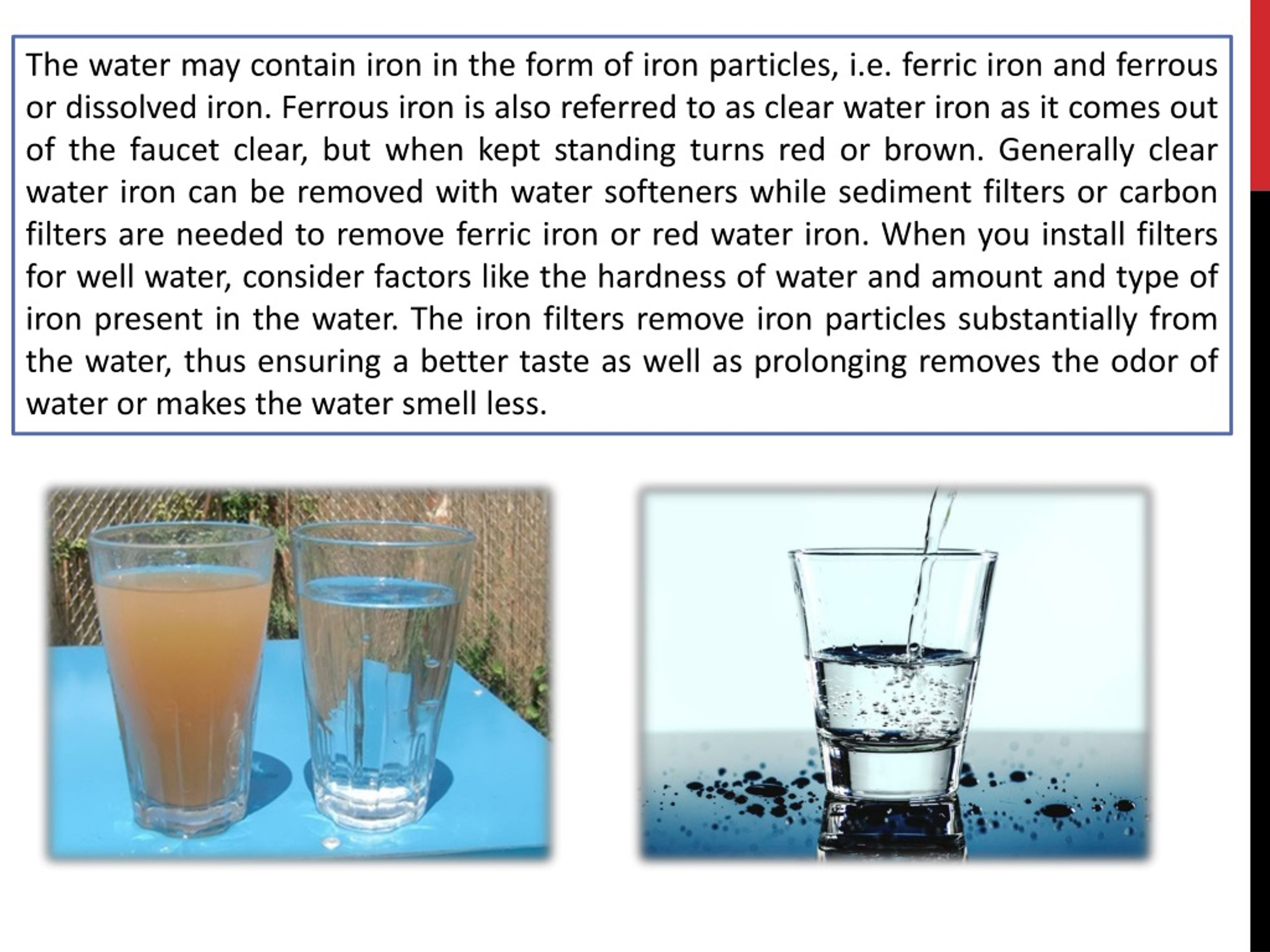
You’re standing in your kitchen, glass in hand, staring at the tap. That faint metallic tang on your tongue makes you wonder: does water actually have iron in it? The short answer is yes, but it’s not quite as simple as pouring a glass of liquid nails. Iron hangs out in water in two main forms—dissolved ferrous iron, which is invisible, and oxidized ferric iron, the rusty stuff that turns your sink orange.
Let’s get geeky for a second without losing the chill vibe. Most of the iron in your drinking water comes from the ground, where water percolates through soil and rock, picking up minerals like a souvenir shopper at a gem fair. According to the USGS, iron is actually the fourth most abundant element in the Earth’s crust, so it’s almost inevitable that some sneaks into your H₂O. The good news? The EPA sets a secondary standard for iron at 0.3 mg/L—mostly to keep your water tasting fresh and your laundry stain-free, not because it’s dangerous.
The Taste Test: Why Your Mouth Knows
Ever taken a sip and thought, “Did I just lick a penny?” That distinct metallic taste is your tongue’s way of saying, “Iron detected!” But here’s the twist: pure iron doesn’t really taste like much. The flavor comes from the iron reacting with your saliva and forming compounds that hit your taste buds like a tiny rusty wake-up call. It’s the same reason why blood has that coppery tang—because blood also contains iron.
Must Read
If your water tastes metallic, it might be a clue that your pipes are the culprits. Older homes with galvanized steel or cast iron plumbing can leach iron into your water as the pipes corrode over time. It’s not a health emergency, but it’s a solid nudge to check your plumbing and maybe switch to a filtered pitcher.
Cultural Cameos: Iron in the World’s Water
Iron in water isn’t just a modern American concern—it’s a global cameo in the story of civilization. In Iceland, the famous Blue Lagoon gets its milky-blue glow from silica and, you guessed it, iron mixed with other minerals. Meanwhile, in parts of India, iron-rich groundwater is so common that locals call it “shora pani” and use it for everything from brewing tea to dyeing fabric. Even the Roman Empire had issues: they noticed that water from iron-bearing springs turned their pristine marble fountains a sickly orange, which is why they built elaborate aqueducts to divert cleaner sources.
Pop culture tip: remember that scene in Silence of the Lambs where Clarice notes the smell of iron in the air? It’s actually a clever sensory detail—her acute observation of blood and metal. Your kitchen tap isn’t that dramatic, but the science is the same: our noses are primed to detect iron because it signals both danger (rusty pipes) and life (hemoglobin).
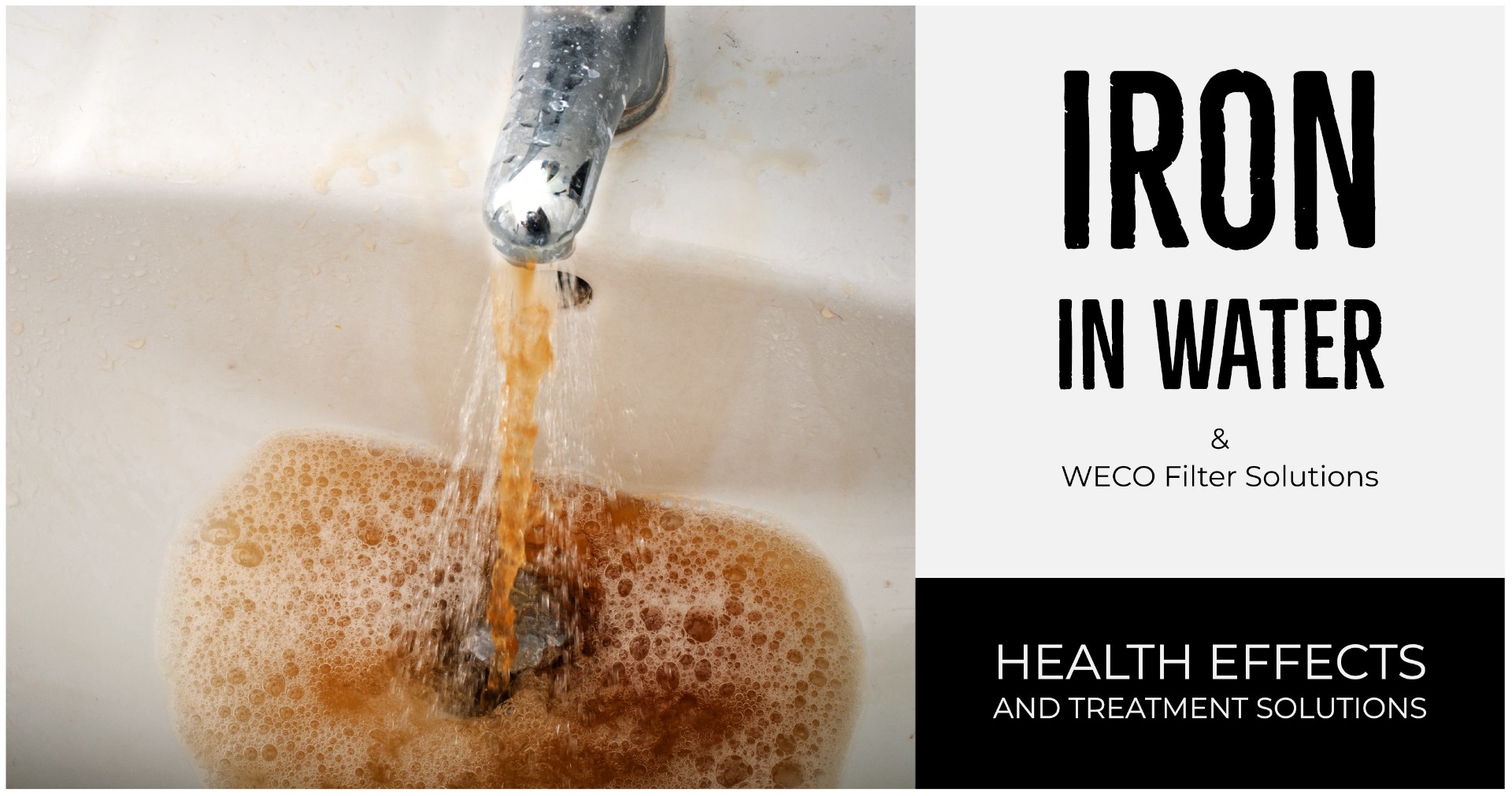 Iron - Secondary Contaminants - Water Ailments & Remedies
The Health Angle: Are You Drinking Rust?
Here’s the reassuring part: your body needs iron to survive. It’s a core component of hemoglobin, which carries oxygen in your blood. Drinking water with trace amounts of iron won’t hurt you—in fact, it might give you a micro-dose of the mineral you’d otherwise get from spinach or steak. The World Health Organization states that iron in drinking water poses no significant health risk at typical levels, and your gut actually absorbs only about 10% of the iron you consume anyway.
But there’s a catch. If you have a condition like hemochromatosis, where your body hoards iron like a dragon with gold, even small amounts from water could stack up. For most people, though, the bigger issue is aesthetic: red stains on your toilet bowl, cloudy water from oxidized iron, and that weird aftertaste that ruins your morning coffee. Pro tip: a simple water test kit from your local hardware store costs about ten bucks and takes five minutes—way cheaper than guessing.
Practical Tips for an Iron-Free Sip
If you’re determined to banish the metallic ghost from your glass, start with the easiest fix: cold water. Iron is more soluble in cold water, but oddly, it tastes less metallic when chilled. Run your tap for a few seconds before filling your glass to flush out any stale water that’s been sitting in the pipes overnight. That alone can reduce the iron load significantly.
 How to identify Iron in Water? - A Crucial Guide! - True Nectar
For a deeper solution, consider a simple cartridge filter or a whole-house water softener. Softeners use ion exchange to swap iron for sodium, which is why your water might feel silkier afterward. Just be aware that iron can clog the resin beads, so you’ll need a filter specifically rated for “iron reduction.” And if you’re feeling fancy, reverse osmosis systems are the gold standard—they remove up to 99% of iron, plus lead, chlorine, and that weird earthy smell.
Fun fact: the world’s most iron-rich natural spring is in the Czech Republic, at the Poděbrady spa, where water contains over 25 mg/L of iron. Visitors drink it medicinally for anemia, but don’t try that at home—it tastes like licking a rusty fence and can upset your stomach. Stick to the 0.3 mg/L range your tap likely provides.
The Final Sip
So, does water have iron in it? Yes, but it’s not a villain—it’s more like a quirky houseguest. It shows up uninvited, leaves stains on the bathroom sink, and sometimes makes your tea look a little murky, but it’s also a reminder of the Earth’s crust beneath your feet. That faint metallic tang is just geology in conversation with your taste buds.
Next time you fill your glass, notice the water’s clarity and aroma. If it tastes fine and looks clear, you’re winning. If not, a simple filter can send the iron packing. Either way, iron in your water is a small, harmless fact of life—like dust on a windowsill or the smell of rain. And honestly, isn’t it kind of cool that the same element that makes your blood red also makes your tap water a tiny bit more interesting? Pour yourself a glass, look at it, and give a little nod to the planet. It’s just doing what it does best—sharing its minerals.
