What Does Brown Water Mean

Last week, I turned on my kitchen faucet and gasped. Out came a stream that looked like iced tea—but not the refreshing kind. My first thought was, “Great, I’ve accidentally b...

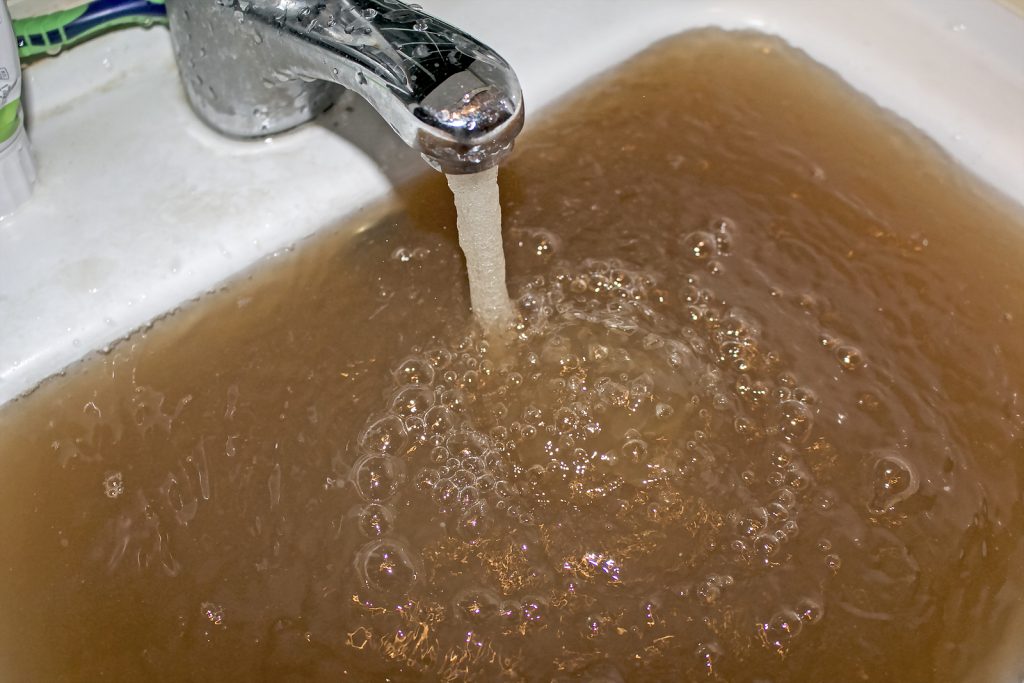
Last week, I turned on my kitchen faucet and gasped. Out came a stream that looked like iced tea—but not the refreshing kind. My first thought was, “Great, I’ve accidentally bought a house with a moat.” I panicked, called my landlord, and spent the next hour Googling “brown tap water” while trying not to imagine what was in my coffee.
Sound familiar? If you’ve ever seen brown water coming out of your pipes, you know the mini heart attack. Let’s break down what it actually means—and when you should worry (or just laugh it off).
The Usual Suspect: Rusty Pipes
Most of the time, brown water is just iron and manganese from old pipes. Think of it like a metallic tea—harmless, but unappetizing. (And yes, your white laundry will pay the price.) This happens when water pressure changes, like after a fire hydrant is used or your city flushes the mains.
Must Read
It’s usually temporary. Run your cold tap for a few minutes, and the color fades. If it doesn’t clear up after 20 minutes, then you might have a bigger issue—like a broken pipe or sediment buildup in your own home.
When It Gets Icky: Organic Matter or Pollution
Brown water in rivers or lakes means something different. That swampy color often comes from tannins—natural plant decay—which is harmless for fish but gross for swimming. (Ironic side note: “blackwater” in fish tanks is actually good for tropical species, but let’s not confuse our plumbing with aquarium science.)
However, if the brown water smells musty or like rotting eggs, we’ve got a problem. That could mean bacteria or sulfur—especially if it’s from a private well. You definitely don’t want that in your bathwater, trust me.
The “Is This Safe?” Checklist
Here’s the short version: if your brown water is clear in a glass (just colored like weak tea), it’s likely rust. Drink it at your own risk. I wouldn’t. (But I’m paranoid about staining my teeth.)
 Brown Water from Taps - Should You be Worried?
If the water is muddy or has particles floating in it, stop using it immediately. That could be sediment from a broken pipe or a sewage leak—yep, literal poop water. Call a plumber or your water company now.
The City vs. Well Water Break
City water turning brown is almost always from pipe maintenance. Your utility will usually warn you via email or a sign on your neighbor’s lawn. (Side comment: who actually reads those signs? You, now.)
Well water, on the other hand, is a wild card. Brown well water might mean the water table dropped or your pump brought up iron bacteria. That’s a fix you need a pro for—unless you enjoy orange sink stains.
The Irony of “Clean” Brown Water
Believe it or not, some people pay for brown water. I’m talking about mineral-rich spring waters from places like Japan or Iceland. They have a slight tan tint from volcanic minerals. Luxury, right? Meanwhile, your tap looks like a muddy puddle and you’re googling emergency plumbers.
 Do you have rust-colored water? What does that mean? | Waldman Plumbing
There’s also “blackwater” for fish tanks—but please don’t confuse that with your drinking water. (I promise, your goldfish isn’t judging your tap.)
When to Worry (And When to Chill)
Worry if: the water is brown and smells, your neighbors have the same issue, or you see stains that don’t wipe off. Chill if: it’s just a temporary rusty flush after construction or a hydrant test.
Pro tip: always flush your pipes before checking. Run all cold faucets for 5 minutes, then re-test. That saved me from buying water filters I didn’t need. (And from a very awkward call to my landlord about “poop water.”)
The Takeaway: Brown Water Isn’t Always a Disaster
Most of the time, brown water is a betrayal of old infrastructure, not a health crisis. But your nose and eyes are your best tools. If it smells bad or looks like mud, stop drinking it and investigate.
So next time you see that iced-tea stream, take a deep breath. Check your pipes, ask a neighbor, and remember: it’s probably just leftover iron from when your building was built in 1978. (Or, if you’re me, you’ll just stare at it for ten minutes, then order pizza delivery. Water can wait.)
