Does Brita Filter Out Pfas

You’ve probably seen the headlines. PFAS, the “forever chemicals” lurking in tap water, are suddenly a dinner-table topic. And your trusty Brita pitcher is sitting there on th...
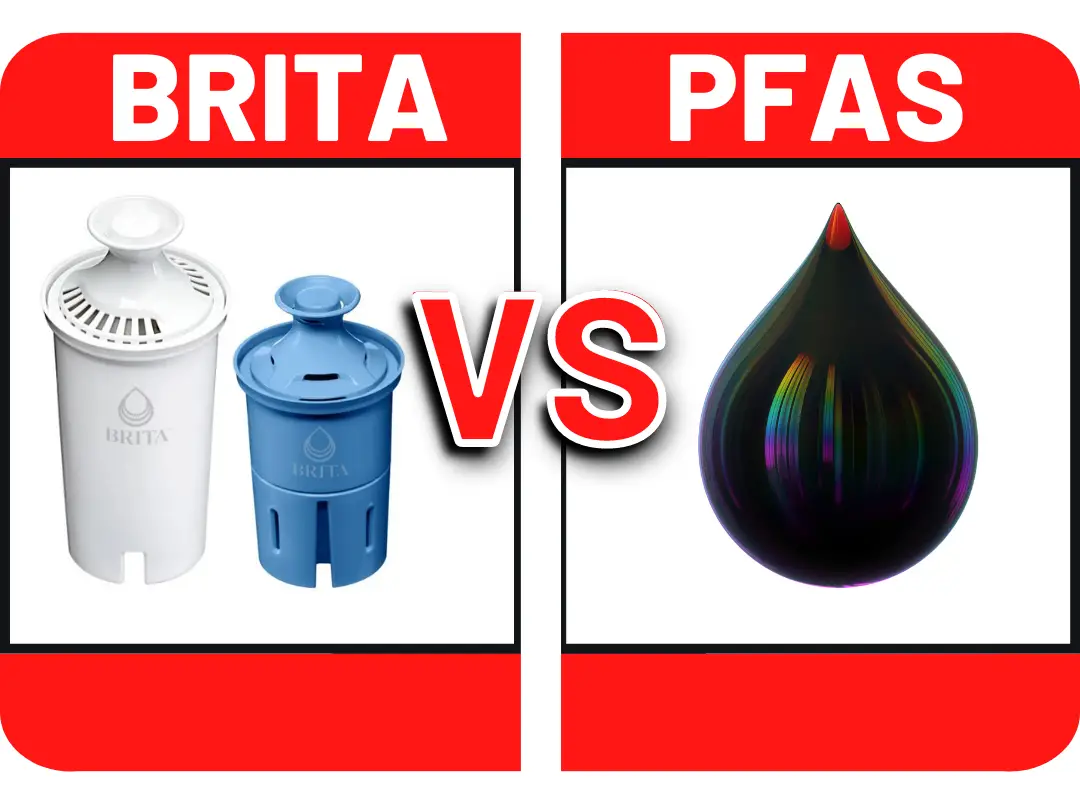
You’ve probably seen the headlines. PFAS, the “forever chemicals” lurking in tap water, are suddenly a dinner-table topic. And your trusty Brita pitcher is sitting there on the counter, looking at you with those judgmental blue eyes. Can it handle this? The short answer is: partly, but not completely. It’s like asking a stylish tote bag to carry your moving boxes—great for groceries, not so great for a full apartment haul.
The science is straightforward but a little sneaky. Standard Brita filters—the classic white and blue ones—use activated carbon. This material is excellent at grabbing big things like chlorine, bad tastes, and some heavy metals. But PFAS molecules are tiny, slippery, and incredibly stubborn. They were literally designed to not break down, which is why they’re in everything from non-stick pans to rain jackets.
A study from Duke University dropped a bit of a bombshell. They tested dozens of filters, and ordinary Brita pitchers only removed about 60 to 70 percent of PFAS. That sounds decent, but it leaves scary amounts behind. Think of it as a bouncer at a club who stops half the troublemakers—but lets the sneaky VIP ones slip right past.
Must Read
The Upgrade: Enter the Brita Elite
Don’t toss your pitcher just yet. Brita makes a more expensive filter called the Elite (or Longlast+). It uses a denser, more advanced carbon blend. Independent tests show it can filter out over 95 percent of PFOA and PFOS—two of the most common and harmful PFAS types. That’s a massive leap from the standard filter.
Here is the cultural catch: your little plastic pitcher is still not a reverse osmosis system. Brita filters don’t use ion exchange or membrane technology, which is what truly strips out every PFAS molecule. So while the Elite filter is a hero, it’s a budget-friendly hero. It’s the indie film that wins awards—not the billion-dollar blockbuster.
Fun fact: PFAS have been nicknamed the “forever chemicals” because they don’t degrade in the environment. They’ve been found in Arctic ice, polar bears, and even human breast milk. If that doesn’t make you rethink your water game, nothing will. It’s like discovering your quiet neighbor is actually a retired spy—suddenly, everything feels a little more complicated.
Practical Tips for the Modern Pitcher Owner
Tip one: If you already own a Brita, buy the Elite replacement cartridges. They cost about five bucks more but triple your PFAS removal power. Think of it as upgrading from economy to premium economy—you still don’t get a lie-flat bed, but you get much better snacks.
 Do Brita Filters Remove PFAS from Drinking Water?
Tip two: Change your filter on time, or even earlier. A clogged, old filter actually releases trapped contaminants back into your water. Yes, you read that right. An overused Brita can become a PFAS dispenser. Set a calendar reminder on your phone—future you will thank you.
Tip three: For total peace of mind, consider a countertop filter with a solid carbon block and ion exchange resin. Brands like ZeroWater or Clearly Filtered are the heavy lifters. They’re bulkier and pricier, but they test to near-zero PFAS. It’s the difference between a trendy reusable water bottle and a rugged camping canteen.
Here’s the vibe check: most people don’t need to panic. Tap water in the U.S. and Europe is generally safe, even with trace PFAS. The EPA has set health advisory levels, but “safe” and “perfect” are different words. A Brita Elite is a solid middle ground—great for taste, smell, and reducing your chemical load without breaking the bank.
The Pop Culture Connection
Remember the scene in Legally Blonde where Elle Woods explains that the perm solution used on her hair is chemically identical to the one used on the defendant’s? That same “aha” moment applies here. The carbon in your Brita is basically the same stuff used in industrial water treatment plants—just on a much smaller scale. Scale matters, darling.
 Do Brita Filters Remove PFAS? A Comprehensive Guide – Alkaline Pitcher
Even your favorite coffee shops might not be immune. Those cold brew towers with built-in filters? Many use basic carbon cartridges. So if you’re PFAS-paranoid, you might want to ask your barista what’s in their filtration game. “Is your green tea actually green?” could be your new hipster battle cry.
One more fun fact: PFAS were developed by 3M and DuPont in the 1940s for the Manhattan Project. Seriously. They were used to coat uranium hexafluoride containers. So when you filter your water, you’re literally cleaning up a byproduct of Cold War-era science. That’s a heavy origin story for your morning glass of water.
A Little Reflection for Daily Life
At the end of the day, your water filter is a choice—not a salvation. No single appliance will solve every problem, but small, consistent actions build a healthier life. Changing your Brita filter feels a bit like flossing: annoying, easy to skip, but quietly vital.
The real takeaway isn’t to fear your tap. It’s to stay curious. Read the labels, check the tests, and upgrade only when it feels right. PFAS are everywhere, but so is human ingenuity. You don’t need to be a chemist to drink better water—you just need a little knowledge and a willingness to change your cartridge.
So go ahead, pour yourself a glass. If you’ve got an Elite filter, sip with confidence. If you’re still using the old blue one, maybe consider an upgrade. Either way, know that you’re doing something. And in a world of forever chemicals, doing something is a pretty good start.
