How Does Lead Get In Water

You know that moment when you fill a glass of water, take a sip, and wonder, “Is this actually *good* for me?” You’re not alone. It’s a nagging thought, like realizing you lef...
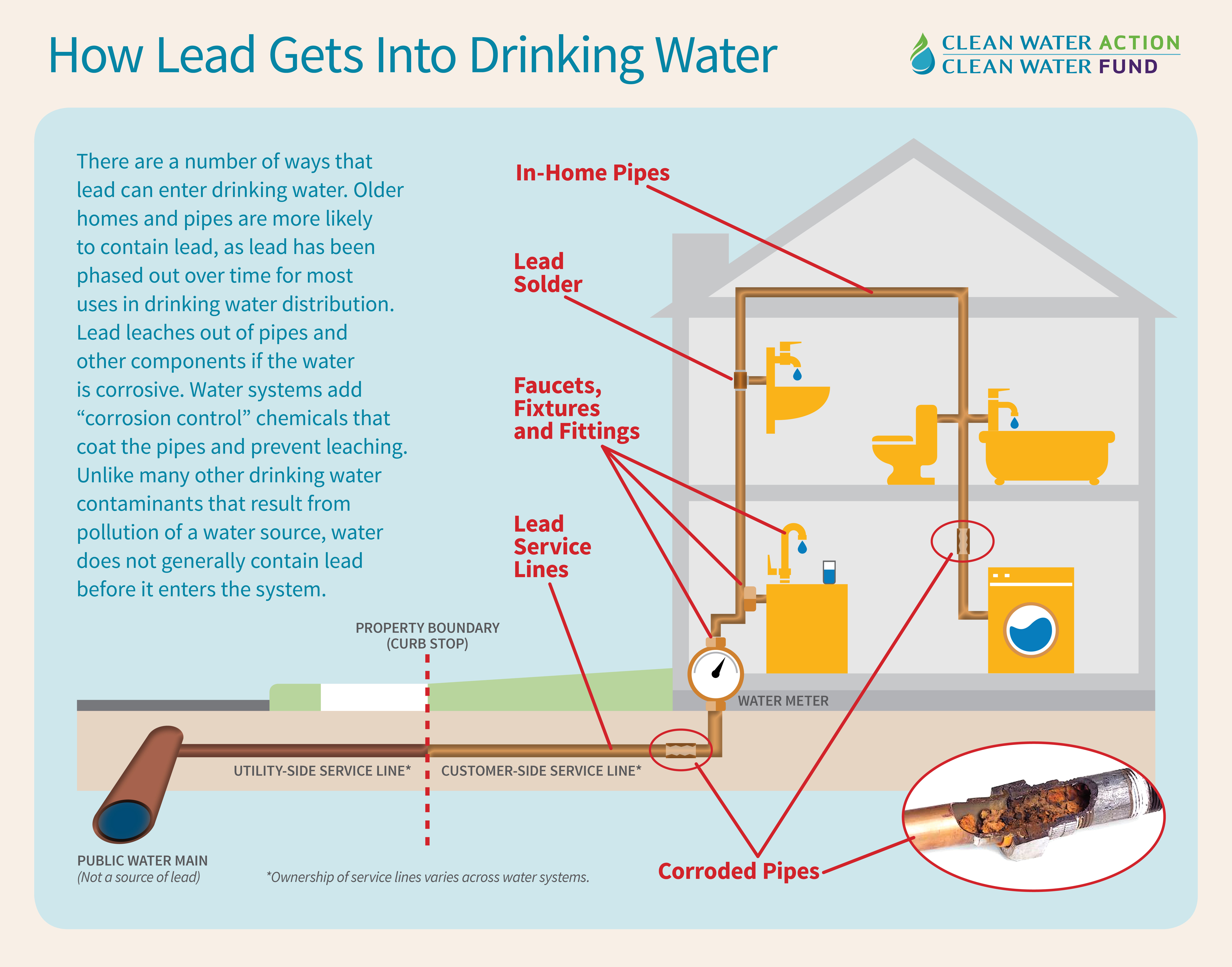
You know that moment when you fill a glass of water, take a sip, and wonder, “Is this actually good for me?” You’re not alone. It’s a nagging thought, like realizing you left the garage door open but can’t remember if you closed it. One of the biggest culprits in that nagging feeling is lead — and how it sneaks into your water is a story that’s part DIY horror flick, part plumbing history lesson.
The Pipe Problem: Old Houses and Bad Choices
Imagine your house is like a vintage car. It looks cool, but the wiring is a mess. Many homes built before 1986 used lead pipes or lead solder to connect copper pipes. It was the standard, like wearing bell-bottoms, but way worse for your health.
Here’s the kicker: water doesn’t just sit in those pipes. It interacts with them. If the water is slightly acidic — think of it as water with a grouchy attitude — it can nibble away at the lead. That lead then rides along into your glass like an unwanted hitchhiker on a road trip.
Must Read
The worst part? You can’t see it. Lead is invisible, tasteless, and odorless. It’s the ninja of contaminants, and your sink is its dojo.
The Chemistry of a “Bad Hair Day” for Your Water
Water is naturally grabby. It wants to dissolve everything it touches. When it flows through lead pipes, it picks up tiny lead particles, especially if the water sits still for hours. Think of it like letting a tea bag soak too long — only this tea is toxic.
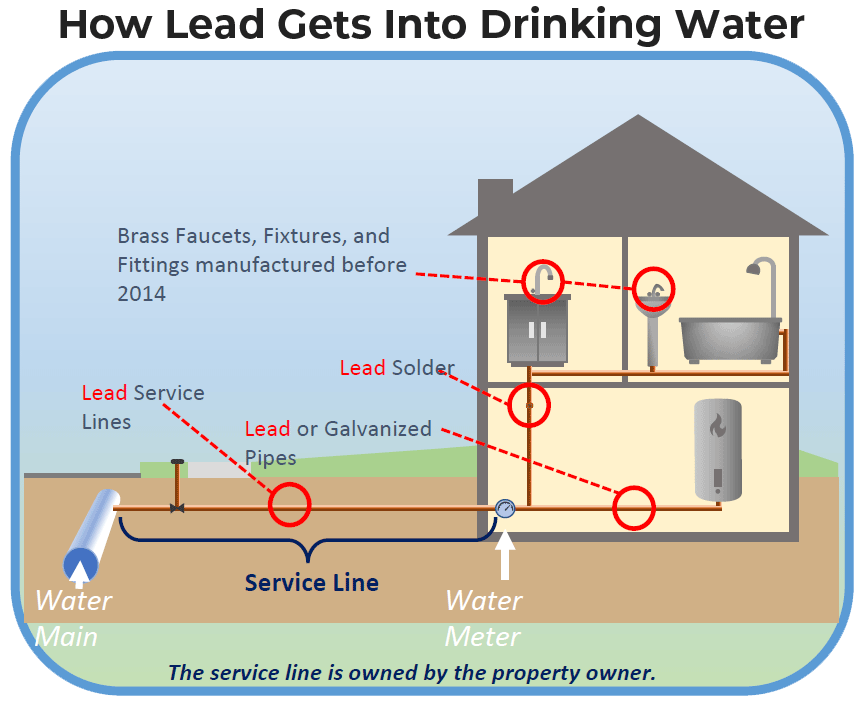
And it’s not just old pipes. If your house has brass fixtures or faucets that were made before 2014, they might contain lead, too. Every time you turn on the tap, you’re basically asking the faucet, “Hey, got any souvenirs for me?” And it says, “Sure, here’s a lead molecule.”
It’s not your fault, of course. You didn’t install those pipes. But it’s like inheriting a vintage sofa that smells like mothballs — you didn’t choose it, but now you have to deal with it.
The “Silent” Change: How City Water Gets into the Act
Even if your house has modern pipes, the water coming from your city’s main line might be the problem. Municipal water systems built before the 1940s often used lead service lines — the pipe that connects the main under the street to your home. That’s a long, shared straw of trouble.
 Lead results not easily accessible for Adams Co. residents
When a city switches its water source or changes how it treats the water, it can mess with the water’s chemistry. Suddenly, water that was previously “friendly” to the pipes becomes acidic and starts dissolving lead. It’s like when you switch from your usual coffee to a different roast — everything just tastes off.
A famous example? Flint, Michigan. The city switched water sources, and the new water wasn’t treated properly. It corroded the lead pipes big-time. Thousands of families ended up with lead levels high enough to cause health scares. It’s a cautionary tale that proves your water’s personality depends on where it comes from and how it’s treated.
Brass Fixtures: The Sneaky Guest
Here’s a fun fact: even “lead-free” plumbing parts aren’t always completely lead-free. Until recently, the law allowed up to 8% lead in brass fixtures. That’s like saying a cookie is “sugar-free” but still has honey in it.
Newer fixtures (2014 and later) are much better, but older homes might have faucets that leach lead into your first glass of water each morning. It’s why the EPA suggests letting the water run for 30 seconds before using it. That flushes out the water that’s been sitting in the fixture.
I personally do this every morning, but I’m pretty sure I’m just wasting water and praying. It’s the plumbing equivalent of crossing your fingers before a test.
It’s Not Just Pipes: The “Corrosion” Diet
Sometimes, the problem isn’t the pipe — it’s the water’s chemistry. Water that is high in acidity (low pH) or low in minerals is naturally more corrosive. Think of it as water that went to the gym and got biceps. It wants to tear through metal.
 Lead Awareness – City of Lincoln, NE
On the flip side, water that’s hard (with lots of calcium and magnesium) can actually form a protective coating inside pipes. That coating shields the water from lead. So, hard water might be annoying for your shower, but it’s a bodyguard for your health.
So if your water is soft and you have old pipes, you’re basically in a retirement home with a loose guard rail. It’s not a crisis yet, but you should definitely install a filter or test your water.
The “You’re Not a Scientist” Moment
Testing for lead is easy, but most of us never do it. We assume it’s fine because our water looks clear and tastes okay. But lead is a cumulative poison. It builds up in your body over time, like pocket lint in a dryer filter. You don’t notice, but it’s there.
The good news? You can protect yourself. Use a certified lead-removing filter on your kitchen tap. Let water run for a minute in the morning. And if your home is old, consider replacing the pipes. Yes, it’s expensive. But so are hospital bills.
To sum it up: lead gets into your water through old pipes, cranky water chemistry, or badly-made faucets. It’s like that weird thing your uncle does at family dinners — it’s been going on for years, it’s not great, but you can manage it if you know about it.
So go ahead, pour yourself a glass of water. Just maybe let it run a little first. Your future self will thank you.
