How Does Well Water Refill

You’re standing at the sink, waiting for that glass of water to run cold, and you hear the pump kick on. It’s that familiar thrum—like a lazy cat stretching after a nap. And y...
You’re standing at the sink, waiting for that glass of water to run cold, and you hear the pump kick on. It’s that familiar thrum—like a lazy cat stretching after a nap. And you think, “Where does all this water come from, anyway?” It’s a fair question, especially when your town water comes from a pipe, not a secret underground lake.
The short answer? Well water refills the same way your coffee cup gets refilled at a diner—just a lot slower and with way more dirt. It’s all about the water table, that soggy sponge deep underground. Think of it as nature’s own leaky faucet, slowly dripping into your well’s personal bucket.
Now, if you’ve ever watched a kids’ pool fill up from a garden hose, you get the basic idea. But instead of a hose, Mother Nature uses rain and snowmelt. These drips and trickles percolate through layers of sand, gravel, and rock—like a giant, slow-motion coffee filter.
Must Read
The Great Underground Sponge
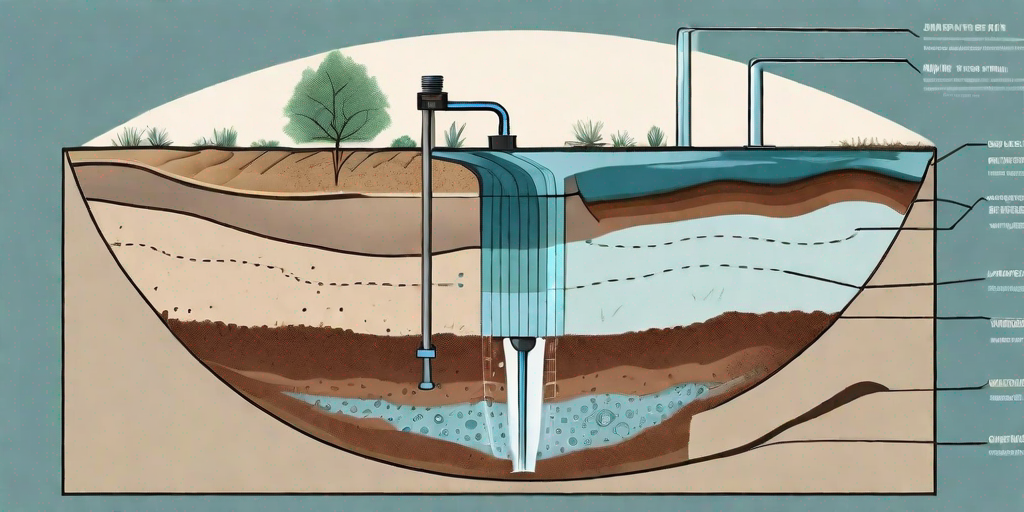
Imagine your backyard has a giant, invisible sponge about 50 feet down. That sponge is the aquifer. When it rains for a week straight, that sponge gets heavy and happy. When we have a drought, it feels like a dry, crusty dishrag.
Your well is just a straw stabbed into that sponge. When your pump suck, it’s like you slurping the last of a milkshake. The sponge around the straw collapses a little, creating a dip called the cone of depression.
Don’t worry—the sponge doesn’t stay flat. Water from the surrounding sponge slowly seeps back in, filling the straw again. It’s like when you dent a pillow and then watch it fluff back up. Patience, grasshopper.
Rain Dance? More Like Gravity Dance
Here’s the thing: well water refill isn’t magic—it’s gravity. Water is lazy. It hates being uphill. So it always tries to find the lowest point, and it wiggles its way through cracks in rock like a raccoon squeezing under a fence.
I once had a neighbor, Old Pete, who swore his well refilled faster after a full moon. Nope, Pete. That was just the drainage from his neighbor’s overwatered petunias. The real factor is porosity—how much empty space is in the ground.
 How Does A Water Well Work at Victoria Riley blog
Think of it like the difference between a pile of boulders versus a pile of sand. Boulders have big gaps (high porosity), so water rushes in. Sand has tiny gaps (low porosity), so water takes a nap on the way down. Your well’s recovery rate depends on how chunky or fine your underground scenery is.
The “Slow Pour” Reality Check
Here’s where the comedy kicks in. If you run a marathon shower while the washing machine is going, your well pump might start gasping—like you after climbing stairs with a full shopping bag. That “sputter” sound? That’s the well saying, “Hey, slow down, I’m still catching my breath!”
This is called the well’s recovery rate, measured in gallons per minute. Most domestic wells recover at 3 to 10 gallons per minute. That’s about the speed of a medium-sized kitchen faucet. Not exactly a fire hydrant, is it?
So if you flush the toilet, start the dishwasher, and then turn on the hose for a kiddie pool, you’re basically asking that one straw to deliver a Slurpee to three people at the same time. Good luck with that.
The Great Recharge Cycle
In the winter, your well gets a break because the ground is frozen. Snow piles up like a giant white blanket, and when it melts in spring, it’s bay day for the aquifer. That meltwater is the best refill a well can ask for—like a free refill at a soda fountain.
 Parts Of A Water Well Pump - Infoupdate.org
But summer? Hot, dry weeks can make your well feel like it’s on a diet. The water table drops, and your pump has to work harder. It’s like trying to suck a thick milkshake through a tiny straw while wearing a wool sweater in July. Annoying and inefficient.
One summer, I watched my neighbor’s well run dry during a drought. He started watering his lawn with leftover pasta water. True story. The next year, he installed a low-flow toilet and learned the sacred art of taking five-minute showers.
So, What Can You Do?
First, don’t panic. Most wells refill just fine, like a steady friend who’s always late but always shows up. Second, spread out your water usage. Don’t do “The Great Laundry Day” and “The Power Shower Hour” at the same time. Spread the love.
If your well is slow, consider a storage tank. It’s like having a backup water bottle beside your desk—helps you survive meetings where nobody remembers to refill the big jug.
And finally, test your water annually. It’s like taking your car for an oil change. You don’t think about it until you hear a weird noise. Then it’s too late, and you’re drinking little bits of your own backyard.
So next time you hear that pump hum, smile. That sound is the rhythm of patience—nature’s slow pour, gravity’s gentle nudge, and your own little slice of the underground sponge. Just don’t ask it to refill faster than a teenager can drain a two-liter of soda. That’s just not how the deep stuff works.
