How Does A Fridge Make Ice

Have you ever stood in front of your fridge, grabbed an ice cube, and thought, “How do you even do that, magic box?” It’s such a mundane miracle that we rarely stop to appreci...
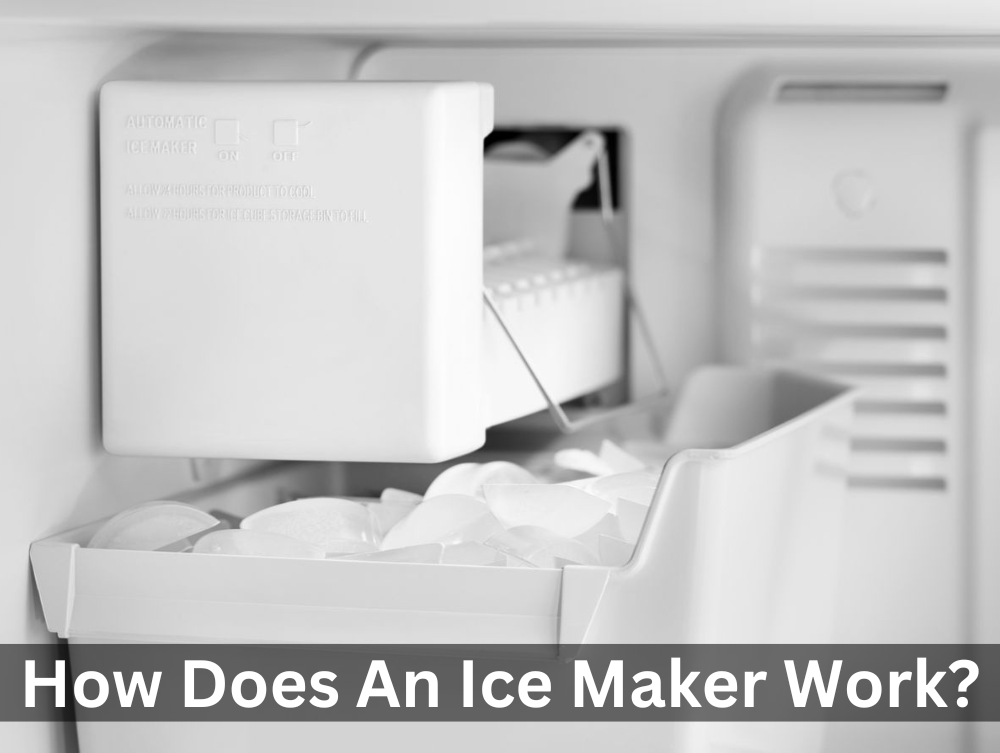
Have you ever stood in front of your fridge, grabbed an ice cube, and thought, “How do you even do that, magic box?” It’s such a mundane miracle that we rarely stop to appreciate the chilly wizardry inside. Well, grab a cold drink (with or without that ice), and let’s chat about how your fridge turns plain old water into frosty little squares.
First off, let’s clear up a common myth: your fridge does not create cold out of thin air. It’s actually a heat thief. Yes, that’s right—your refrigerator is a sneaky, cold-hearted burglar that steals heat from inside and dumps it into your kitchen. It’s like a tiny, silent villain with a mission to keep your leftovers safe.
The Magic Loop: How the Fridge Steals Your Warmth
Inside your fridge, there’s a special fluid called refrigerant. It starts as a gas, gets squeezed into a liquid by a compressor (imagine a tiny, grumpy pump), and then it expands into a coiled tube called the evaporator. As it expands, it gets super, super cold—like below freezing cold.
Must Read
This cold tube is the heart of your freezer compartment. It’s basically a sweating heat vampire. Warm air from the freezer gives up its heat to the cold tube, and that air’s temperature drops. The refrigerant then carries that stolen heat back to the back of your fridge, where it releases it into the room. Your kitchen gets a tiny, useless heat bump, and your freezer becomes an ice kingdom.
Now, About That Ice: The Secret to Cubed Perfection
So where does the ice tray fit into this? Most modern fridges have an automatic ice maker, which is basically a tiny robot with a water hose and a timer. Here’s the step-by-step heist:
Step 1: Water flows into a curved mold. This mold sits right against that super-cold evaporator tube. The tube is so cold that it starts pulling heat out of the water faster than a kid steals cookies from a jar.
Step 2: The water gets shivery. Because the mold is metal and touches the cold tube directly, water freezes from the outside in. That’s why ice cubes are clear in the middle if you make them slowly, or cloudy if they freeze too fast—air bubbles get trapped. Pristine ice? That’s fancy engineering.
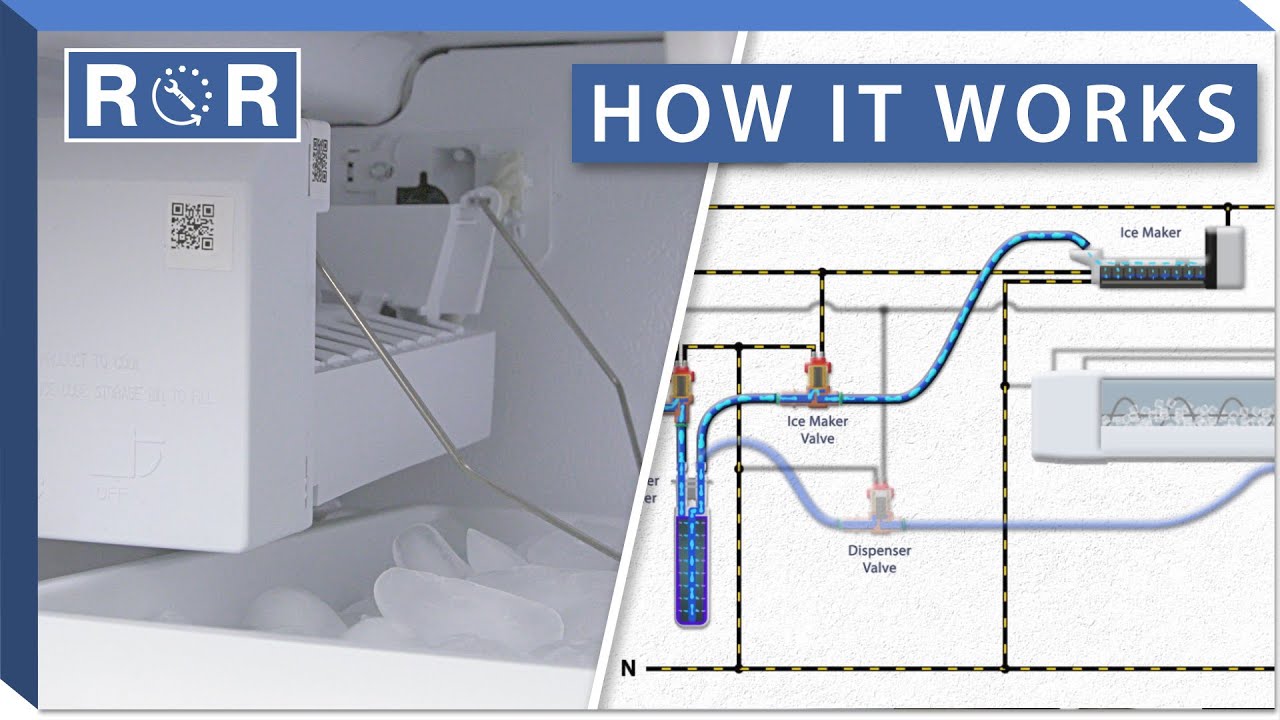 How Does The Ice Maker Work On A Lg Refrigerator at Saul Carroll blog
Step 3: A little heater inside the mold kicks on for a few seconds to loosen the cubes. Then a motorized arm pushes them out into a bin. Plink, plink, plink. It’s like a tiny, mechanical waterfall of joy. Some fridges even have a sensor that stops making ice when the bin is full, because your smart fridge knows you can’t possibly use that many cubes for a single glass of lemonade.
Fun fact: If your ice maker ever makes weird, hollow cubes? It’s probably low on water pressure. No, your fridge is not trying to prank you. Probably.
But What About Manual Ice Trays? Are They Lazy?
Oh, the humble ice tray—the hero of a thousand warm sodas. You fill it, slide it in, and wait. Without a fancy robot, your fridge still works the same heat-stealing way. The cold air in the freezer (now -18°C or 0°F) surrounds the tray. The water loses heat to the air, the air dumps that heat into the refrigerant, and boom—you have ice after a few hours.
The key difference? Time. An automatic ice maker freezes water in about 90 minutes because the mold touches the cold tube directly. Your tray takes longer because it relies on cold air circulation. But hey, good things come to those who wait, right? Especially when that good thing is a chilly cube for your iced coffee.
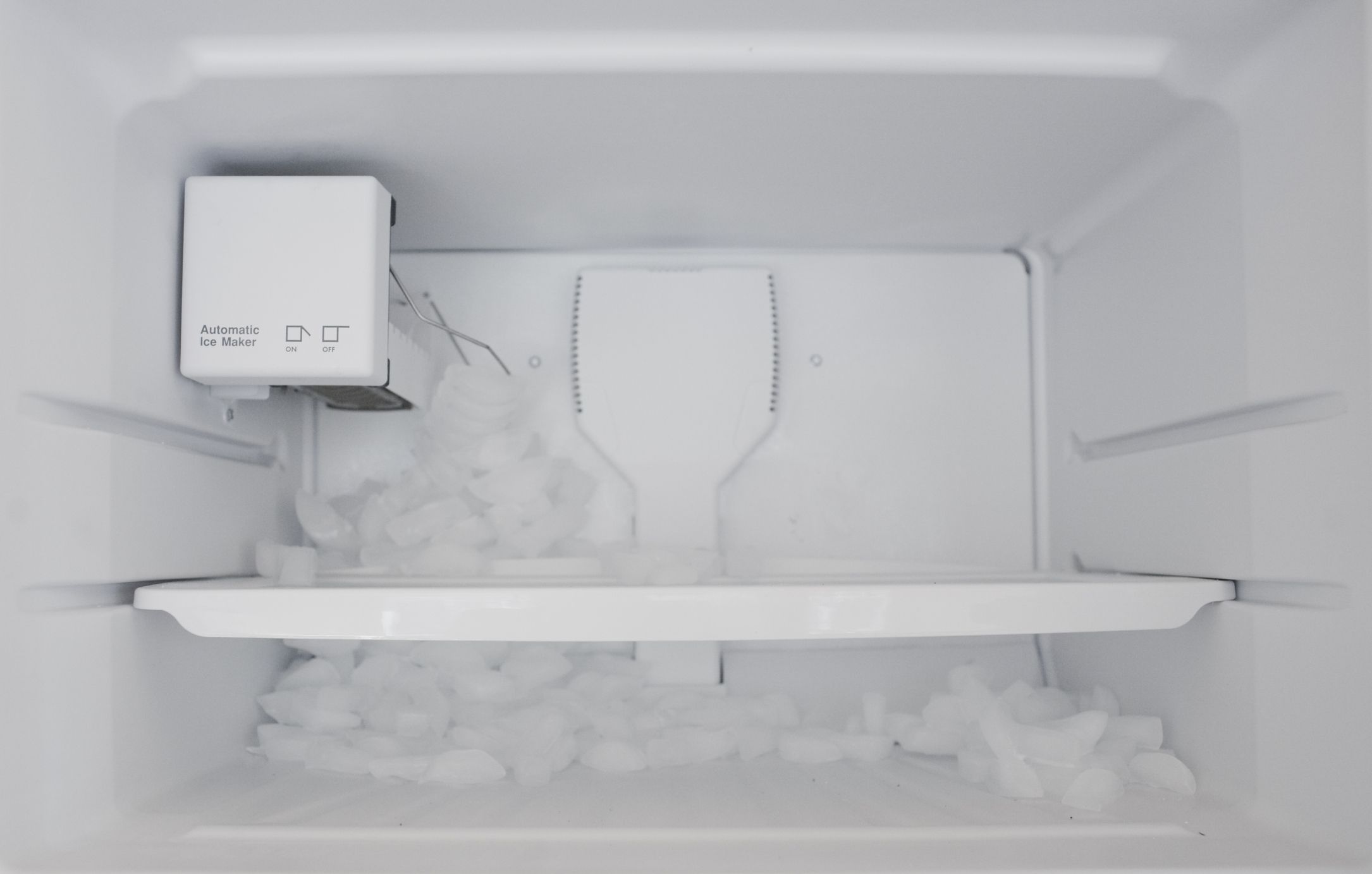 How Does A Refrigerator Ice Maker Work | Storables
Why Isn’t All Ice the Same? (Science Gets Silly)
Have you ever noticed that some ice cubes from a store look crystal clear while your home cubes look like foggy little ghosts? It’s all about agitation. Commercial ice makers agitate the water as it freezes, preventing air bubbles from forming. Your home fridge? It just lets the water sit there like a lazy pond. So, your cubes are a bit milky. They’re still perfectly cold, just artisanal. Call them “rustic ice” and charge extra.
Also, if your ice tastes funny? That’s not the fridge—that’s your water. Hard water or old pipes can leave mineral deposits. A filter can fix that, unless you enjoy a subtle, crunchy hint of calcium. No judgment.
The Real Takeaway: Your Fridge Is a Cold-Hearted Genius
So next time you crack open a fresh bag of store-bought ice or hear that satisfying thunk from your automatic maker, give your fridge a little nod. It’s working 24/7, stealing heat from your water, and freezing it into perfect little ice soldiers. It doesn’t ask for a thank-you, or even a wipe-down of the sticky shelf.
And here’s the uplifting part: In a world full of chaos, the ice in your glass is a little victory. A cold, reliable, predictable cube of happiness. It means someone (or something) cared enough to make your drink refreshing. You’ve got ice. You’ve got a fridge that does its job. You, my friend, are winning at life. So go ahead—clink that glass, sip that cold drink, and smile. You’re living the frosty, blessed life.
