How Does A House Well Work

Ever wonder where your tap water actually comes from? It’s not magic. It’s a house well. And it’s way cooler than you think. Let’s get one thing straight: a well isn’t just a...

Ever wonder where your tap water actually comes from? It’s not magic. It’s a house well. And it’s way cooler than you think.
Let’s get one thing straight: a well isn’t just a hole in the ground. It’s a straw for the Earth. A giant, wet, underground milkshake straw. And you’re about to drink from it.
First, Where’s The Water?
Rain falls. It soaks into the soil. It keeps going down until it hits solid rock. That’s where the aquifer lives. Think of it as a giant underground sponge.
Must Read
This isn’t a little puddle. Aquifers can be miles wide. Some are ancient, holding water that fell as rain thousands of years ago. You’re basically drinking dinosaur-era drops.
The Cast of Characters
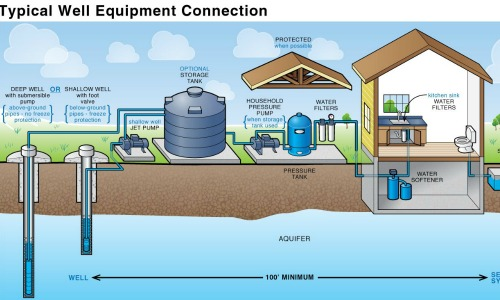
Your well isn’t just one thing. It’s a crew. First, there’s the casing. That’s a big metal or plastic pipe. It goes deep into the ground to keep dirt from caving in.
The casing is a security guard. It stops nasty surface water from crashing the party. Below that, you’ll find the screen. It’s like a sieve for sand and gravel.
Enter The Pump
This is the muscle. A submersible pump sits at the bottom of your well. It’s sealed tight and lives underwater forever.
Turn on a faucet, and that pump wakes up. It pushes water up the pipe with surprising force. Some pumps can shoot water from hundreds of feet below your feet.
Fun fact: these pumps are about the size of a fire extinguisher. They work silently, like a ninja in the dark.
The Pressure Tank: The Unsung Hero
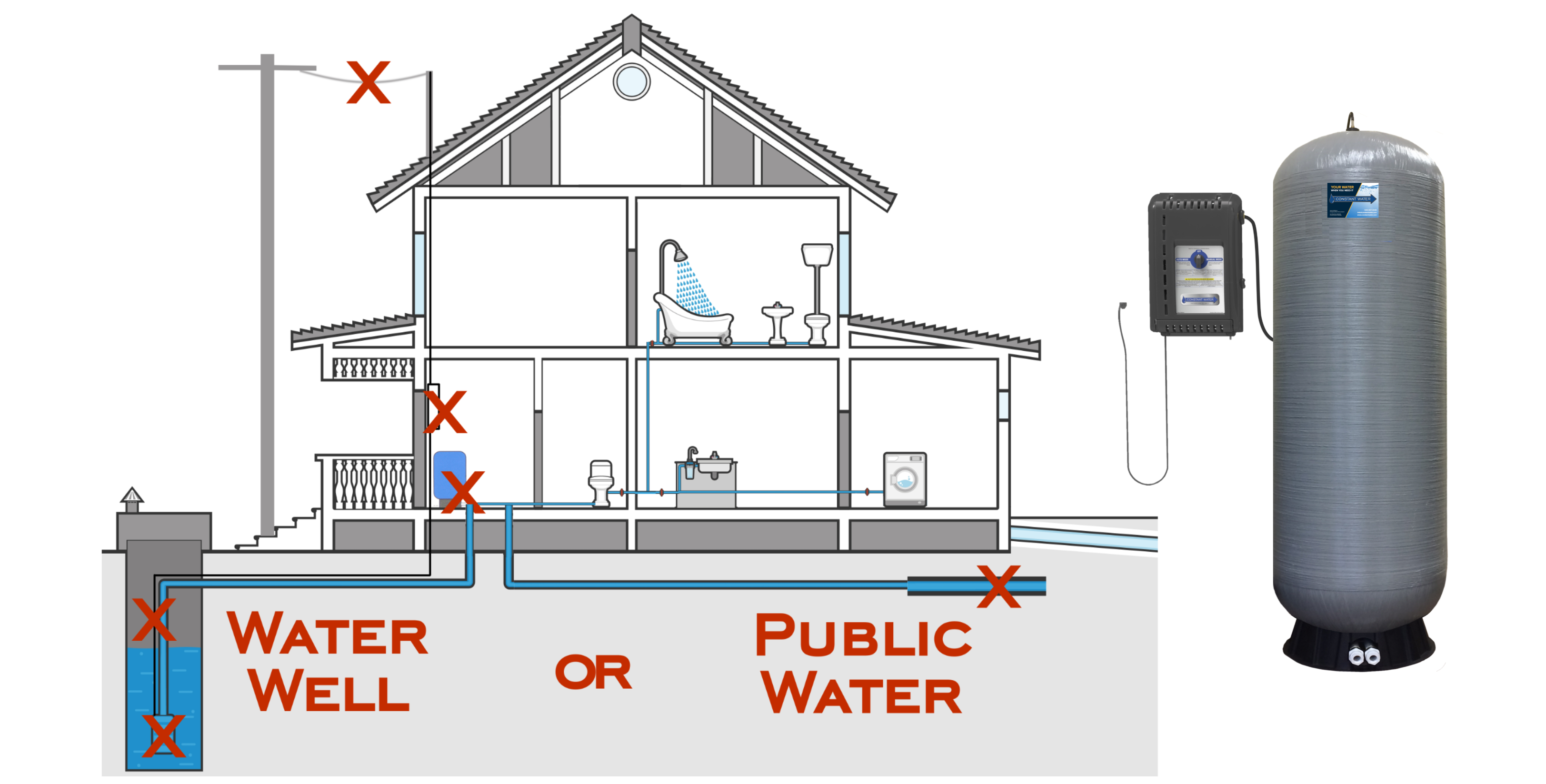
You don’t want the pump running every time you flush. That would be annoying. Instead, water goes into a pressure tank first.
Imagine a metal balloon filled with air and water. The pump fills it up until the air is squeezed tight. That pressure pushes water to your faucet without the pump lifting a finger.
It’s a tiny energy bank. A clever, metal piggy bank for water pressure.
What About Dirt?
Well water can carry surprises. Sand, silt, even mineral flakes. That’s why you have a sediment filter. It’s a fine mesh that catches the grit.
 Home Water Well Diagram Denmark Water Monitoring Data | South Carolina
Some wells need extra help. You might have a water softener. That’s a machine that swaps hard minerals for soft ones. It makes your hair silky and your dishes spotless.
Quirky fact: softeners use salt. You’ll buy 40-pound bags of it. Your well has a salty appetite.
The Well Head: The Crown
Outside, you’ll see a pipe sticking out of the ground. That’s the well head. It has a fancy cap to keep bugs, frogs, and rain out.
Don’t ignore it. That cap is your well’s helmet. If it’s cracked, you can get weird stuff in your water. Like bacteria. Or a confused worm.
Most well heads are just a few inches above the grass. Easy to trip over. Hard to forget once you do.
Why It’s Actually Awesome
You pay zero water bill. No municipality, no meter. Just a little electricity for the pump. The water is yours, straight from the ground.
It tastes different, too. Mineral-rich water has a clean, crisp bite. City water often tastes like chlorine and swimming pools. Well water? That’s the Earth’s pure recipe.
Plus, you’re self-sufficient. When the city has a boil-water advisory, you’re fine. Your well is an independent kingdom of H2O.
The Weird Part: Recharging
The water in your well isn’t infinite. It refills from rain. That’s called recharge. It’s a slow process.
If you have a drought, your well might run dry. The pump starts sucking air. That’s a scary gurgling sound. It means you need to conserve until the clouds cooperate.
 Home Well Systems Diagram Simple Pump Support | Simple Pump Well Pump
A good well lasts 20 to 40 years. Then things wear out. Pumps burn up. Casing rusts. It’s a underground machine, and machines need love.
The Science Bit (That’s Actually Fun)
How deep does a well go? It depends. Some wells are only 50 feet. That’s a shallow well for a small family. Others plunge 500 feet or more. That’s a heavy-duty drinking straw.
Drilling a well isn’t a shovel job. It’s a massive truck with a rotating drill bit. It can take days. It makes a mess. And it costs thousands of dollars.
But once it’s done? You have liquid treasure on tap, 24/7.
Funny Little Dangers
Never drink water from a well that hasn’t been tested. It might hold coliform bacteria from animal poop. Gross, but true. Test it yearly like a doctor visit.
Also, well water can be high in radon (radioactive gas) or arsenic. That sounds scary, but it’s fixable. A simple filter handles most issues.
Moral of the story: your well is a wild, untamed spring. You just need to tame it a little.
Final Sip
A house well is a secret partnership. You make a hole. The Earth fills it with water. It’s the world’s oldest plumbing system.
Next time you take a gulp, think about it. You’re drinking from a deep, dark, ancient ocean. And that pump? It’s your quiet, hardworking friend.
Cheers to the well. It’s wet, wild, and wonderfully your own.
