What Is The Purified Water

Let’s be honest: water can be a little confusing. You’ve got tap, spring, distilled, alkaline, and the fancy stuff in glass bottles with French names. But today, let’s chat ab...

Let’s be honest: water can be a little confusing. You’ve got tap, spring, distilled, alkaline, and the fancy stuff in glass bottles with French names. But today, let’s chat about the quiet, hardworking hero of the hydration world: purified water. It’s not trying to be fancy, but it’s probably the best friend your body never knew it had.
So, what exactly is it? Think of it as water that went through a serious spa treatment. Tap water starts out fine, but it often picks up hitchhikers along the way—things like chlorine, lead, or microscopic bacteria. Purified water has had all those uninvited guests shown the door, usually through a process like reverse osmosis or distillation. The result? Water that’s about 99.9% pure H2O, stripped down to its cleanest, simplest self.
Why should you, a busy person with better things to worry about, actually care?
Remember that time you made coffee and it tasted a little… weird? Like a faint hint of swimming pool? That was likely the chlorine in your tap water. When you use purified water for your morning brew, the coffee tastes like, well, coffee. It’s smoother, richer, and your morning ritual suddenly feels like a cozy indulgence rather than a chore.
Must Read
It’s not just about taste, though. Imagine you’ve got a beautiful, crisp white shirt. You drop a little red wine on it. If you scrub with pure water, the stain lifts away easily. But if you scrub with water full of minerals and impurities, you might just spread the stain around. That’s basically what purified water does inside your body—it helps flush things out without adding extra junk to your system.
A little story for you.
My neighbor, Carol, used to complain about her “foggy brain” every afternoon. She also had a terrible time with her plants—their leaves always had white crusty spots. One day, she switched to purified water for her kettle and her office water bottle. Within a week, she noticed her afternoon slump vanished. And her plants? They looked like they’d been on vacation. The white crust? That was hard water minerals building up. Without them, everything worked better.
That’s the whole point. Purified water isn’t magic, but it’s like hitting a reset button on what you consume. Your body spends energy processing everything you put into it. When you drink purified water, you’re basically saying, “Hey, cells, take a break. This water is easy work.”
 #post_title
But isn’t tap water already safe?
Generally, yes. Tap water in most places is regulated and safe to drink. But here’s the thing: “safe” doesn’t always mean optimal. Think of it like a salad. A bag of pre-washed lettuce is safe to eat, but rinsing it yourself gets rid of the grit and makes it tastier. Purified water takes that “rinsing” concept and runs with it, removing even the tiniest invisible grit that might affect the flavor and your comfort.
And let’s talk about appliances. Have you ever noticed a white, chalky build-up on your electric kettle or coffee maker? That’s calcium and magnesium scale. Over time, that stuff can ruin your favorite gadgets. Using purified water helps them live longer, so your coffee maker doesn’t die a slow, tragic death. Your toaster never has to cry, but your kettle definitely appreciates the break.
The fun part: you can make it yourself!
You don’t need to buy expensive plastic bottles. You can get a simple countertop filter or a pitcher with a purifying cartridge. It’s like having a little water wizard in your kitchen. Some people even buy a small distiller that looks like a retro spaceship. Fill it up, press a button, and an hour later you have squeaky-clean water. It’s oddly satisfying, like watching a lava lamp but for cleanliness.
Now, I know what you’re thinking: “But I like my minerals! Isn’t it bad to drink water that’s too pure?” It’s a common worry, but here’s the truth: you get your essential minerals from food, not water. A single bite of broccoli has more calcium than a gallon of mineral water. Drinking purified water won’t make you deficient; it just means you’re choosing to let your food do the mineral delivery. And your food is much better at that job.
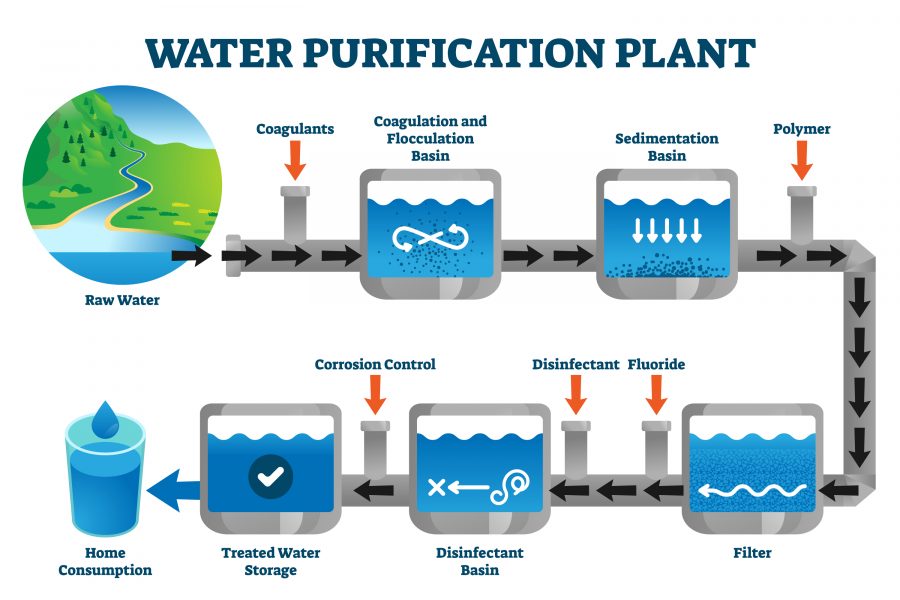 What Is Purified Water? | The Chemistry Blog
When it really shines
Picture this: you’re making ice cubes for a summer party. Tap water cubes often turn cloudy and smell like your refrigerator’s forgotten leftovers. Purified water ice cubes are crystal clear, tasteless, and they chill your lemonade without altering the flavor. Your guests will wonder why your drinks taste so “fresh.” You can wink and say it’s your secret ingredient.
Or think about washing your face. Tap water can leave a residue that mixes with your soap, creating a film that dries out your skin. Purified water rinses cleanly off, leaving your face feeling squeaky in a good way. It’s the reason some people swear by using it in their humidifiers and steamers too—no white dust settling on your furniture.
At the end of the day, purified water isn’t about being fancy. It’s about peace of mind. It’s knowing that when you take a sip, you’re drinking the cleanest, simplest version of something that’s essential for life. It’s like giving your body a hug from the inside. And really, who doesn’t need more of those?
So go ahead, fill up that glass. Taste the clear, neutral nothingness. It might be the most refreshing thing you do all day. Cheers to simple, pure, good stuff.
