How To Test Drinking Water

So picture this: I’m at a friend’s cabin, feeling all rustic and wise, and I grab a glass of water from the tap. It looks clear as crystal, so I take a big, confident gulp. Tw...
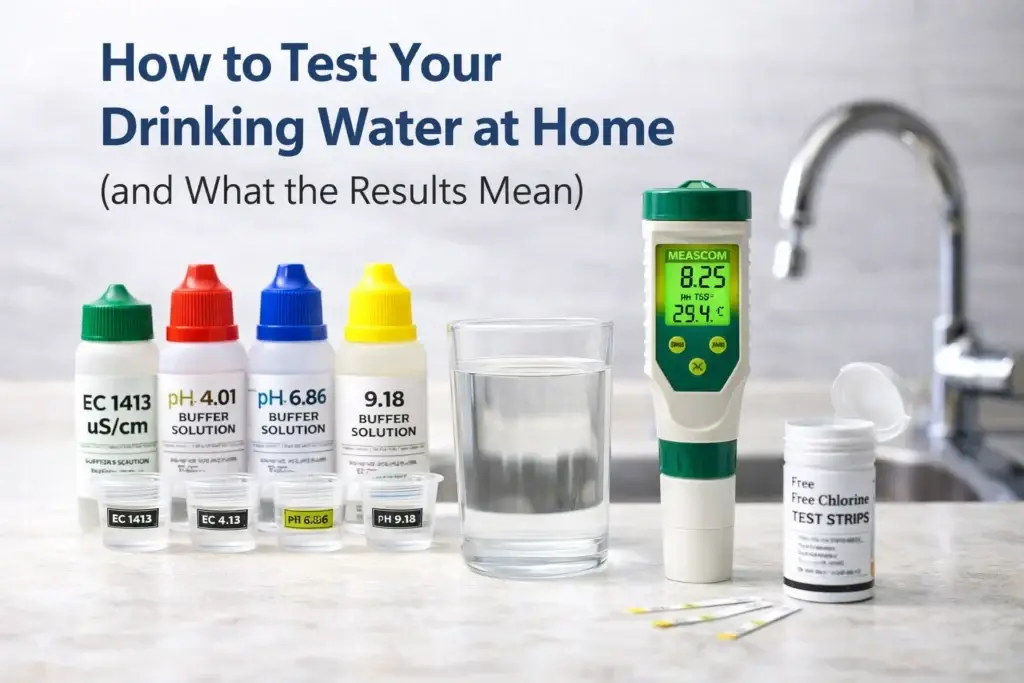
So picture this: I’m at a friend’s cabin, feeling all rustic and wise, and I grab a glass of water from the tap. It looks clear as crystal, so I take a big, confident gulp. Two seconds later, I’m making a face like I just bit into a lemon wrapped in a gym sock. That, my friend, is when I realized that looks are deceiving when it comes to water quality.
And honestly, I bet you’ve had a similar moment—maybe your water smells like a swimming pool, or it leaves weird white crust on your kettle. The good news? You don’t need a lab coat to figure out what’s going on. Testing your drinking water is actually pretty straightforward, and a little bit fun if you’re in the right mood. Let’s walk through it together, no science degree required.
Start with your senses (seriously, just use your nose and eyes)
Before you buy a single test kit, let your senses do the heavy lifting. Pour a glass of tap water and hold it up to the light. Does it look cloudy or have tiny floating specks? Give it a sniff—if it smells like bleach, rotten eggs, or dirt, that tells you a lot already.
Must Read
I know it sounds obvious, but most people skip this step. Your nose is basically a free chemical detector. If your water smells like a fish tank, you might have organic matter breaking down in the pipes. That’s your cue to move to the next level of testing.
The cheap and cheerful home test strips
Okay, now we’re getting technical, but in a low-stakes way. You can grab a pack of drinking water test strips at any hardware store or online for like ten bucks. They look like pregnancy tests, which always makes me giggle. You dip one in a glass of water, wait a few seconds, and compare the color changes to a chart on the bottle.
These strips check for pH, hardness, chlorine, nitrates, and sometimes lead. It’s not super precise, but it’s perfect for a quick “should I be worried?” check. Pro tip: test cold water from the tap, not water that’s been sitting in a bottle all day. You want the real deal, not stale leftovers.
When to call in the big guns: lab testing
If your test strips show something funky, or if you live in an older house with lead pipes, it’s time to level up. Order a lab-certified water test kit. They mail you a sterile bottle, you fill it up, and send it back. It costs more (around $30 to $150), but the results are ridiculously detailed.
 Water Testing Diagram Water Testing 101
I sent one off once, and the report told me exactly how much arsenic, bacteria, and uranium was in my water—yes, uranium, which is terrifying and oddly fascinating at the same time. If you have a private well, do this yearly. Seriously, don’t skip it. Well water has no municipal safety net, so it’s all on you.
Don’t forget the “hard water” drama
Ever notice white scale on your faucets or that your soap refuses to lather? That’s hard water, and it’s not dangerous, but it can wreck your pipes and dry out your skin. A simple hardness test strip will tell you the level in grains per gallon. If it’s above 7 grains, you might want a water softener.
Fun fact: hard water actually tastes minerally, which some people love. I personally think it tastes like licking a chalkboard, but to each their own. The point is, now you know exactly what you’re dealing with.
Testing for bacteria: the gross but necessary part
This one is for the brave. Bacterial contamination (like E. coli) won’t show up on your regular test strips. You need a special coliform bacteria test. It usually comes with a little vial of liquid that changes color if bacteria are partying in your water. Yes, it’s gross, but it’s also a total lifesaver.
If you ever get a result that looks like neon green slime, stop drinking the water immediately. Boil it or switch to bottled until you can shock your well or flush your pipes. That’s not being paranoid—that’s being a responsible water drinker.
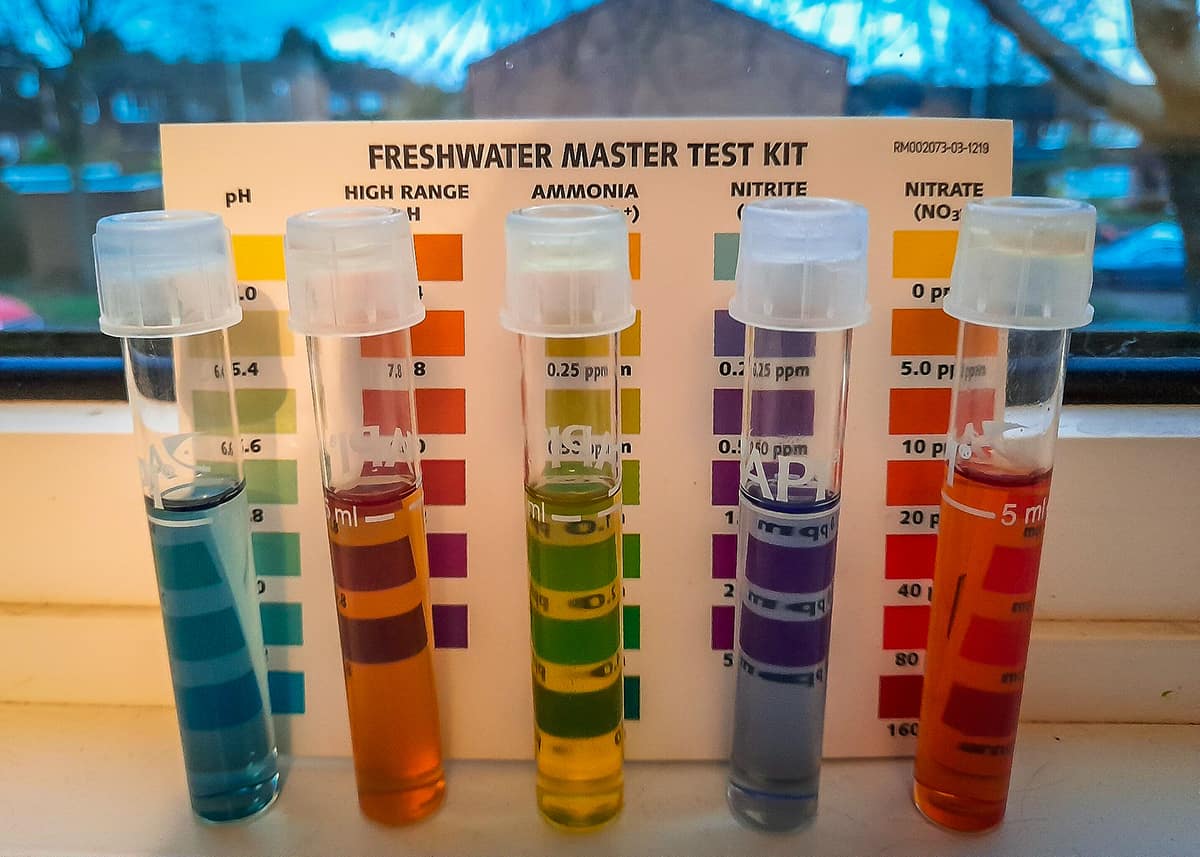 Water Quality Testing Ireland – Water Testing – GCDJ
What about those fancy digital meters?
You’ve probably seen ads for TDS meters (Total Dissolved Solids) that look like a thermometer from the future. They measure how many minerals and salts are floating in your water. Honestly, they’re fun to play with. Dip it in tap water, then in bottled water, and watch the numbers jump.
But here’s the irony: a high TDS reading doesn’t mean your water is bad. It could just mean you have healthy minerals like calcium and magnesium. So take those numbers with a grain of salt—pun absolutely intended. Use them as a clue, not a final verdict.
A quick reality check: test at different times
Here’s a trick nobody tells you: water quality changes throughout the day. Morning water that’s been sitting in pipes all night often has more sediment and lead. Let the tap run for 30 seconds before you test unless you want to drink the leftovers from midnight plumbing adventures.
I always test first thing in the morning and again after the water has run for a minute. The difference can be shocking. It’s like waking up with bed head versus your post-shower glow—same face, very different vibe.
At the end of the day, testing your water isn’t about turning into a paranoid scientist. It’s about peace of mind. You take a sip, and instead of wondering if there’s something lurking in that crystal glass, you know exactly what’s in it. And honestly? That feels like a superpower. So grab a test strip, trust your nose, and give your tap the attention it deserves. Your future self—and your taste buds—will thank you.
