How To Check Water Quality

Let's be real. Water is basically magic. It keeps us alive, makes coffee happen, and lets us pretend we're dolphins in the bathtub. But is it actually safe to drink? You don'...
Let's be real. Water is basically magic. It keeps us alive, makes coffee happen, and lets us pretend we're dolphins in the bathtub. But is it actually safe to drink?
You don't need a lab coat or a chemistry degree. You just need a little curiosity and a few household items. We’re about to play detective with your tap.
Step One: The Sniff Test (Your Nose Knows)
Pour a glass of cold water. Stick your nose right in there. Breathe deeply.
Must Read
If it smells like a swimming pool, you’ve got chlorine—which isn’t a crime, but it’s a clue. If it smells like rotten eggs, you’ve got sulfur. That’s funky, but more common than you think.
Fun fact: Your nose can detect one part per trillion of some stinky compounds. That’s like finding one slice of moldy bread in a pile of a trillion sandwiches. Your nose is a superpower.
Step Two: The Eye Test (See the Weird Stuff)
Hold that glass up to the light. Is it crystal clear like a unicorn’s tear? Or does it look like weak tea?
Cloudy water means turbidity—tiny floating particles. Brown or yellow water is often rust from old pipes. If it’s blue or green, you might have copper pipes reacting with the water.
Here’s a weird one: if you see tiny white flecks floating around, that’s usually calcium or magnesium. It’s basically hard water. It won’t hurt you, but it will wreck your coffee maker.
Step Three: The Taste Test (Proceed with Caution)
Take a tiny sip. Swish it around. Do not gulp yet.
Metallic taste? That’s iron or copper. Salty taste? Could be chlorides or too much sodium. A weird bitter taste might be industrial runoff—yikes.
 Keep Your Pond Fish Thriving: Essential Health Management Strategies
Pro tip: taste your water cold. Warm water hides flavors. Cold water is honest. Your tongue is a truth-teller.
Step Four: The Science Fair Experiment (DIY Detective)
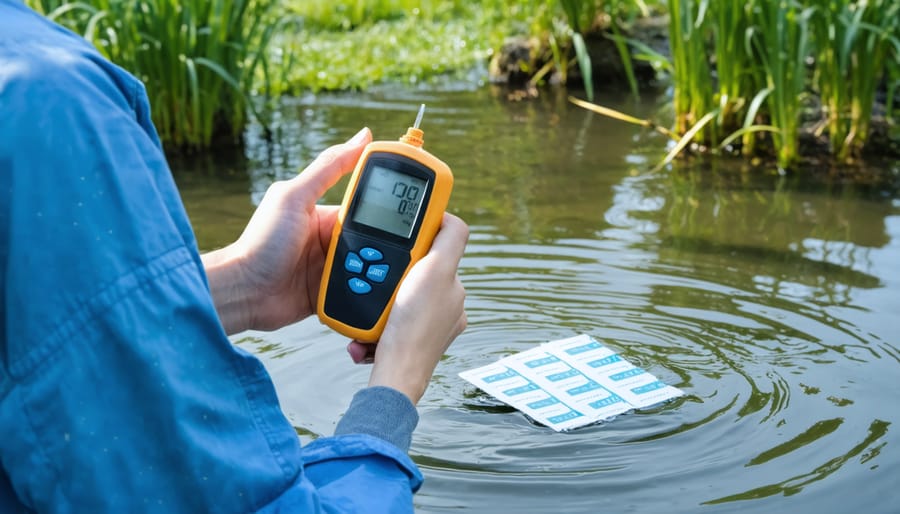
You can buy a TDS meter for like ten bucks. TDS stands for Total Dissolved Solids. Stick it in the water. It gives you a number.
A number under 50 means you’re drinking rain in a bottle. Under 300 is fine. Over 600? You’re drinking mineral soup. Not recommended.
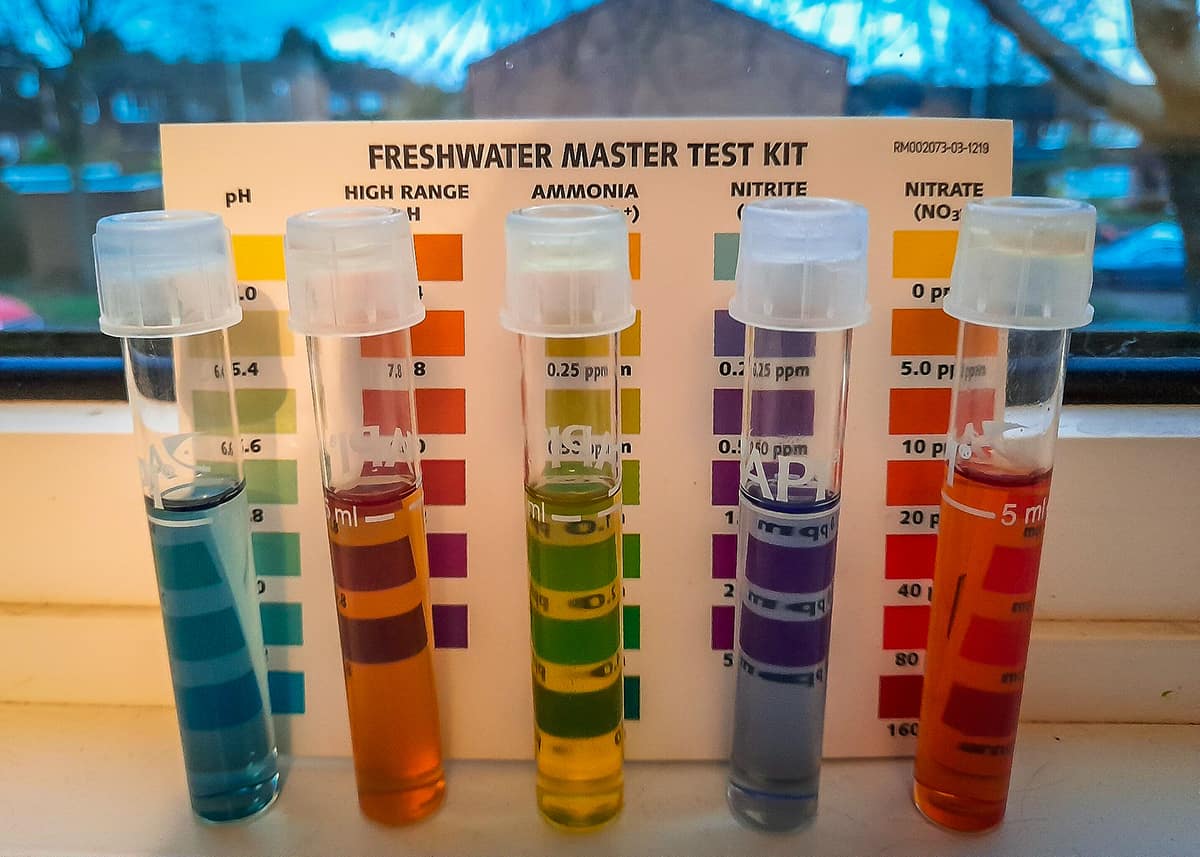
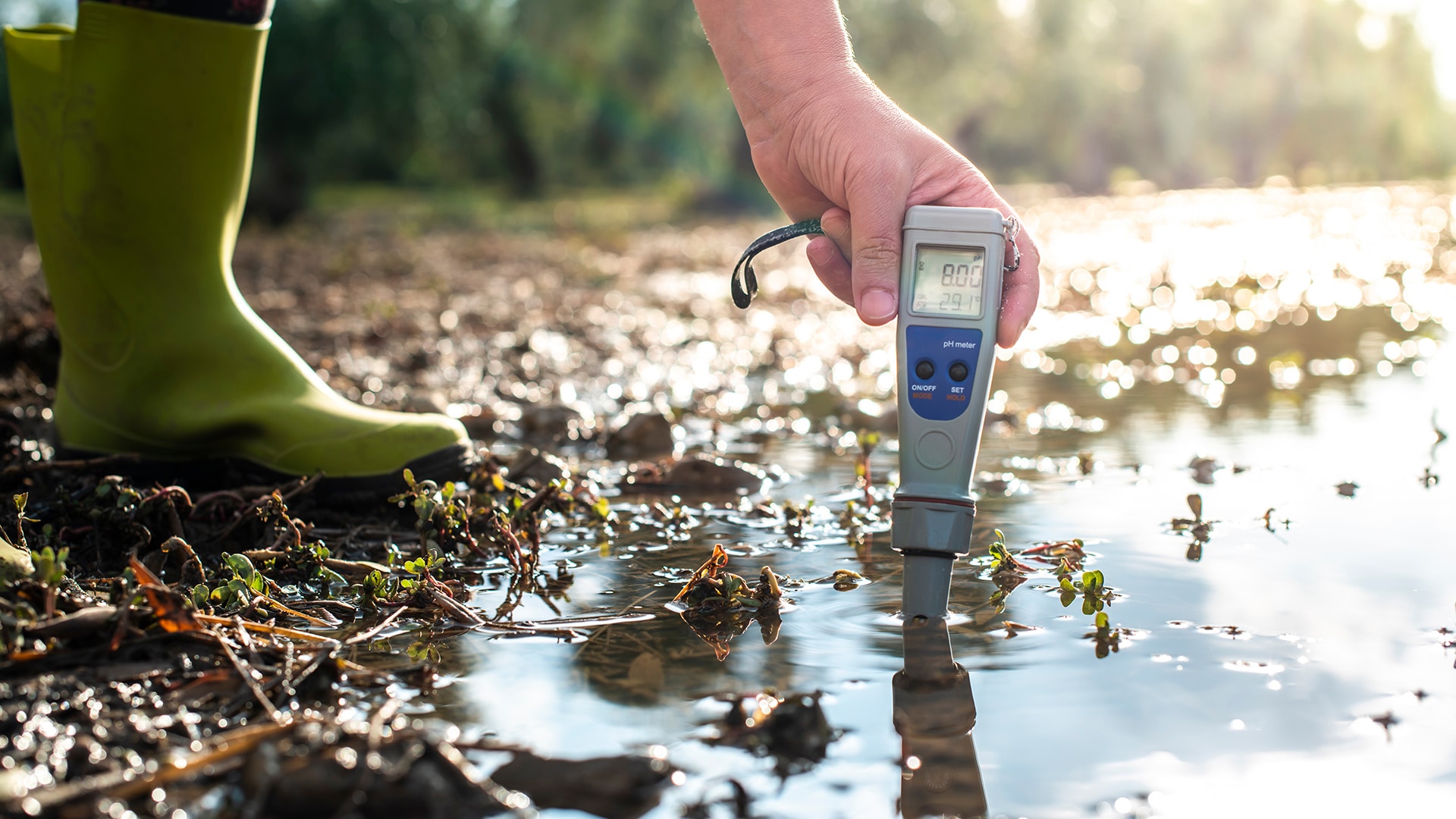
Want to get fancy? Use a pH strip. Dip it in. Compare the color to the chart. Perfect water pH is between 6.5 and 8.5. Below 6.5 is acidic—like lemonade. Above 8.5 is alkaline—like baking soda. Your stomach hates both extremes.
Step Five: The Disgusting Discovery (Sediment Check)
Fill a clear jar with water. Let it sit for 24 hours. Don’t touch it. Don’t even look at it suspiciously.
In the morning, check the bottom. See any grit? That’s sand, rust flakes, or pipe crud. See a slime layer? That’s bacteria growing. Time to call a plumber and scream into a pillow.
This test is a reality check. If your water leaves a ring in the toilet, it’ll leave a ring in your stomach. Gross but true.
Why This is Actually Fun to Talk About
Water is the silent boss of your life. It makes your skin glow, your plants thrive, and your morning coffee not taste like regret. Checking it is like reading the mood of your house.
 What Are the Main Water Quality Indicators and Parameters?
Plus, you get to use words like turbidity and sulfur at dinner parties. People will think you’re a wizard. Or a weirdo. Both are cool.
Here’s a quirky fact: Ancient Romans tested water quality by throwing a coin into a spring. If the coin turned green, the water was acidic and dangerous. That’s why we throw coins into fountains—it was a safety check. History is wild.
When to Stop Being Casual and Get Serious
If your water tastes like chemicals or smells like gasoline, stop drinking it. Immediately. That’s not fun—that’s a health hazard.
If you have well water, test it for bacteria every spring. Rain washes all sorts of crud into your groundwater. Your well isn’t a magic filter—it’s a hole in the ground.
If you see green stains in your sink, that’s copper corrosion from acidic water. That can mess with your liver if you drink it for years. Don’t risk it.
The Final Sip
You don’t need a lab to be a water wizard. Use your nose. Use your eyes. Use a ten-dollar gadget from the internet.
Good water is clear, tasteless, and odorless. It’s boring—and that’s perfect. Boring water is safe water.
So go ahead. Test your tap. Your body will thank you. And you’ll have a killer party trick involving a jar and a 24-hour wait. Cheers to curiosity.
