How To Treat Pfas In Water

So, you’ve heard about PFAS, the “forever chemicals.” They’re like that houseguest who shows up for a weekend and stays for a decade, except they’re in your drinking water, hi...
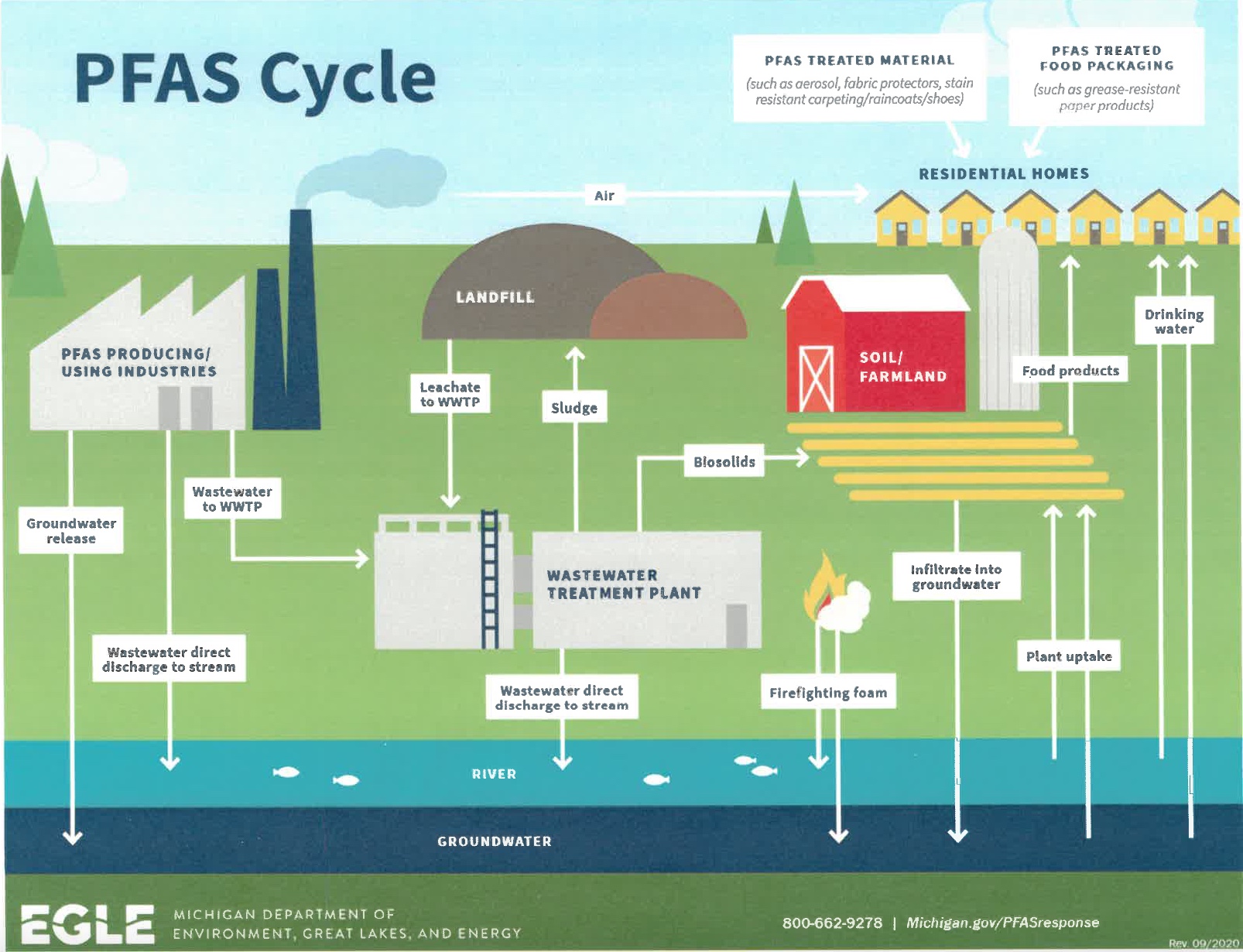
So, you’ve heard about PFAS, the “forever chemicals.” They’re like that houseguest who shows up for a weekend and stays for a decade, except they’re in your drinking water, hiding in nonstick pans, and even in your raincoat. Congratulations—you’re now the proud owner of a chemical cocktail that has a half-life longer than your great-aunt Gertrude’s grudge.
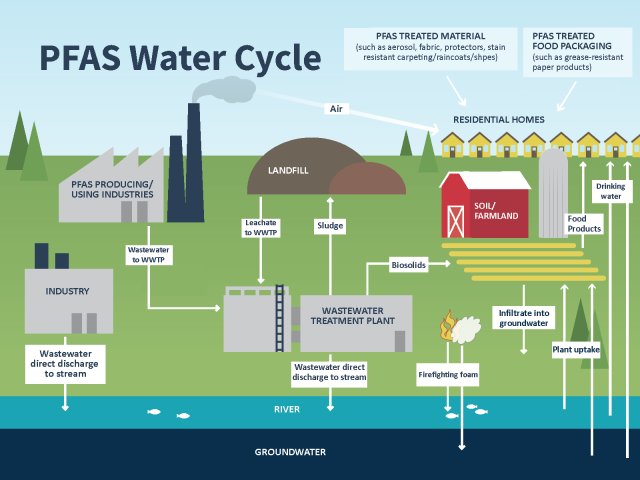
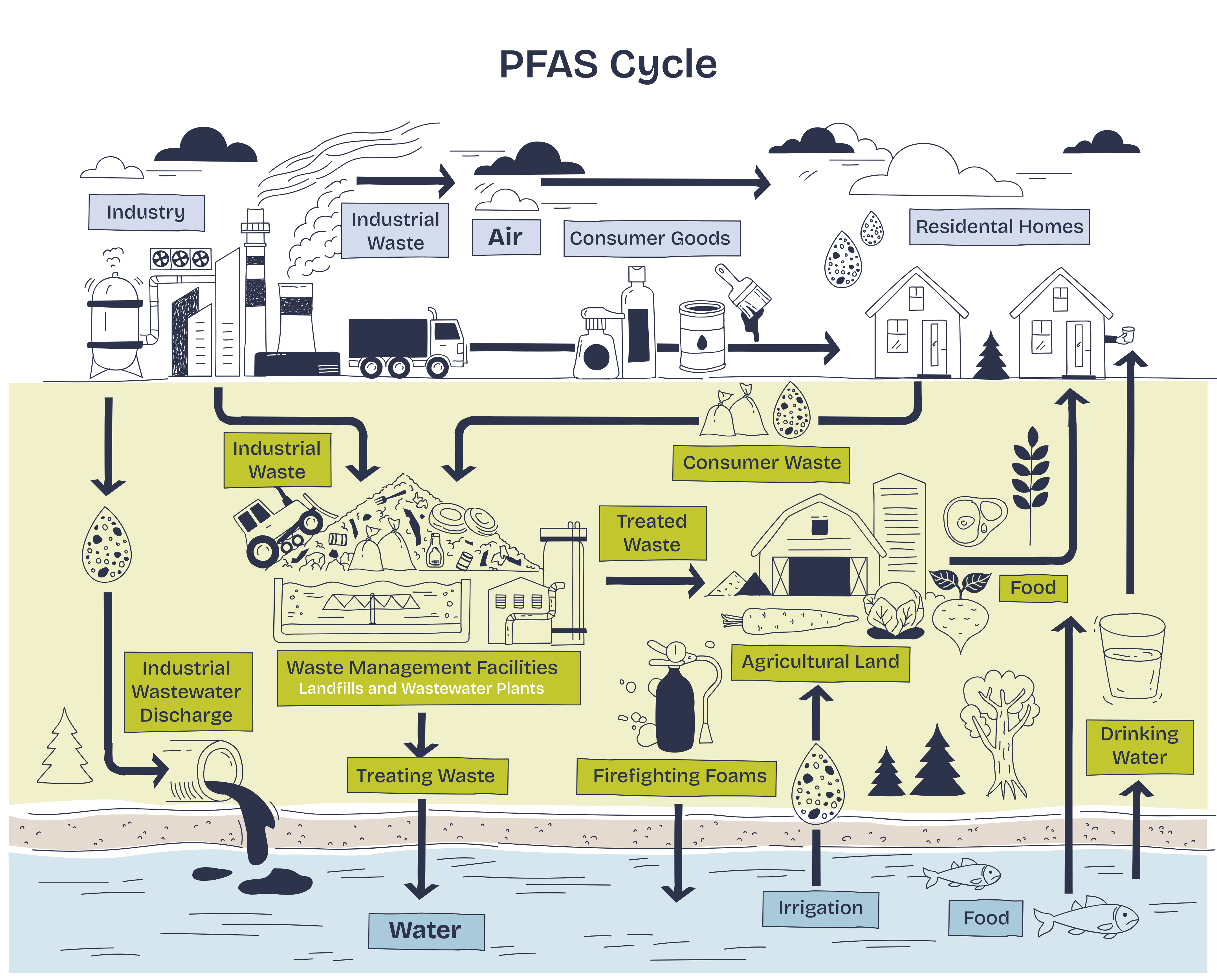
Let’s be clear: PFAS (per- and polyfluoroalkyl substances) are everywhere. They’re in the soil, the rain, and your blood—yes, your blood contains tiny traces of Teflon. It’s not as cool as having superhero powers, but it does make you a walking science experiment.
Treating PFAS in water isn’t a DIY Pinterest project. You can’t just boil it, strain it through a sock, or chant at it. But don’t panic—science has your back. Here’s how to turn your tap water from a chemical soup into something your kidneys will actually thank you for.
Must Read
Method 1: Grand Theft Water Filter
The cheapest fix? Activated carbon filters. They look like Brita pitchers, but they’re the sassy bouncers of the water world—they grab PFAS molecules and toss them out before they sneak past. But here’s the catch: you need granular activated carbon, not just any old charcoal brick.
Your standard fridge filter is like bringing a water pistol to a dragon fight. Look for filters certified by NSF/ANSI Standard 53 for PFAS removal. If the box doesn’t brag about it, assume it’s just fancy tap water in a plastic jug.
Method 2: Reverse Osmosis—The Nuclear Option
If carbon filters are the bouncers, reverse osmosis (RO) is the SWAT team. It shoves water through a membrane so fine that even PFAS molecules get their nonstick feelings hurt. RO systems can remove 90-99% of PFAS, which is basically a miracle for your kitchen sink.
The downside? It’s pricey (think $200–$600 for a decent under-sink unit), and it wastes a lot of water—like a thirsty toddler with a garden hose. But hey, you’re not drinking the waste water, so your municipal treatment plant can handle the drama.
Method 3: Ion Exchange—The Chemist’s Secret Handshake
This is where it gets nerdy. Ion exchange uses resin beads that act like magnets for PFAS ions. They literally swap the bad molecules for harmless ones, like a chemical prisoner exchange. It’s super effective, but you need to replace the resin regularly—because even magnets get tired of holding onto forever chemicals.
 3M Cordova | US EPA
Pro tip: Don’t try to build your own ion exchange rig in the garage. That’s how you end up on an EPA watchlist with a YouTube tutorial titled “Water Treatment Gone Wrong.” Leave it to the professionals.
The Dirty Secret: Your City Might Be Doing This for You
Here’s a surprise: many municipal water plants are already investing in PFAS treatment, thanks to new EPA regulations. But not all towns have the budget (or the will). If you live in a place where the water report reads like a chemistry final, you might need to take matters into your own hands.
Check your local water authority’s annual report—it’s like reading a horror novel, but with numbers. If PFAS levels are above 4 parts per trillion (that’s four grains of salt in an Olympic swimming pool), consider filtering.
The Myth-Busting Section
Does boiling water help? Nope. Think of boiling as a sauna for your water—it makes steam, but the PFAS just laugh and stay right where they are. Freezing? Also useless. You’re just making chemical popsicles.
What about bottled water? Don’t be fooled by fancy labels. Studies have found PFAS in some bottled brands, and the plastic bottles are a separate environmental nightmare. Bottled water is like a rebound relationship—it feels good at first, but you’ll regret it later.
 石墨烯膜创新技术旨在去除水中的全氟辛烷磺酸 | 石墨烯网
The One Thing You Can Do Right Now
Buy a test kit for your tap water. They cost about $30 and send a sample to a lab. If the results come back with PFAS levels that look like a phone number, you’ll know it’s time to invest in real treatment. Ignorance isn’t bliss—it’s just ignorance with a side of chemical exposure.
And while you’re at it, stop using nonstick pans for your scrambled eggs. Swap them for cast iron or stainless steel. Your eggs will stick a little, but your body won’t.
The Big Picture (And a Joke)
PFAS are a massive, global problem—like glitter, but invisible and toxic. We can’t fix the entire planet from our kitchen counters, but we can clean our own water. It’s like wearing a seatbelt in a car that’s on fire: not a perfect solution, but better than nothing.
Remember: activated carbon is for the budget-conscious, reverse osmosis is for the committed, and ion exchange is for the lab coat crowd. Pick your fighter, test your water, and drink up—without worrying that your glass is 300 years out of warranty. Cheers!
P.S. If you see a PFAS molecule trying to break into your glass, just tell it you’ve upgraded your water security. It’ll get the hint and go haunt someone else’s plumbing.
