How To Test Water For Iron

Ever taken a sip of water and felt like you were licking a rusty nail? Or maybe your pristine white sink has started sporting a faint orange mustache you didn't ask for. That,...
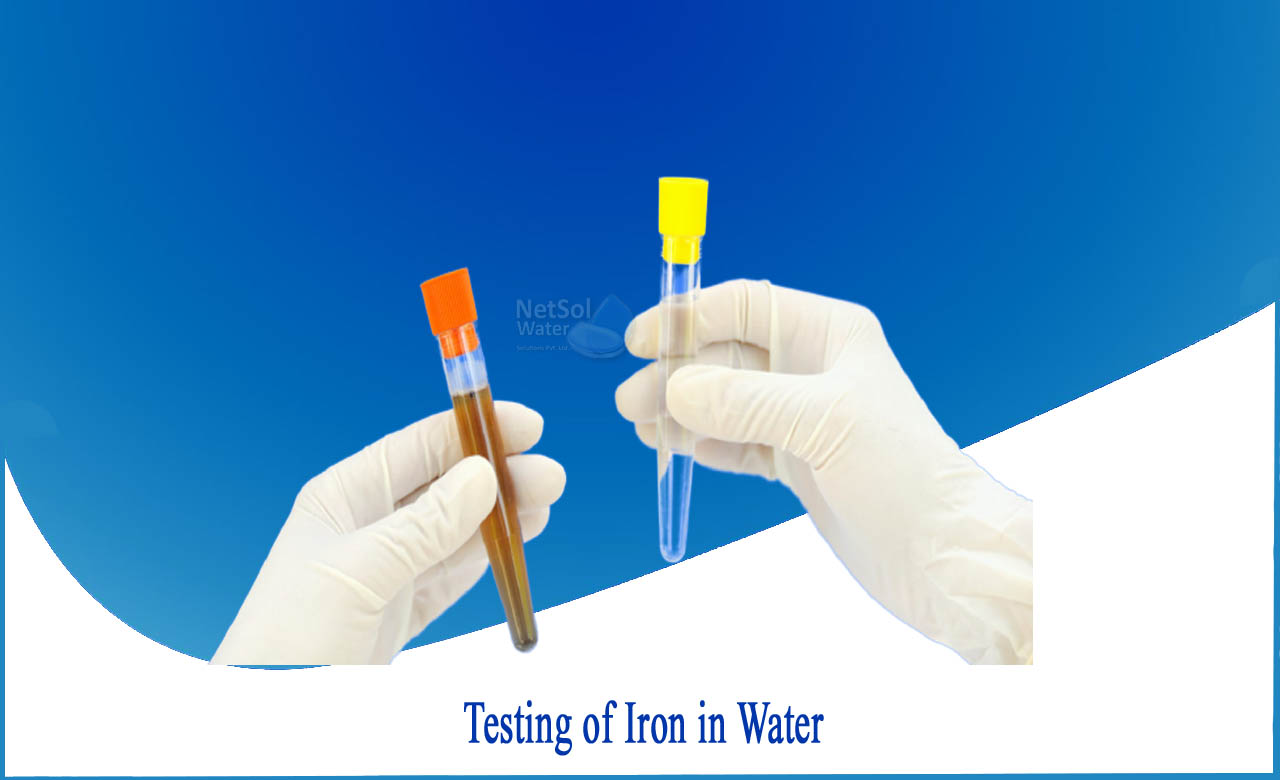
Ever taken a sip of water and felt like you were licking a rusty nail? Or maybe your pristine white sink has started sporting a faint orange mustache you didn't ask for. That, my friend, is likely iron—nature’s way of reminding you that even H20 has a metallic side.
It’s actually kind of cool. Iron in water isn't a health crisis (your body needs it!), but it’s a vibe killer for taste, laundry, and plumbing. Think of it as the uninvited guest that stains your bathtub and turns your morning brew into a murky mystery.
So, how do you figure out if your water is playing iron host? Simple. You don’t need a chemistry degree—just a bit of curiosity and a few tricks from your kitchen cabinet. Let’s dive into the weird, wonderful world of water testing.
Must Read
The Visual Hangout: Just Look At It
First up: the lazy test. Pour a glass of cold tap water and hold it up to the light. Does it look clear? Now let it sit on the counter for an hour. If a reddish-brown dust settles at the bottom, you’re dealing with ferric iron—the oxidized, rusty kind that’s already throwing a party.
But here’s the twist: sometimes iron is invisible. It hides as ferrous iron, which is completely clear when poured. Like a ninja, it only reveals itself after it hits oxygen or gets heated. That’s why your toilet bowl might suddenly blush orange—the iron oxidizes with air.
If your water looks like weak iced tea straight from the tap, you might have tannins (organic plant matter) mixed with iron. That’s a whole different color palette—think swamp chic, not rusty chic.
The Smell & Taste Check: Your Nose Knows
Go ahead, give it a sniff. Iron often smells like metallic pennies or blood—kinda like when you bite your lip and taste that coppery tang. Does your water taste “earthy” or “mineral-heavy”? That’s iron waving hello on your tongue.
But be careful: a strong sulfur smell (rotten eggs) usually means bacteria or hydrogen sulfide, not iron. Don’t confuse the two—rusty water smells like a hardware store, not a swamp. If it smells like a bad egg, skip the iron test and call a pro.
 How to test for Iron in water - YouTube
The DIY Chemistry Set: A Bowl, Bleach, and Patience
Okay, let’s get a little nerdy. Grab a clear glass bowl and fill it with tap water. Add one teaspoon of plain liquid bleach (no fancy scents, just chlorine). Swirl it around. Wait 15 minutes.
If the water turns cloudy or develops a rusty sediment, you’ve got iron. The bleach reacts by oxidizing the iron, making it visible. It’s like giving the iron a tiny lightning bolt to show its true colors. Fun, right?
This test isn’t super precise—it doesn’t tell you how much iron is there. But it’s a fantastic, zero-cost way to say, “Yep, you’re here, iron buddy.” Think of it as an at-home rock concert for metal particles.
Paper Strips: The Smartphone of Water Tests
For a more scientific approach, buy a water test kit with iron-specific strips. These cheap little guys (about $10-$15) are the MVP of casual testing. Dip a strip in your water, wait a minute, and compare the color to a chart. It’ll tell you if you’re in the “safe” range (under 0.3 mg/L) or the “yep, that’s a thing” zone (over 3.0 mg/L).
One dip gives you instant clarity—no chemistry jargon, no lab coat. It’s like a pregnancy test for your plumbing. Results are in parts per million (ppm), which sounds fancy but just means “how much iron per bucket.”
 How-to analyze iron in a drinking water sample - YouTube
Pro tip: test both cold and hot water. Hot water dissolves more iron, so your shower might be hiding a metal secret your cold tap doesn’t. Also, test in the morning after the water’s sat in pipes overnight—that’s when iron likes to settle and show off.
The Lab Drop (For the Curious Overachiever)
If you really want to geek out, send a sample to a state-certified lab. They’ll test for iron plus pH, hardness, manganese, and bacteria. It costs about $30–$50, and you get a detailed report that reads like a report card for your water. Is it overkill? Maybe. But it’s also oddly satisfying.
Why go that far? Because iron levels above 3 ppm can turn your clothes orange, clog pipes with slime called “iron bacteria,” and make your water taste like a melted engine. Knowing the exact number tells you if you need a simple filter or a whole-home system.
So, Why Bother Testing?
Because water is alive—it carries the story of the earth it travels through. Iron is just one chapter, and it’s a cool one. Testing it turns you into a mini detective, reading the clues left by rocks and soil. Plus, you’ll finally know why your white shirts look tie-dyed after a wash.
And hey, if you find iron? No biggie. You can fix it with something as simple as a Brita pitcher (for low levels) or a special iron filter (for the heavy stuff). Knowledge is power, and power makes your morning coffee taste like coffee again.
So grab a glass, a strip, or a drop of bleach. Curious minds always test the water—because you deserve to drink it without wondering if you’re licking a wrench.
