Water Meter Reading How To

Let’s be honest: staring at a water meter feels about as thrilling as watching paint dry. But here’s the secret—it’s one of the few moments in your week where you can actually...

Let’s be honest: staring at a water meter feels about as thrilling as watching paint dry. But here’s the secret—it’s one of the few moments in your week where you can actually feel in control of your own little kingdom. And with a few simple tricks, you can turn this chore into a tiny, satisfying ritual.
Why Bother? The Unexpected Joy of Meter Reading
Your water meter is a silent storyteller. It reveals whether that mysterious dripping faucet is draining your wallet or if your teenager’s twenty-minute showers are a real problem. Knowledge is power, and in this case, it’s also money—catching a leak early can save you hundreds of dollars.
Plus, there’s a weirdly modern thrill in discovering you’ve outsmarted the system. Like solving a low-stakes puzzle before breakfast, it’s a small win that sets a productive tone for the day.
Must Read
Finding Your Meter: A Treasure Hunt in Your Own Home
First, locate the beast. It’s usually in a basement, crawlspace, or a buried box near the street—think of it as your home’s secret diary. Look for a round or rectangular lid marked “water” or with a local utility logo.
Pro tip: Use a screwdriver or key to gently pop the lid open. If it’s stuck, a little WD-40 works wonders—just don’t force it, or you’ll be calling a plumber before you’ve even started.
The Two Faces of Meters: Analog vs. Digital
If your meter has a row of numbers like an old car odometer, congratulations—you’ve got an analog model. Read it from left to right, ignoring the red or black spinning dials (those measure tiny flows). The numbers are your cumulative usage in gallons or cubic feet.
Digital meters are even easier. Just press the “Read” button if there is one, and wait for the numbers to appear. Some even show flow rate in real time—a fun party trick for the water-obsessed.
The Art of the Reading: Step-by-Step, No Sweat
Write down the first four to five black numbers. That’s your main reading. The red numbers or spinning dials are for leak detection—they spin if water is moving through the meter even when no taps are on.
To check for a sneaky leak: turn off all water inside and outside your house, then watch the red dial for 10-15 minutes. If it moves, you’ve got a problem. Fun fact: a single dripping tap can waste 3,000 gallons a year—enough to fill a small swimming pool.
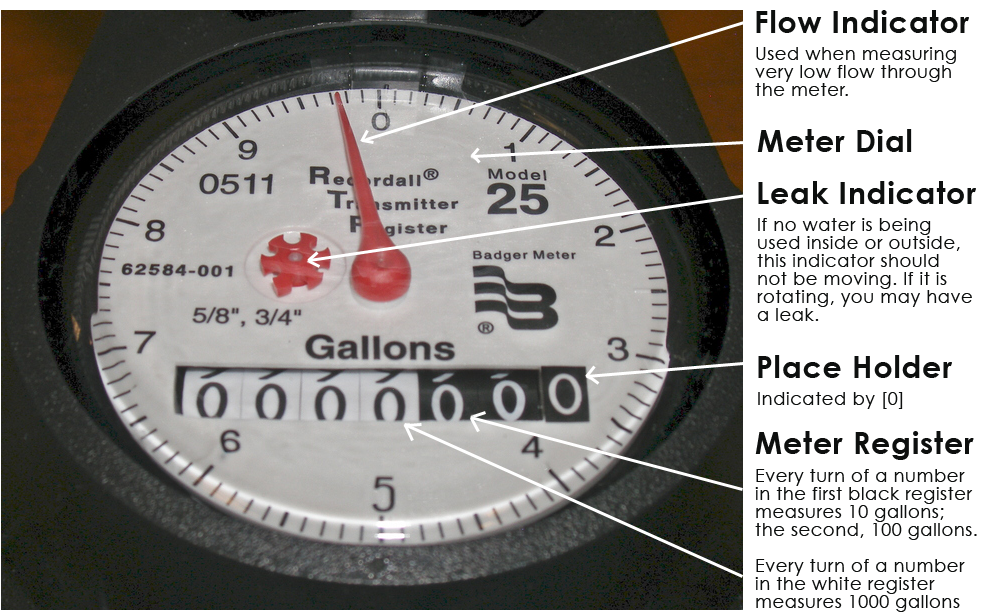 How to Read Your Water Meter - Syringa Water District
When to Read: Calendar Hacks and Habit Stacking
Most utilities recommend reading once a month, ideally on the same day. Pair it with another habit—like paying bills or changing the air filter—so you never forget. Sundays at 10 a.m. work well for many, a quiet moment before the week begins.
Or make it a five-minute game: set a timer and see how fast you can read, write down the number, and snap a photo for your records. (Yes, photos are a genius backup—no more scribbled notes lost in the laundry.)
Apps, Spreadsheets, and Analog Charm
Modern life loves an app. Try WaterTracker or LeakAlert to log your readings and spot trends. They’ll send you alerts if usage spikes—like a digital guardian angel for your pipes.
If you’re old-school (and we love that), a simple notebook and a pen work beautifully. There’s something meditative about writing down the numbers by hand, connecting you to the rhythm of your home.
Troubleshooting: When the Meter Throws a Tantrum
If the numbers look wrong—like a sudden jump you can’t explain—start with the obvious: check all toilets and faucets for silent leaks. A running toilet can waste 200 gallons a day, and you’d never hear it.
Still stumped? Call your utility company. They’ve seen it all and can often remotely check your meter for errors. Don’t be embarrassed—you’re helping them help you save water, a resource we all share.
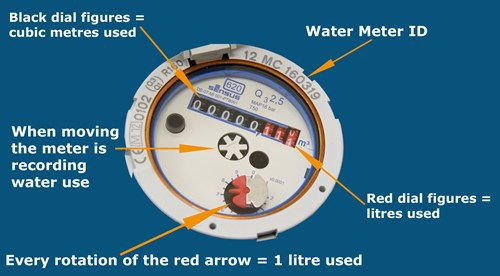 Reading your meter - Kāpiti Coast District Council
A Cultural Nod: The Zen of Meter Reading
In Japan, the concept of “ma” (pause) celebrates the space between actions. Meter reading is a perfect ma—a quiet, intentional check-in with your home’s health. Think of it as a mini-meditation, not a chore.
And if you’re a fan of Marie Kondo, consider this: each reading tidies up your water usage, sparking joy in your budget. Your meter doesn’t judge; it just reports.
Final Practical Tips: Become a Meter Master
Always read at the same time of day to avoid seasonal confusion—morning readings are best because your household hasn’t started heavy use yet. Use a flashlight if the meter is in a dark spot; a phone flashlight works fine.
If you have a digital meter that requires pressing a button, press firmly but gently. And keep a small notepad with a pen inside the meter box—like a hidden treasure chest for your utility data.
A Short Reflection: The Quiet Wisdom of Water
We live in a world that screams for our attention—notifications, headlines, endless to-do lists. But reading a water meter is a quiet act of awareness. It reminds you that life flows, often unnoticed, through pipes and plans.
So next time you kneel down to read those numbers, take a breath. You’re not just checking a dial. You’re checking in with your home, your habits, and your place in the gentle rhythm of everyday life. And that, dear reader, is worth every second.
