How To Prevent Pipe Freeze

You know that sinking feeling when the temperature drops and you realize your pipes are basically wearing summer clothes in a blizzard? It’s like leaving your favorite water b...

You know that sinking feeling when the temperature drops and you realize your pipes are basically wearing summer clothes in a blizzard? It’s like leaving your favorite water bottle in the car overnight—except the bottle is your home’s plumbing, and the car is your entire house. I’ve been there, standing in a puddle at 3 a.m., muttering words that would make a sailor blush. But fear not, my friend—preventing frozen pipes is easier than you think, and it doesn’t require a degree in thermodynamics.
Embrace the Drip, Drip, Drip
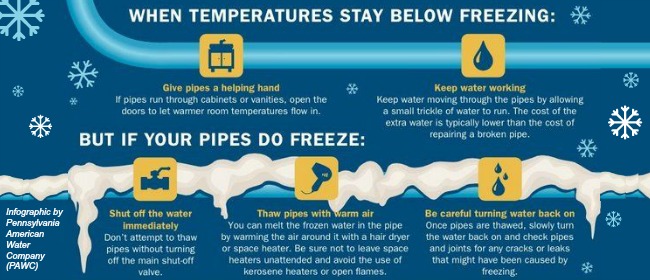
Let’s start with the simplest trick in the book: let your faucets drip. Think of it like giving your pipes a little breathing room during a cold snap. When water moves, even a tiny amount, it’s harder for ice to form and block the whole system.
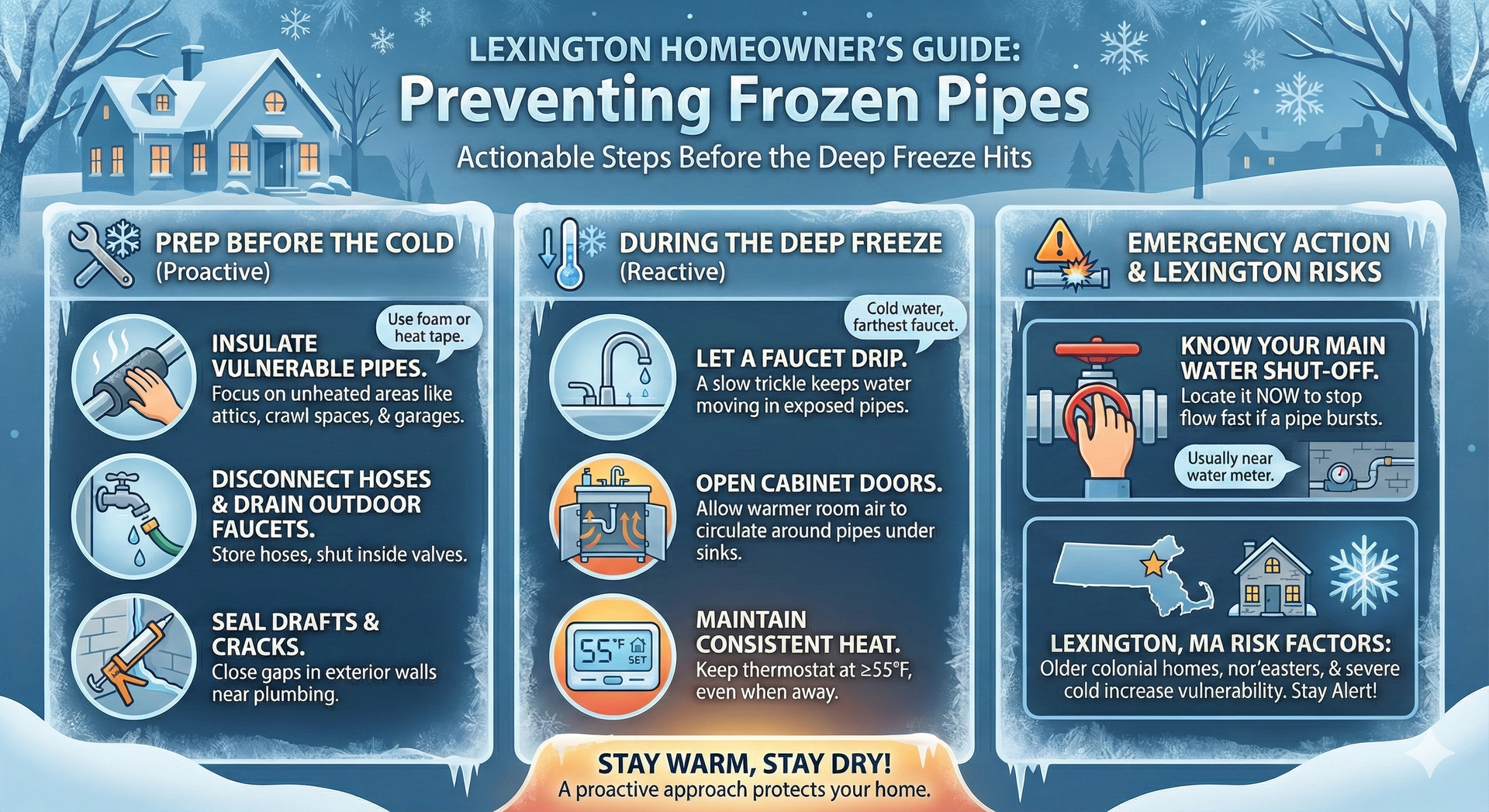
I like to imagine my faucet whispering to the ice, “Not today, frosty.” A slow drip—about one drop per second—is enough to relieve pressure and keep things flowing. Just make sure you do this for both hot and cold water lines, especially on exterior walls.
Must Read
Your water bill might bump up a few cents, but trust me, it’s cheaper than a plumber’s emergency visit. And your sanity? Priceless.
Wrap Those Pipes Like They’re Gifts
If your pipes were people, they’d be the ones shivering in a corner while wearing a thin t-shirt. Time to bundle them up with pipe insulation—it’s like giving your plumbing a cozy winter sweater. You can find foam tubes at any hardware store for less than the cost of a fancy coffee.
I once used an old towel and duct tape in a pinch after a surprise freeze warning. It looked ridiculous—like a mummy wearing rags—but it worked. The key is to focus on pipes in unheated spaces: basements, attics, garages, and under sinks near outside walls.
Don’t forget those sneaky outdoor spigots, either. Disconnect your garden hose and cover the faucet with an insulated cap. Otherwise, you’re basically inviting Jack Frost to a pool party in your living room.
Seal the Cracks and Drafts
Cold air loves to sneak in through tiny gaps like a nosy neighbor who never knocks. Check around your home for drafts near pipes—look for holes where wires, cables, or pipes enter the house. A tube of caulk or a can of spray foam is your best friend here.
 Recent News | Southside Public Water Authority
I once found a draft so strong near my kitchen sink that it felt like a mini fridge was powered on behind the cabinet. I filled the gap with expanding foam, and suddenly my pipes stopped complaining. Think of it as giving your home a warm scarf for its neck.
Even a small crack can let in enough cold air to freeze a pipe on a particularly windy night. And trust me, wind chill matters even indoors if the gap is big enough.
Keep the Heat Flowing (Yes, Even in Empty Rooms)
It’s tempting to close off the guest room or the basement to save on heating bills when you’re not using them. But that’s like locking your pipes in a walk-in freezer and hoping they’ll be fine. Keep interior doors open to let warm air circulate throughout your home.
Set your thermostat to at least 55°F (13°C), even when you’re away on vacation. I learned this the hard way after a weekend trip left me with a burst pipe in the bathroom—and a very cold, very expensive welcome home. Your furnace doesn’t need to be roaring, but it should be whispering warmth to every corner.
If you have a cabinet under a sink on an exterior wall, open the doors slightly to let room heat reach the pipes. Just move any cleaning products out of reach of kids or pets—no one wants a plumbing crisis followed by a poison control call.
 Preventing Frozen Pipes: What Every Lexington Homeowner Should Know
The Anecdote That Reminds Me to Prep
Last winter, I was so confident in my pipe-prevention skills that I forgot to check the outdoor faucet in the backyard. You know, the one I use to wash my muddy boots and water the tomato plants in July. Well, one morning I walked out to find a glacier forming around the spigot, complete with a tiny icicle mustache.
I panicked, grabbed a hairdryer, and spent twenty minutes thawing it while my dog watched with judgment in his eyes. The water eventually flowed, but I learned my lesson: indoor precautions are great, but outdoor pipes are the real drama queens. Now I drain and cover every outdoor faucet before the first frost, and I sleep like a baby.
When All Else Fails, Call a Pro (But Smile While You Wait)
Sometimes, despite your best efforts, Mother Nature decides to throw a tantrum. If a pipe does freeze, never use an open flame to thaw it—that’s how you turn a plumbing problem into a fire drill. Instead, use a hairdryer, heating pad, or space heater (kept safe distance) to gently warm the area.
If you hear banging noises or see water where it shouldn’t be, shut off the main water valve immediately. That valve is your home’s emergency brake—know where it is before you need it. Then call a plumber, pour yourself a hot tea, and laugh about the time you tried to save five bucks on pipe insulation.
You’ll be fine. We all survive these cold-weather mishaps, and they make for great stories. Just remember: a little prevention today means no surprises tomorrow. Now go drip something, wrap something, and seal something—your pipes will thank you with quiet, unfrozen dignity.
