Why Water Ph Is Important

Okay, let me tell you about the day I became a water snob. I was at a friend’s house, and they handed me a glass of tap water that tasted like a swimming pool mixed with a tin...

Okay, let me tell you about the day I became a water snob. I was at a friend’s house, and they handed me a glass of tap water that tasted like a swimming pool mixed with a tin can. I gagged, politely, and asked, “Is your water alive?” They laughed, but I was half-serious. That awful taste? That’s your first clue: pH is messing with your drink.
So, what’s the big deal? pH is just a scale from 0 to 14 that tells you how acidic or basic something is. Pure water sits at a neutral 7, but your tap water can swing from 6.5 to 8.5 depending on where it’s been. And trust me, your body notices the difference.
Your taste buds are drama queens
You know that weird, metallic bite in some bottled waters? That’s acidic water (low pH) leaching minerals from your pipes. It’s basically water with a bad attitude. On the flip side, high pH water (above 8) can taste bitter or slippery, like you’re drinking liquid chalk. Your tongue isn’t lying—it’s screaming about chemistry.
Must Read
But wait, it’s not just about flavor
If your water is too acidic (below 6.5), it can start eating away at your plumbing. Copper pipes get pinhole leaks, lead from old solder can leach into your glass, and suddenly your “refreshing drink” is a metal cocktail. Not cute. Side note: If you have old pipes, please test your water. Your future self will thank you.
Too basic (above 8.5) and you get scale buildup—that white crust on your faucets and coffee maker. It’s not just ugly; it ruins appliances. I’m looking at you, $400 espresso machine that choked on calcium. pH literally costs you money.
Your body’s internal dance
Here’s where it gets personal. Your blood sits at a strict 7.35–7.45 pH—your body will kill you to keep it there. But your stomach? It’s a vat of acid (pH 1.5–3.5) on purpose, to digest food. Drinking water won’t change your blood pH, but it can help or mess with your digestion.
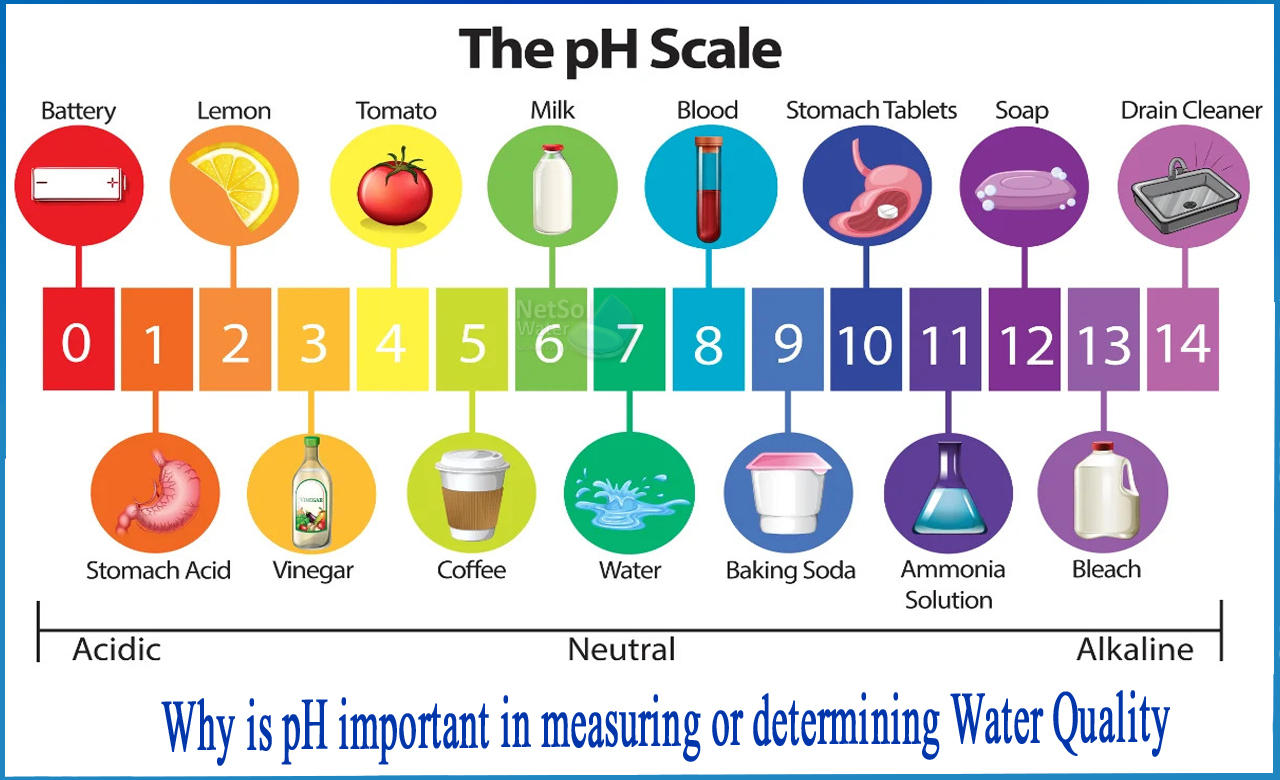 Why is pH important in measuring or determining water quality
Low pH water can aggravate acid reflux—imagine pouring vinegar on a wound, but in your esophagus. Meanwhile, high pH (alkaline) water is marketed as a cure-all. Spoiler: It’s mostly hype. Your stomach just neutralizes it with more acid, so you’re peeing out expensive water. But if you have a sensitive gut, slightly alkaline water (pH 8–9) might soothe things a bit. I’m not a doctor, but a stomach that doesn’t hate you is worth a shot.
The sneaky stuff in your tap
Municipal water is treated to a pH that inhibits corrosion and kills bacteria, typically 7–8.5. But if your local plant is slacking, acidic water can carry heavy metals right to your mug. That’s not a conspiracy—it’s just chemistry being a jerk. Fun fact: The Flint water crisis was partly a pH disaster. Too-low pH leached lead from pipes. pH isn’t boring; it’s life or death.
But hey, don’t panic. A simple pH test strip from a hardware store (<$10) can tell you your home’s status. If it’s below 6.5, get a filter that neutralizes acid. Above 8.5? Consider a water softener. Or just buy a Brita and pretend you’re fancy.
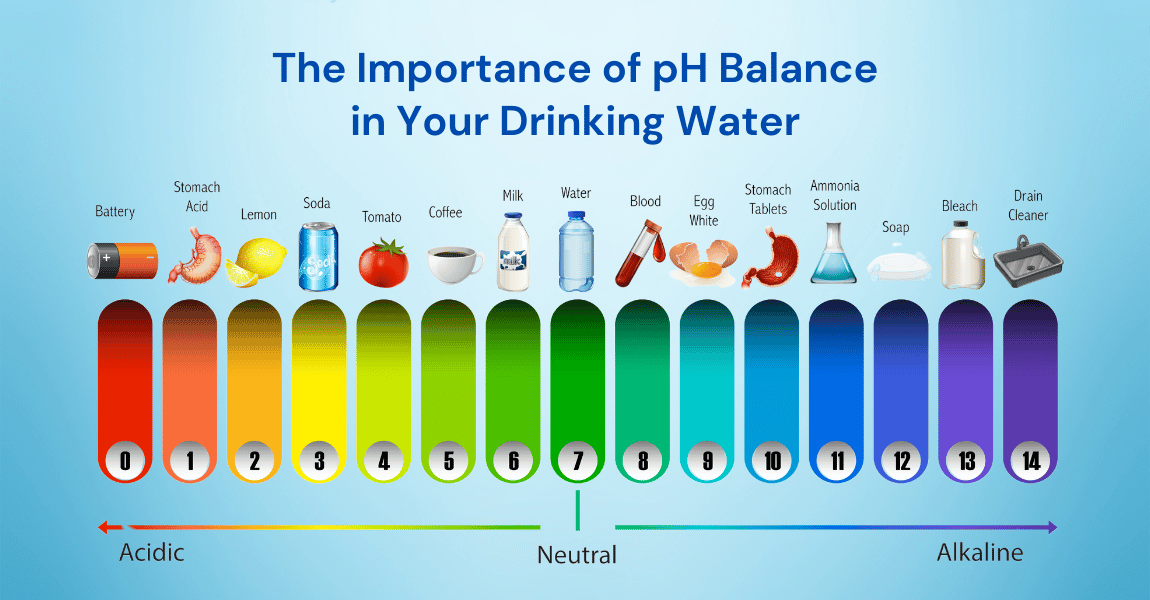 Discover the Importance of pH Balance in Drinking Water for Health
Plants and pets feel it too
Your orchid isn’t being dramatic—it hates acidic tap water. Most houseplants prefer a pH of 6–7, and if you’re watering them with super-alkaline stuff, they’ll turn yellow and die. That’s on you. Fish are even pickier: a pH swing of 0.5 can kill a goldfish. So if your betta is floating upside down, check the water, not your parenting skills.
And puppies? They drink from puddles. But if your dog gets an upset stomach from the bowl, blame the pH. Yes, I’m blaming your water for your pet’s diarrhea. It’s 2023; we know things.
The bottom line: it’s all about balance
You don’t need to become a chemistry nerd. Just know that water with a pH of 6.5–8.5 is generally safe for drinking and appliances. When it falls outside that range, problems pile up faster than laundry. Testing is cheap; ignorance is expensive (literally, with plumbing bills).
So next time you take a sip, think: “Is this water neutral, or is it trying to kill my coffee maker?” Because honestly, a good cup of coffee is harmony—and that starts with balanced water. Now go hydrate, but with intention.
