Why Is My Water So Cloudy

Okay, so you poured yourself a glass of water. Perfect, right? Crystal clear. Refreshing. Then you look closer, and bam. It looks like someone dumped a cloud in your glass. Wh...
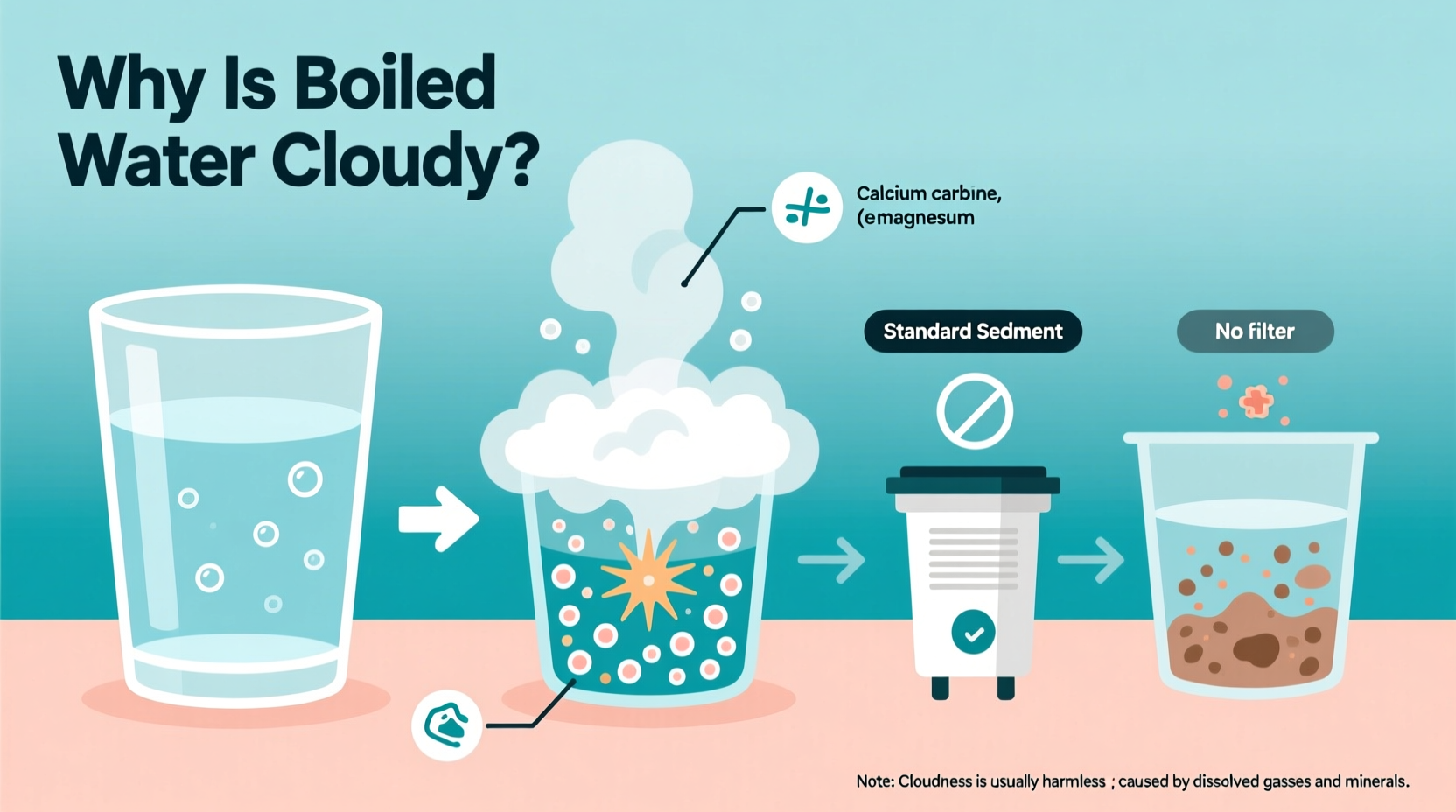
Okay, so you poured yourself a glass of water. Perfect, right? Crystal clear. Refreshing. Then you look closer, and bam. It looks like someone dumped a cloud in your glass. What gives?
First off, take a deep breath. That cloudy water is probably not going to turn you into a superhero or a science experiment gone wrong. Most of the time, it’s just air.
The Grand Air Bubble Conspiracy
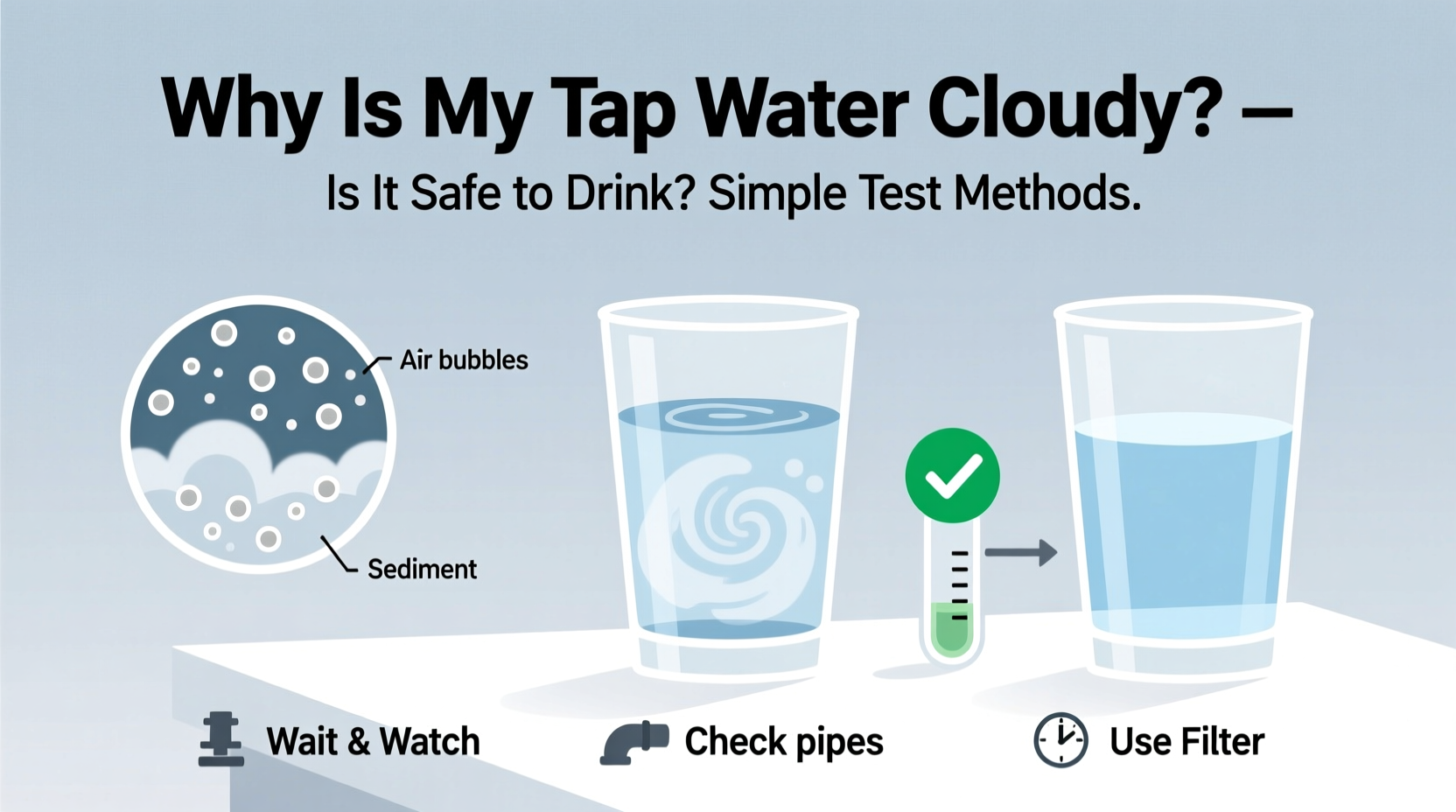
Think of your tap water as a fizzy soda—minus the sugar and the burp. When water is under pressure in the pipes, it traps tiny air bubbles.
Must Read
Those bubbles are super small. They scatter light, making your water look milky or foggy. It’s like a miniature, drinkable cloud.
Here’s the test: fill a clear glass and let it sit for a minute. If the cloudiness clears from the bottom up, it’s just air escaping. You’re golden.
Go ahead, drink it. Your body won’t even know the difference. Unless you swallow too fast—then you might burp. Classy.
When It’s Not Just a Fizz Party
Okay, what if that cloud doesn’t go away after sitting? What if it stays all day, looking like watery milk? That’s a different beast.
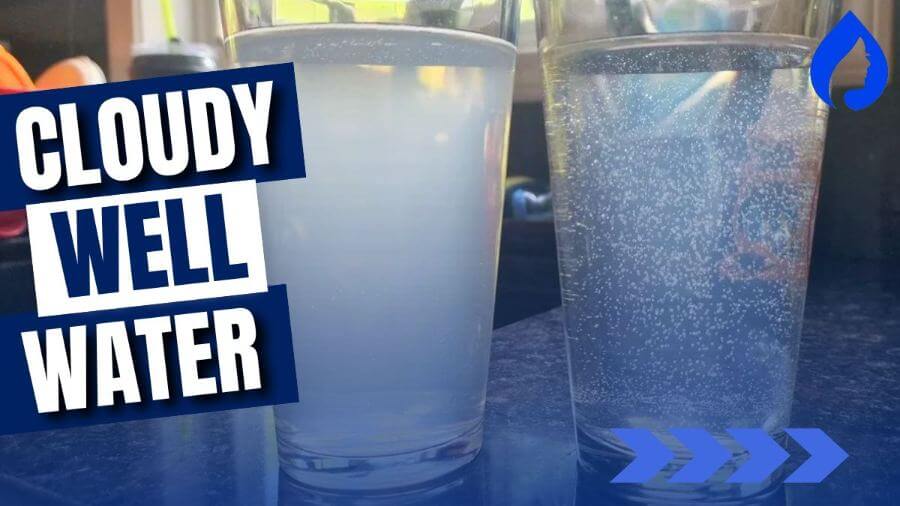
This usually means hard water. Hard water is packed with minerals like calcium and magnesium. They’re not dangerous—they’re actually good for you in small doses.
But those minerals can make water look cloudy, especially when they combine with soap or heat. It’s like a mineral rave happening in your glass.
You might also notice white flakes floating around. Those are harmless calcium deposits. They look gross, sure, but they’re just nature’s sparkles.
 I Have Cloudy Well Water! (5 Reasons Why)
If this bugs you, a simple water filter can fix it. Or, you know, embrace the rustic, cave-dweller aesthetic. Your call.
The Plumbing Plot Twist
Sometimes, the culprit is your own pipes. If your water heater is old or set too high, it can create sediment that shakes loose.
Also, if you’ve recently had plumbing work done, air and debris get trapped. Give it a day or two. Usually, it flushes out on its own.
But if the cloudiness is yellow, brown, or green, stop drinking immediately. That’s not a cloud; that’s a warning sign. Rust, algae, or pipe corrosion is probably the guest.
Winter Water Weirdness
Notice this happens more in cold months? That’s because cold water holds more dissolved air than warm water. Science, baby!
When that icy water warms up in your warm house, the air comes rushing out. It’s like the water is exhaling. Think of it as your tap having a little seasonal yawn.
This is completely normal. Your water isn’t mad at you. It’s just adjusting to room temperature. How polite.
 Why Is My Tap Water Cloudy And Is It Safe To Drink Simple Test Methods
Should You Panic? The Quick Check
Here’s your three-step panic meter. Step one: pour a glass and let it rest. Clears up in 30 seconds? You’re fine.
Step two: smell it. Does it smell like bleach or a swimming pool? That’s chlorine, which is added on purpose. Let it sit out for an hour, and the smell vanishes.
Step three: if it smells like rotten eggs or metal, call someone. That’s sulfur or rust. Not a party you want at your faucet.
The Real Answer: Probably Nothing
Look, I get it. You stare at your water, and your brain goes, “Is this alive?” But for the vast majority of cases, cloudy water is just air and minerals having a good time.
Your city water treatment plant tests that stuff constantly. They’re nerds about it. They want your water to be boring and safe.
So next time you see that foggy glass, just laugh. Say, “Nice try, bubbles.” Then drink it. You’re tougher than a few tiny air pockets.
And if you’re still worried? Grab a filter pitcher. Or boil it. Or just buy sparkling water and pretend it’s intentional. Fancy.
Bottom line: your water is probably fine. Your fridge isn’t haunted. And you can put away the hazmat suit. Cheers.
