What Does Hard Water Mean

So, you’ve heard the term hard water tossed around, right? Maybe your friend complained about it while scrubbing a cloudy glass. Or you Googled "why does my soap refuse to lat...

So, you’ve heard the term hard water tossed around, right? Maybe your friend complained about it while scrubbing a cloudy glass. Or you Googled "why does my soap refuse to lather?" and here you are. Let’s chat about it like normal people, without getting all chemistry-nerd on you.
What even is hard water?
Imagine your tap water went to a mineral spa and came back way too refreshed. That’s hard water in a nutshell. It’s simply water that picked up extra calcium and magnesium as it journeyed through the ground, through rocks, and into your pipes.
It’s not dirty or dangerous. It’s totally safe to drink, I promise. But it’s a bit like that friend who means well but leaves a mess everywhere they go.
Must Read
Think of soft water as the chill, easygoing version. Hard water is the high-maintenance cousin who needs special soap and leaves spots on everything. Fun, right?
Why does it feel so weird on your skin?
Ever step out of the shower and feel like you’re coated in invisible glue? That’s hard water refusing to rinse off your soap completely. It leaves a thin film of mineral-soap scum on your skin.
Your skin gets dry and itchy. Your hair? Flat and dull, like it gave up. The minerals basically block your shampoo from doing its job. You’re not dirty – the water is just stubborn.
If you’ve ever used a hotel shower and thought, "Wow, my hair feels amazing," you probably tasted soft water for the first time. It’s a revelation. You’ll want to move in.
The sneaky damage to your home
Hard water isn’t just a personal nuisance. It’s a tiny, mineral-based saboteur. It builds up inside your pipes, your water heater, and your coffee maker.
That white, crusty stuff on your faucet? That’s limescale, and it’s like concrete for your appliances. It clogs showerheads, shortens the life of your washing machine, and makes your kettle sound angry.
You know that feeling when you wash dishes and they come out looking like they have permanent water spots? Yep, hard water. It’s not you – it’s the calcium playing a game of "who can make the glass look dirtiest."
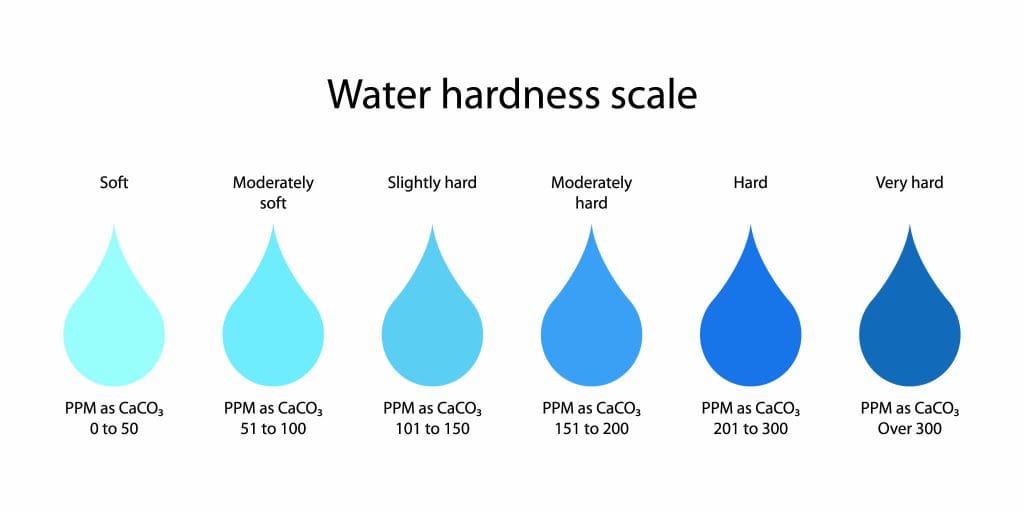 How To Tell If You Have Hard vs Soft Water: Differences Explained
Soap: the ultimate victim
Hard water and soap are mortal enemies. Soap tries to lather, and hard water goes, "Nope, not today." You end up using twice as much soap for half the bubbles.
You know that gross ring in your bathtub? That’s soap scum, which is basically soap mixed with hard water minerals. It’s a sticky, gray horror show. Your cleaning products work harder, and you get less done.
I’ve seen people pour entire bottles of laundry detergent down the drain, wondering why their clothes feel stiff. It’s not a detergent problem. The water just won’t cooperate.
But is it actually bad for you?
Here’s the good news: hard water won’t hurt your health. In fact, those extra minerals are technically good for your bones. You’re basically drinking a very weak, slightly crunchy version of mineral water.
Does it taste different? A little, maybe. Some say it has a "minerally" edge, like licking a penny. But most people get used to it and don’t notice. Your pipes notice, though. Oh, they notice.
But don’t worry about kidney stones or anything scary. The amount of calcium is tiny. You’d have to drink gallons of the stuff to have a problem. Your biggest risk is a grumpy coffee maker.
How do you know if you have it?
Look around your house. Are your faucets covered in white crust? Does your soap barely suds up? Do your clothes look faded after a few washes? You probably have hard water.
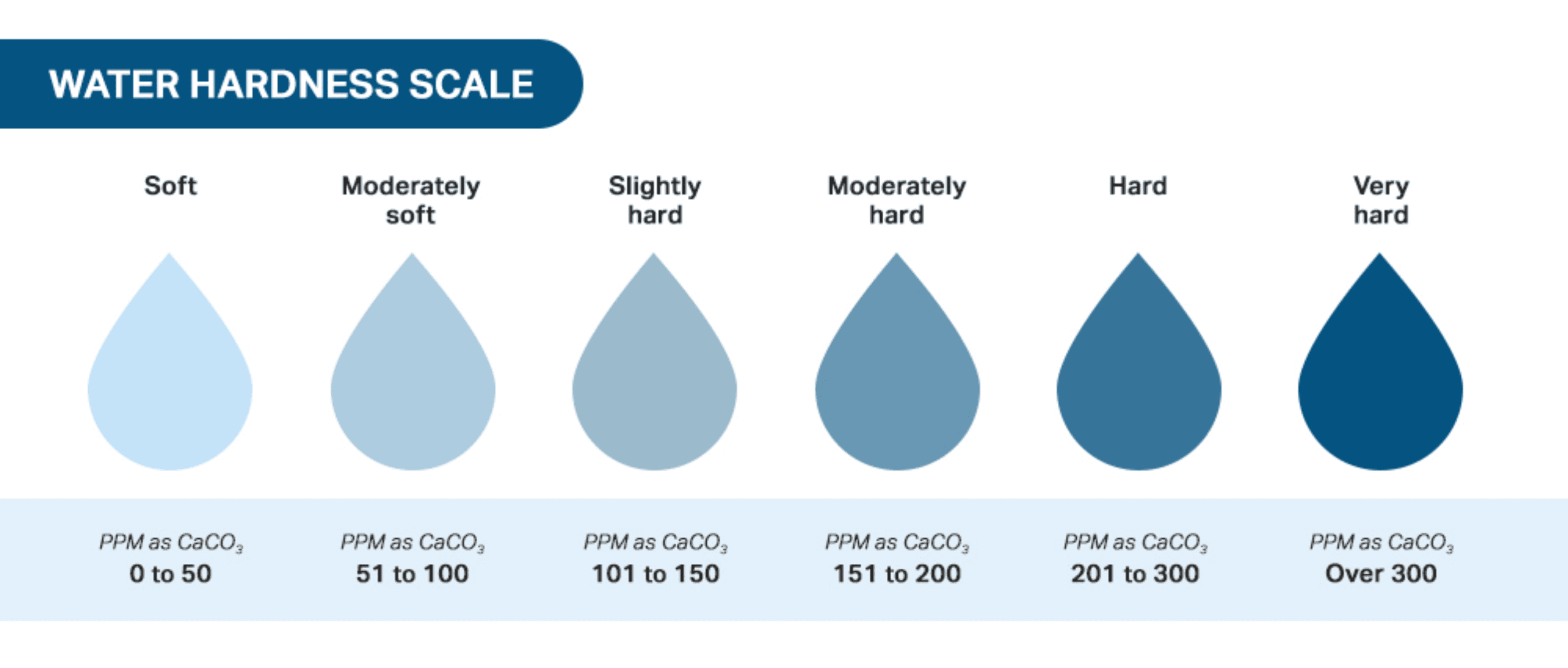 What is Hard Water & How to Get Rid of It
Another clue: if you have to clean your shower doors weekly just to see through them, that’s a sign. Also, if your skin always feels tight after a wash, invite hard water to the blame party.
You can buy a simple test kit at the hardware store for like ten bucks. Or just ask your neighbors. If everyone has the same crusty faucets, the answer is yes. Welcome to the club.
Is there a fix? (Spoiler: yes)
You don’t have to suffer forever. The easiest fix is a water softener. It’s a machine that swaps those hard minerals for sodium or potassium. Boom: soft water, happy hair, no spots.
But those can be pricey and need salt. Or you can use a descaling product in your kettle and coffee maker every month. That helps keep the limescale from taking over your kitchen.
For laundry, try a water softener additive. For showering, a chelating shampoo can help strip the mineral buildup from your hair. It’s like a detox for your scalp.
Honestly, you could also just embrace the chaos. Learn to love the spots. Call the white crust "mineral art." But if you value your sanity, a water softener is a game-changer. Your coffee will thank you. Your skin will thank you. Even your dishwasher will whisper a quiet "finally."
So, what does hard water mean? It means you’re part of a very large, very spotty, slightly squeaky-clean family. Welcome. We have towels that never feel fully dry, and we’re fine with that. Mostly.
